Your gift supports science in your community.
About Appalachian Laboratory
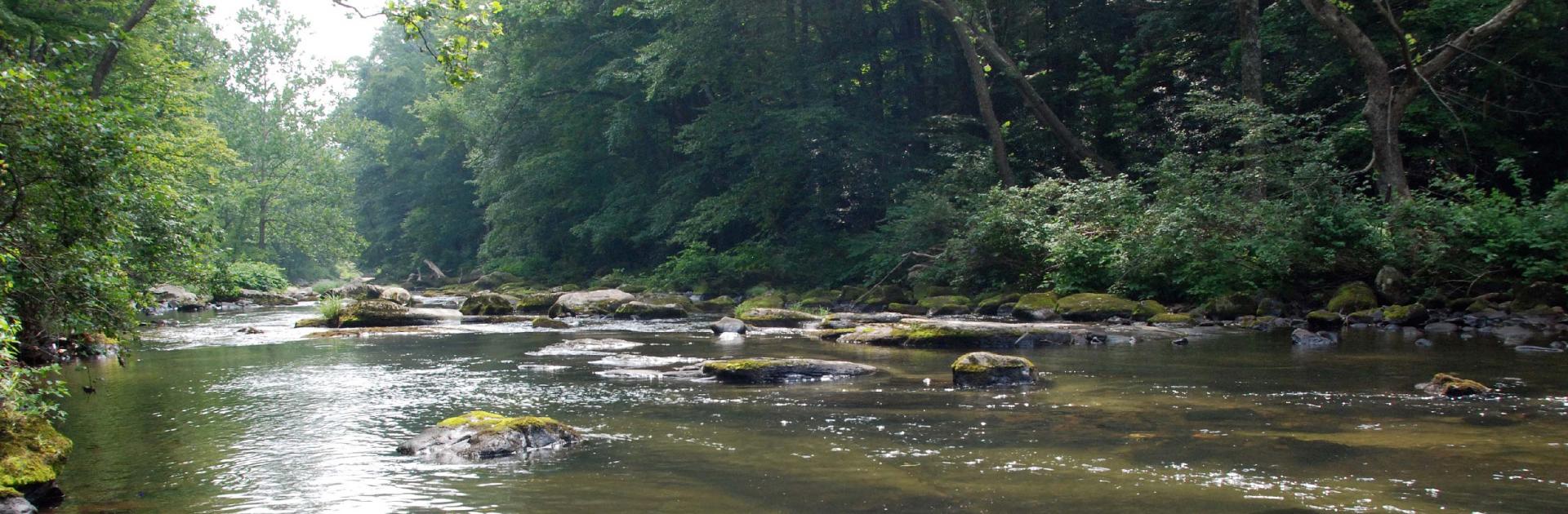
From the headwaters of the Chesapeake Bay, scientists conduct research on terrestrial and aquatic ecosystems in many parts of the world, with an emphasis on the rich and diverse environments of Western Maryland and the broader Appalachian region. Founded in Frostburg in 1962, Appalachian Laboratory scientists advise state, national and international leaders on air and water quality, wildlife management, forest and agricultural management, and biodiversity conservation, while also training and engaging tomorrow’s researchers and environmental stewards through advanced degree offerings, citizen science initiatives, and K-12 curriculum development.
Contact Information
Address:
301 Braddock Road
Frostburg, MD 21532
United StatesPhone Number:
301-689-7100

Xin Zhang recognized by USM Board of Regents for outstanding research in sustainability and nutrient management in global agriculture
View Content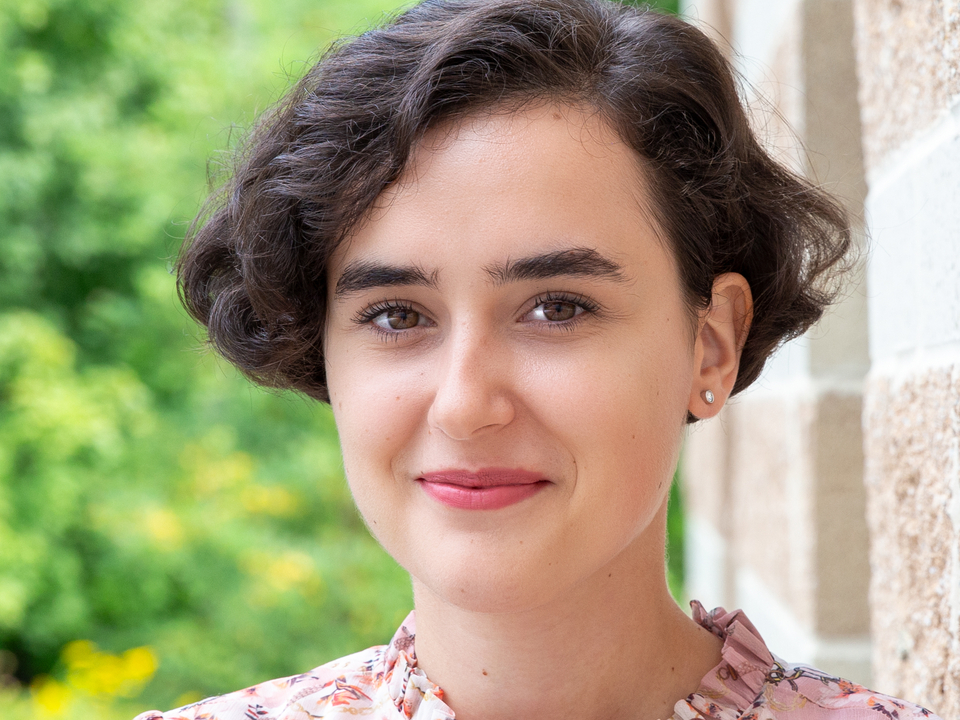
Fulbright Visiting Student joins Appalachian Laboratory
View Content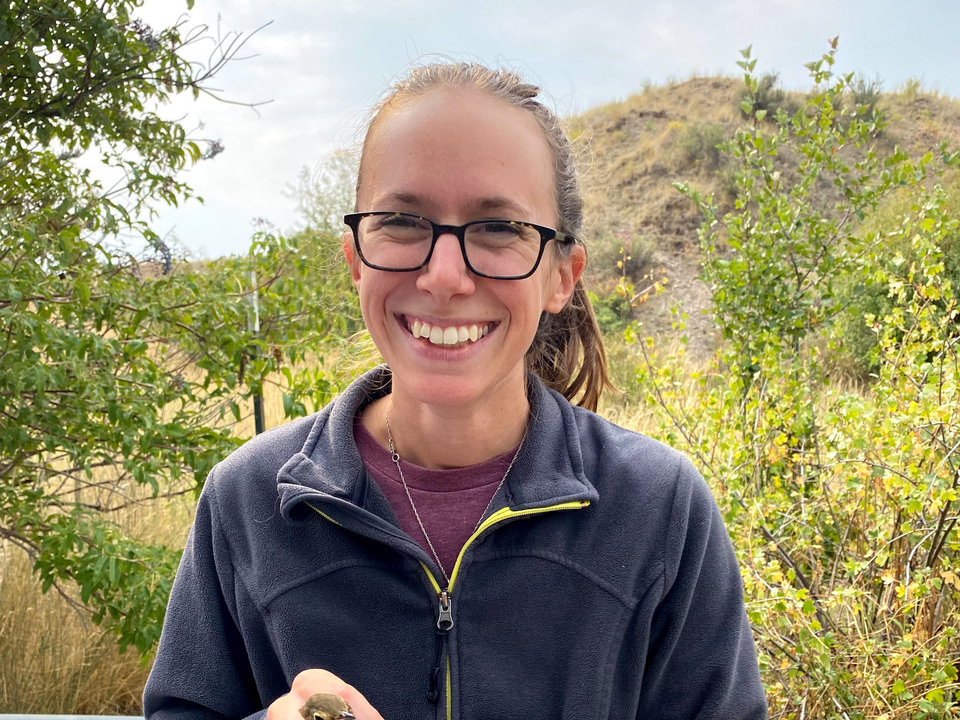
DeSimone selected for NSF Postdoctoral Research Fellowship
View Content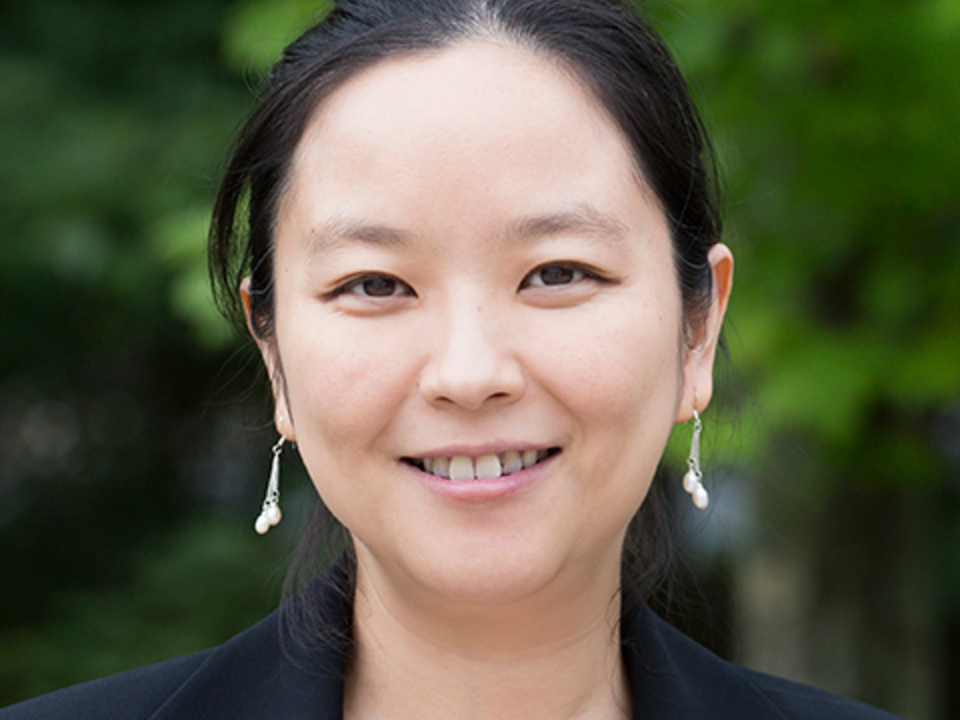
Xin Zhang receives NSF CAREER Award
View Content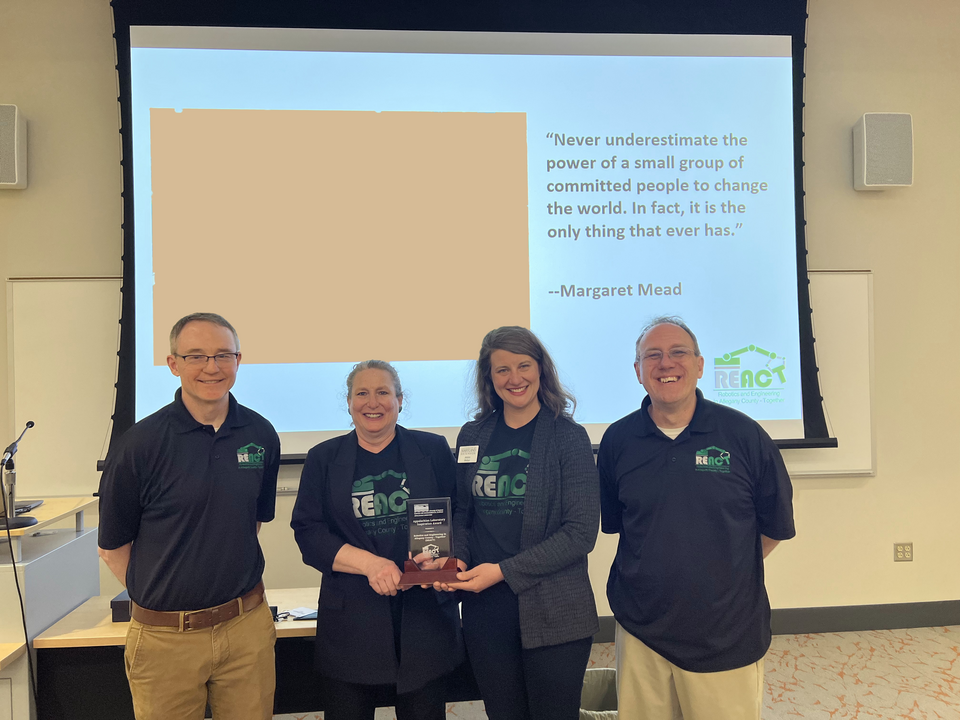
REACT Wins First Appalachian Laboratory Inspiration Award
View Content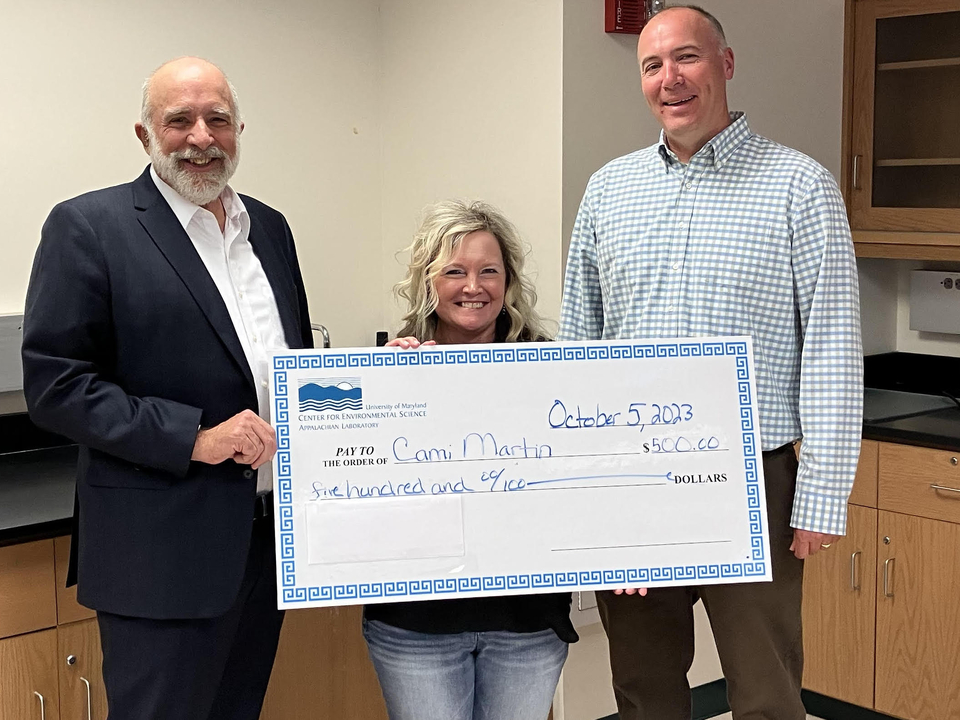
Cami Martin recognized with UMCES Staff Excellence Award
View Content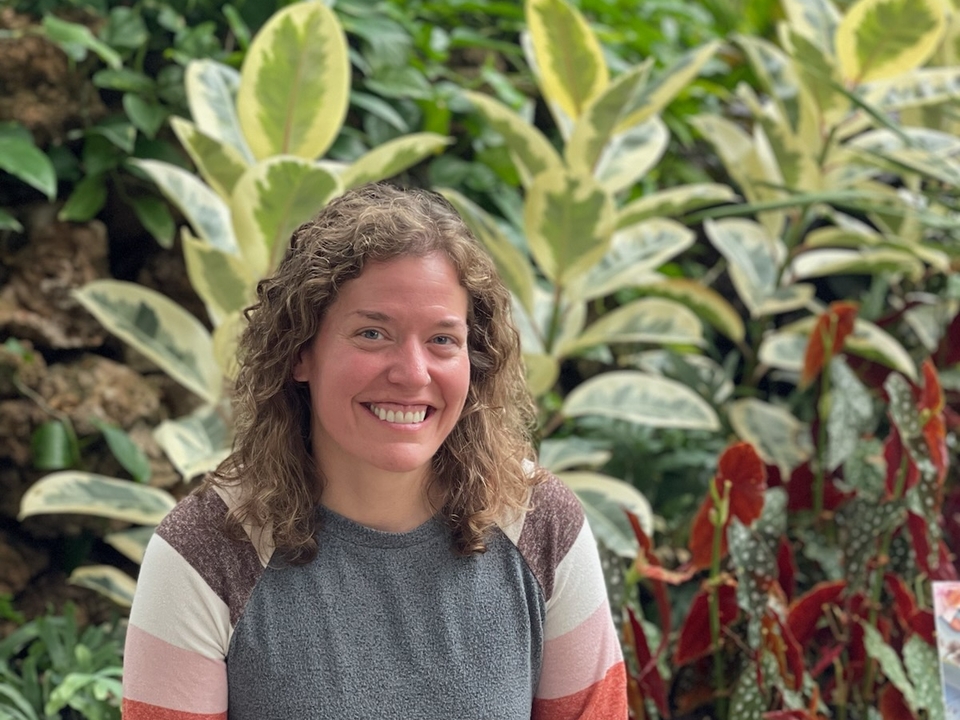
Annie Stark named 2023 Richard A. Johnson Environmental Education Award Winner
View Content