University of MarylandCenter for Environmental Science
Guiding our state, nation, and world toward a more sustainable future.
The University of Maryland Center for Environmental Science leads the way toward better management of Maryland’s natural resources and the protection and restoration of the Chesapeake Bay. From a network of laboratories located across the state, our scientists provide sound advice to help state and national leaders manage the environment and prepare future scientists to meet the global challenges of the 21st century.
Research Highlights
Chesapeake Bay's role in greenhouse gas release and capture
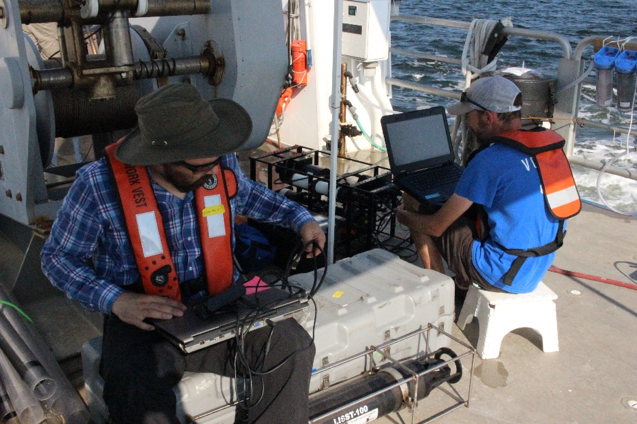
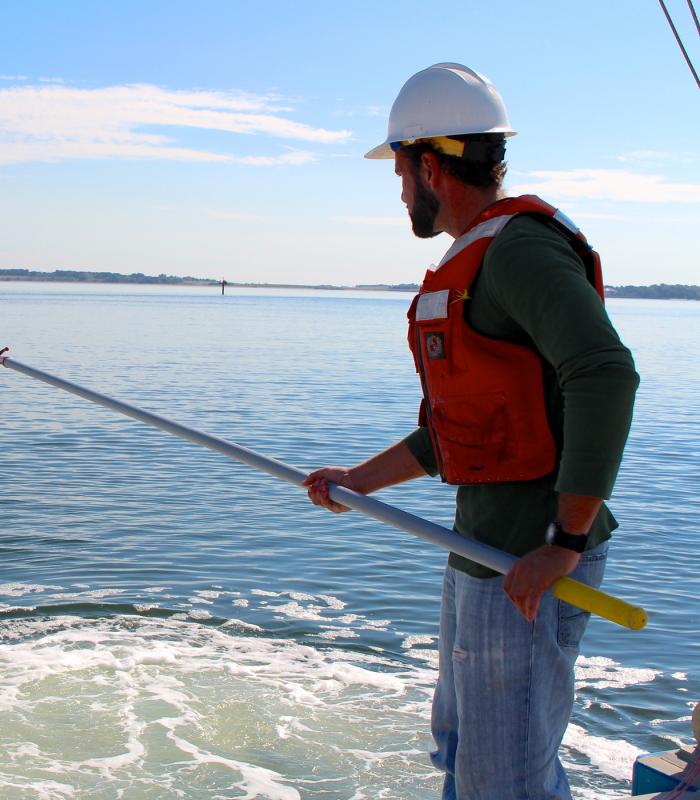
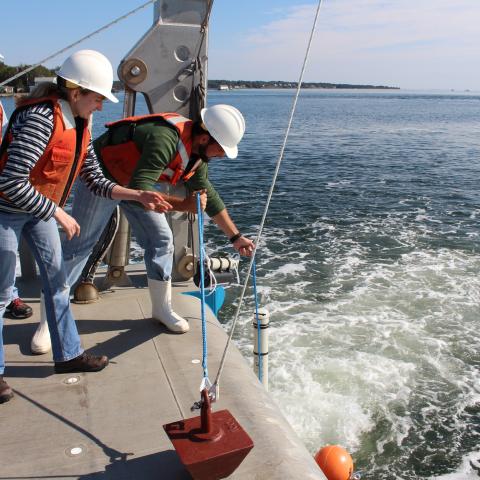
A team of scientists from UMCES spent several days aboard the Chesapeake Bay research vessel Rachel Carson collecting DNA from the Chesapeake Bay. Their goal was to understand how much the Chesapeake Bay is a source of greenhouse gases to atmosphere versus a sink, or container, and how it impacts the Earth’s changing climate.
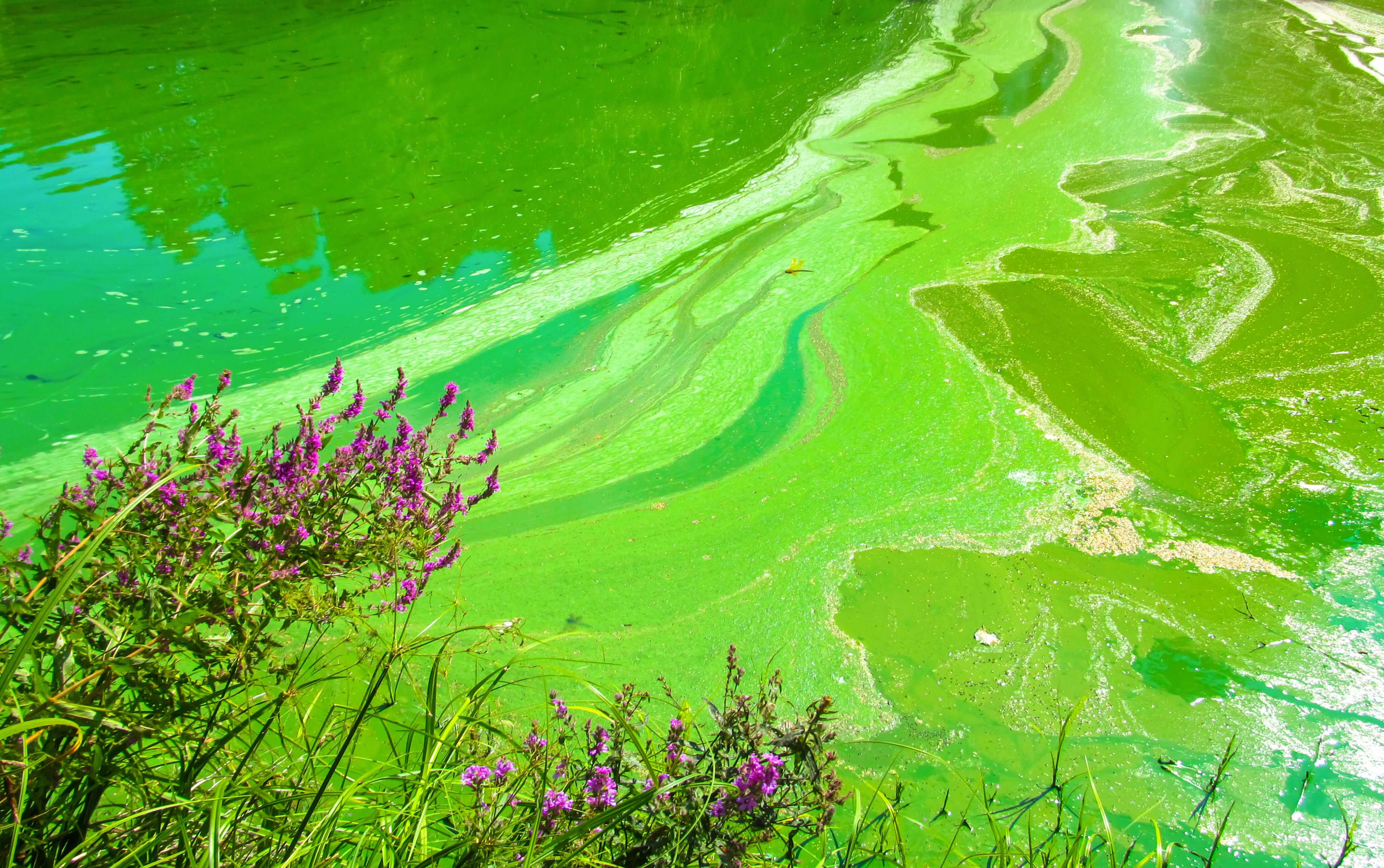
Every drop of water from a body of water is full of algae. Most of them are the beneficial. We need those algae because they are the base of the food web for all marine life. Unfortunately, a small fraction of that algal community can be harmful.
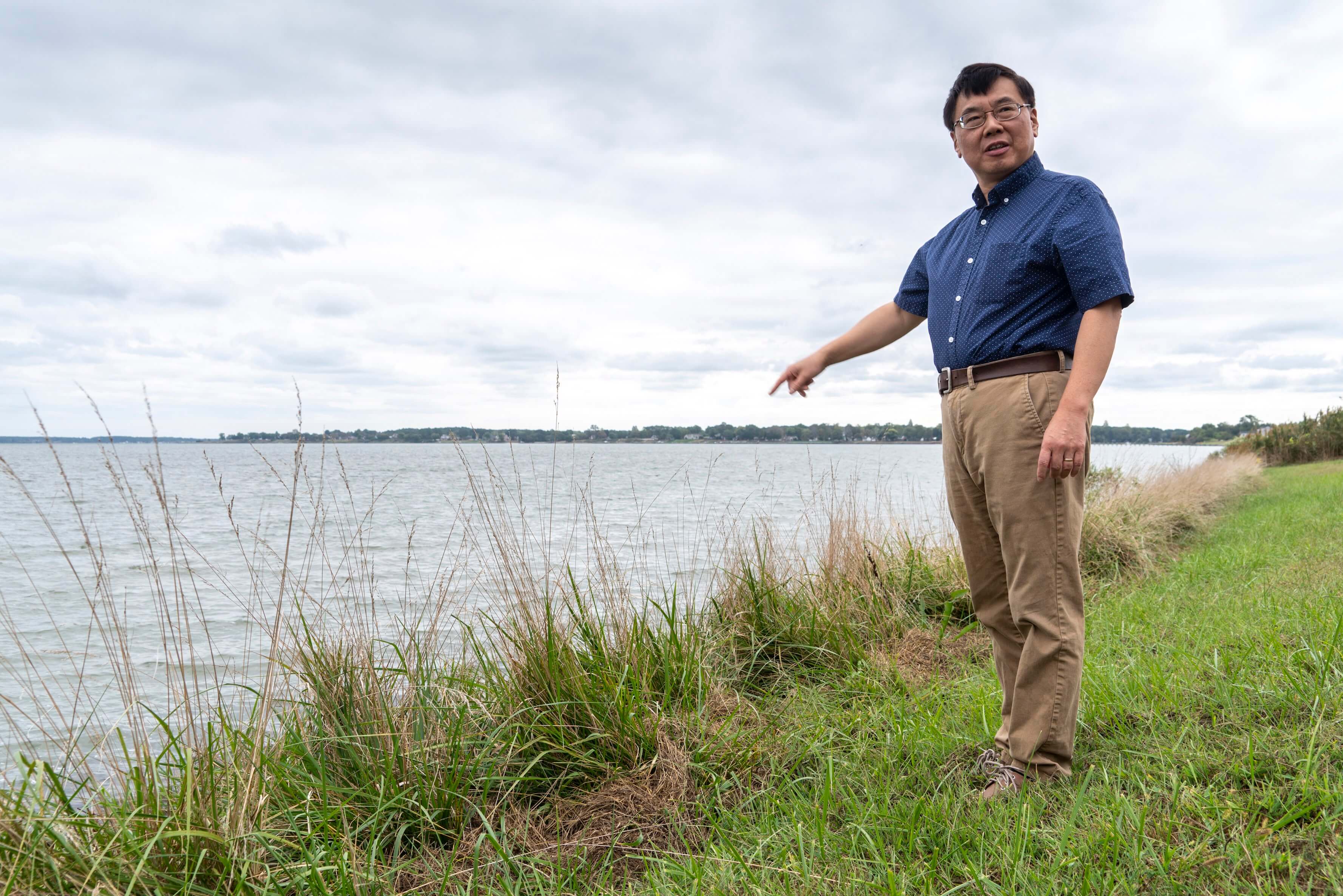
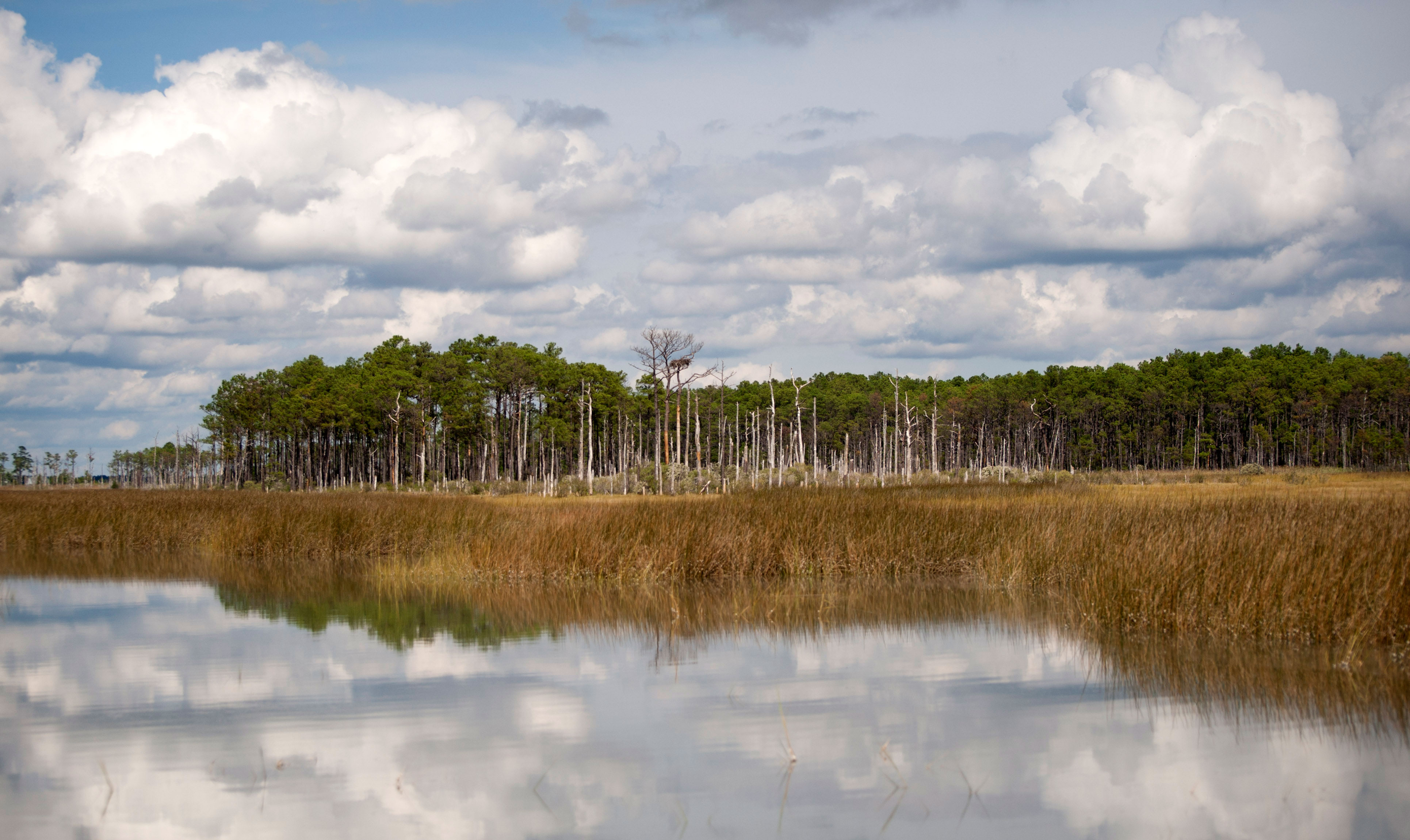
It is not an uncommon sight to see flooding from storm surges and high tides in some low-lying communities on the Eastern Shore of Maryland. With rising tidal ranges and threats of flooding from more intense storms, coastal communities are having to face harsh realities and decide on potential solutions to encroaching seas.
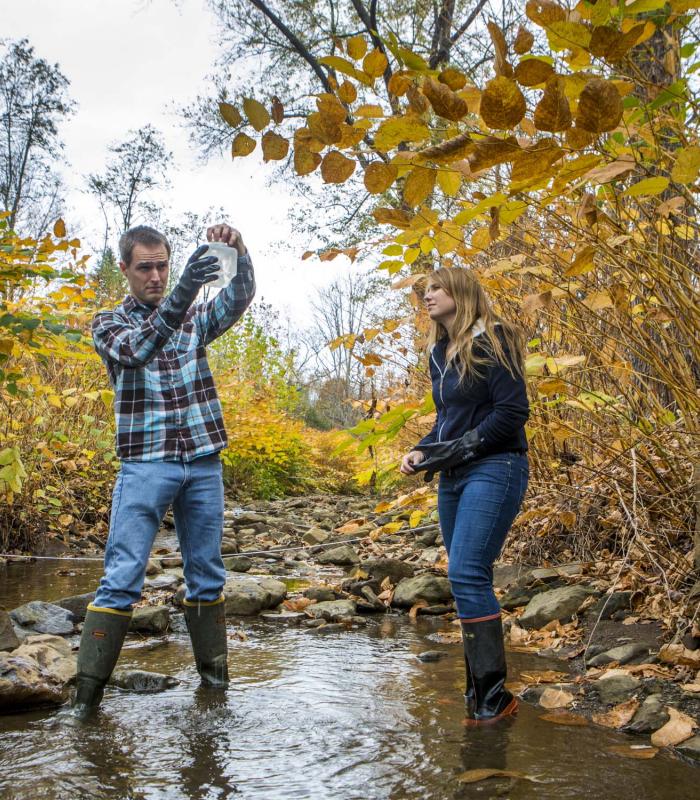
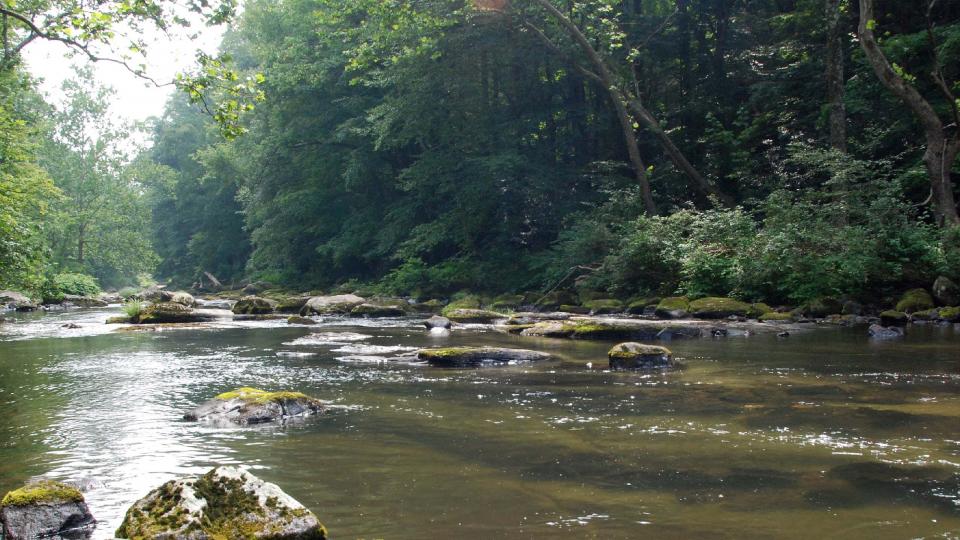
From the headwaters of the Chesapeake Bay, Appalachian Laboratory scientists conduct research on terrestrial and aquatic ecosystems throughout the world, with an emphasis on the rich and diverse environments of Western Maryland and the broader Appalachian region.
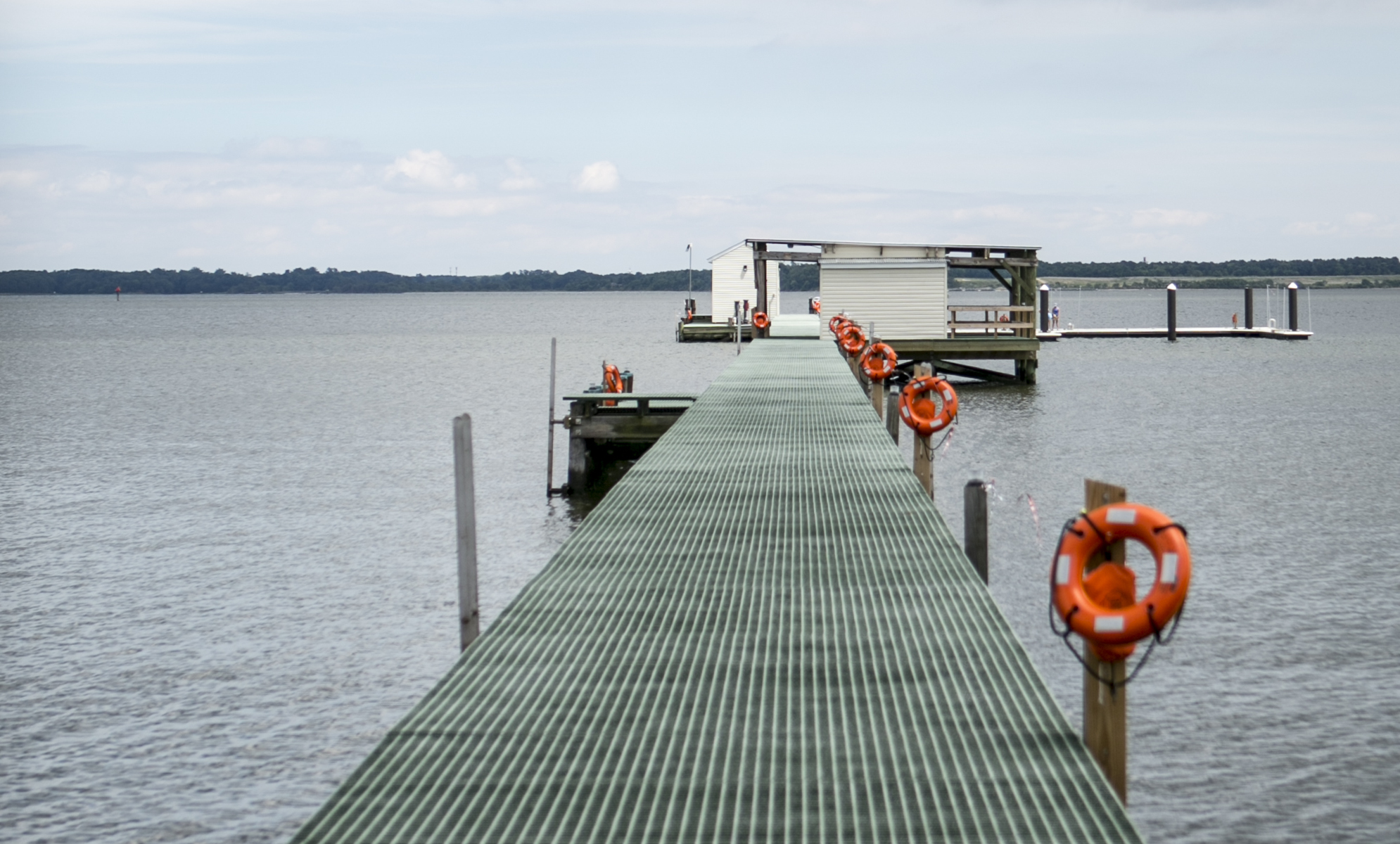
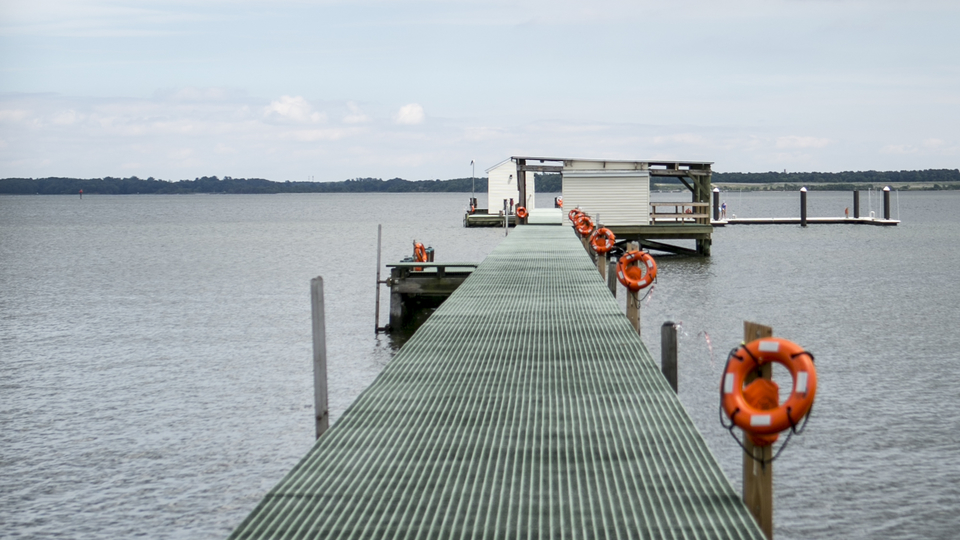
Located where the Patuxent River meets the Chesapeake Bay, the oldest publicly supported marine laboratory on the East Coast is a national leader in research on fisheries, estuarine ecology, environmental chemistry, and toxicology research of the Chesapeake Bay and aquatic ecosystem around the globe.
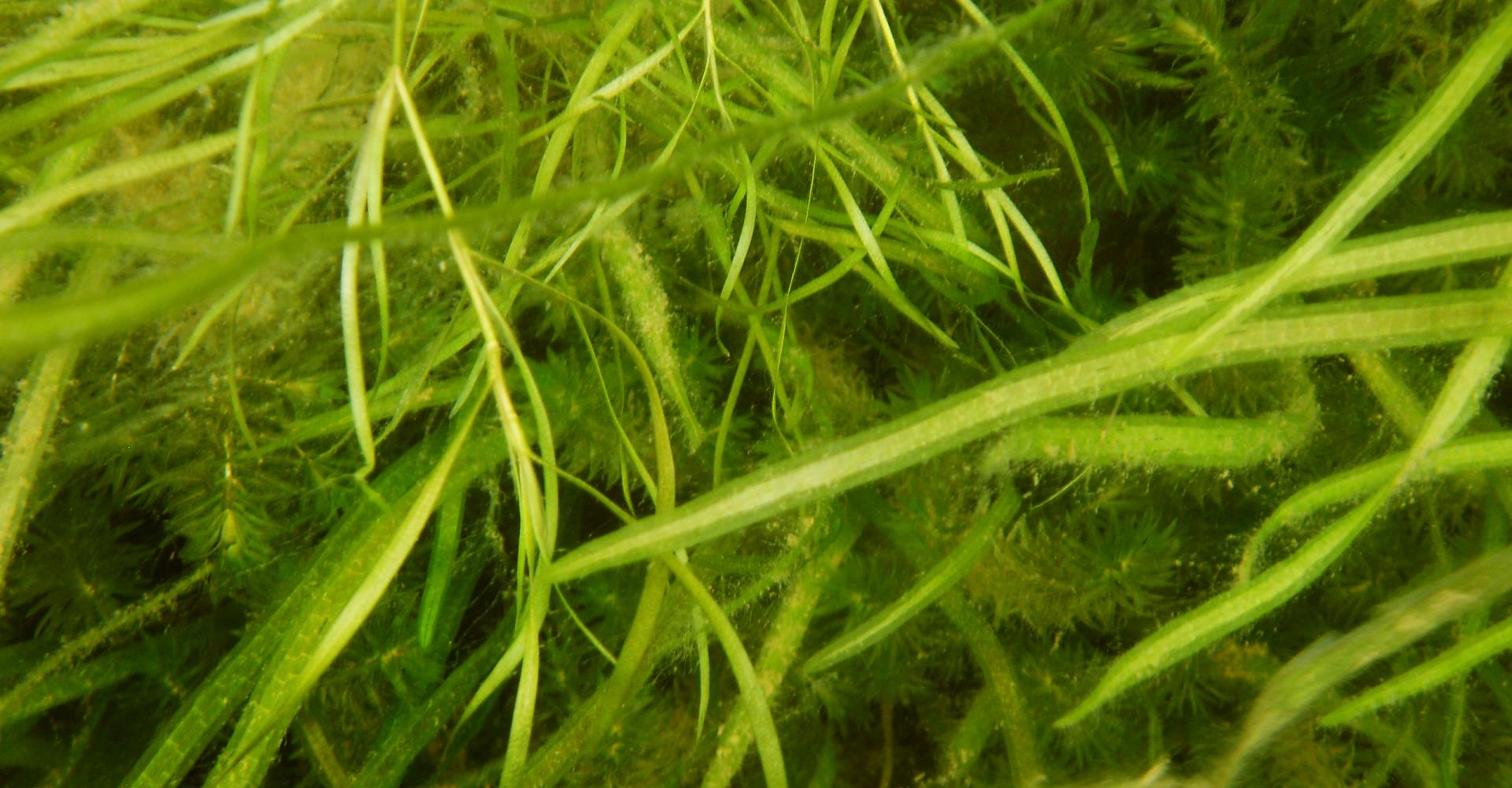
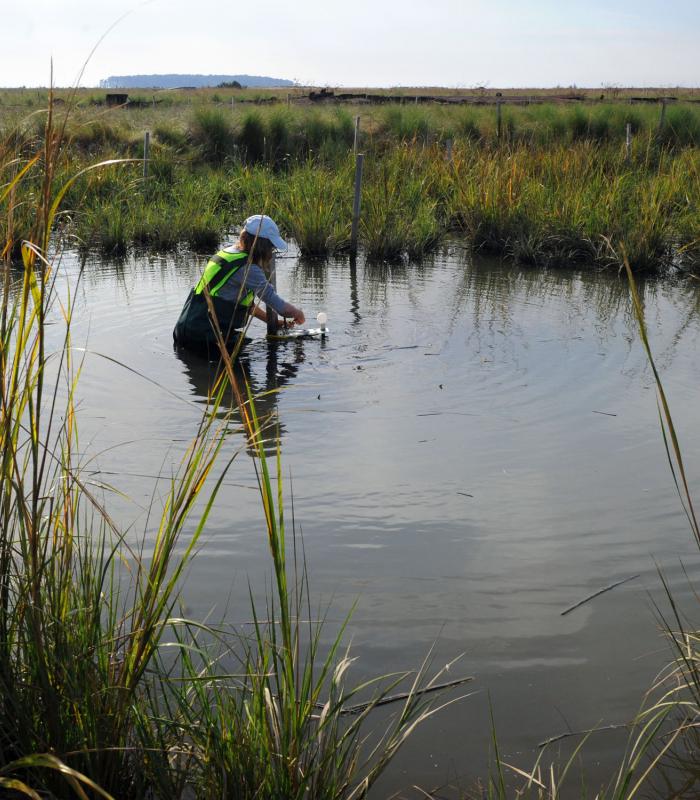
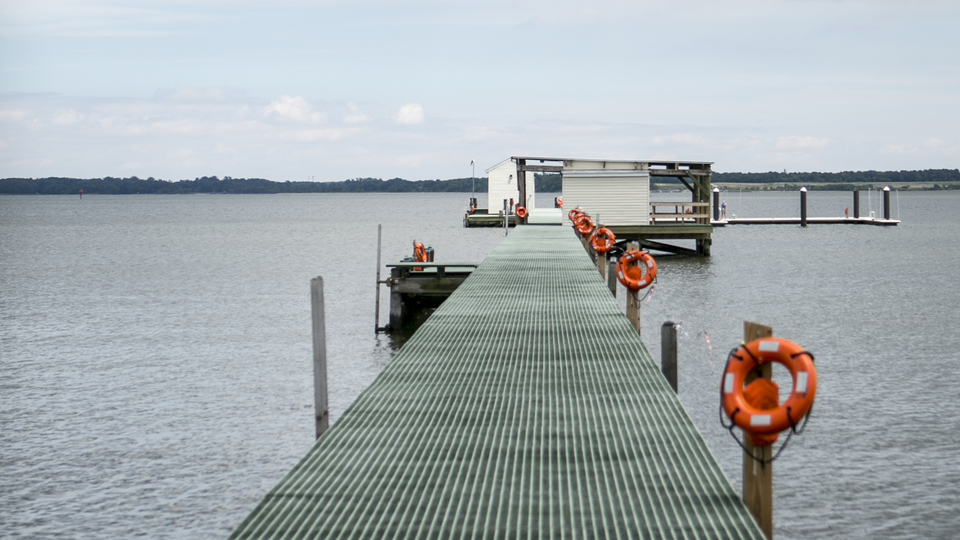
From the banks of the Choptank River on Maryland’s Eastern Shore, scientists engage in world-renowned research in oceanography, water quality, restoration of sea grasses, marshes and shellfish, and expertise in ecosystem modeling.
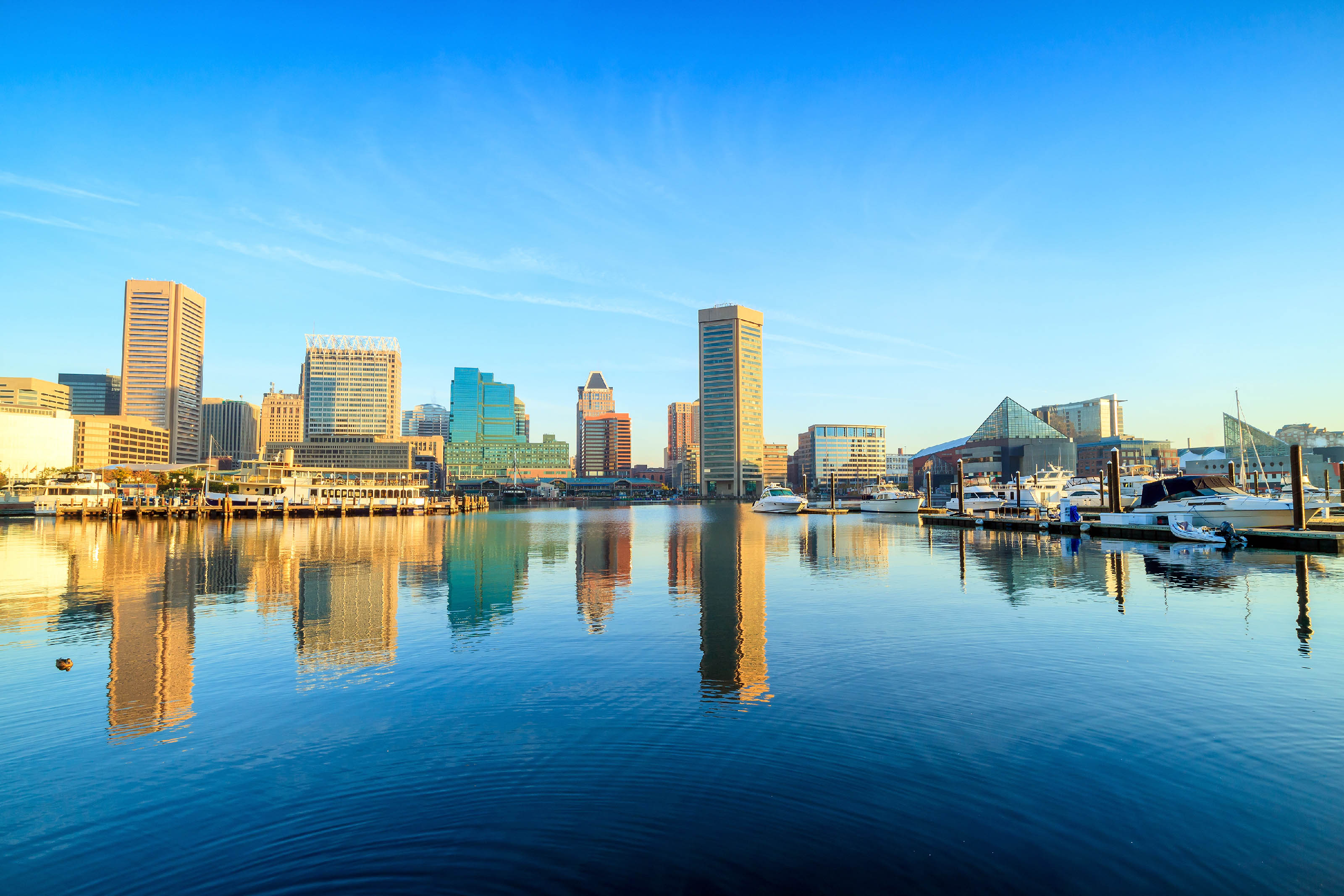
Located in Baltimore’s Inner Harbor, scientists pursue cutting-edge research in microbiology, molecular biology, and biotechnology, using marine microbes to develop alternative energy, and supporting sustainable aquaculture and fisheries.
Gain scientific training in addressing conservation issues, especially those pertaining to the persistence of native communities in a changing environment, landscape fragmentation, conservation/development conflicts, watershed assessment, and integrated resource management.
Students explore the movement and transformation of materials and energy between mountain headwater and estuarine, coastal, and oceanic systems. Topics include landscape dynamics, physical circulation and transport, chemical transformation, and biological reaction.
Spanning the Arctic to the Chesapeake Bay, students study a variety of topics, from landscape ecology to ecological genomics, to fisheries stock assessment. Research is focused on understanding the interactions between organisms and their environment, leading to valuable scientific discovery.
Integrating the social and environmental sciences, students will study concepts including coupled natural and human systems, cultural models of the environment, political ecology, participation and governance, ecological economics, and environmental ethics.
Students use current molecular approaches to study biodiversity, bioremediation, food chains, discovery of drugs and enzymes from marine microbes and macoorganisms, sustainable aquaculture, biofuels, biogeochemistry of carbon cycling, and genomics/metabolomics of marine organisms.
Developing scientists can pursue training in molecular and mechanistic toxicology and toxicology and environmental health, including mechanisms of cell injury, carcinogenesis, reproductive toxicology, neurotoxicology, aquatic toxicology, and environmental epidemiology and toxicology.
Learn to take the lead in this program that provides interactive, multifaceted education, and research training to present students a comprehensive education in molecular and cell biology, microbiology and immunology.
This program will prepare you for research and management positions within the public and private sectors. The program allows flexibility, yet offers courses necessary for certification as a biologist with various professional organizations.
In recognition of her outstanding contributions to science and education, University of Maryland Center for Environmental Science's Dr. Carys Mitchelmore has been awarded the 2026 Faculty Award for Excellence in Public Service by the USM Board of Regents.
A groundbreaking study by researchers at the University of Maryland Center for Environmental Science published in Nature Food demonstrates that livestock manure represents a largely underused domestic resource for improving agricultural resilience.