Toxicology Reports
2025
Carys Mitchelmore
Professor
Location
Chesapeake Biological Laboratory
Areas of Expertise
The detection of chemical contaminants in various environmental matrices and understanding their toxicity and implications to organism and ecosystem health.
Bio
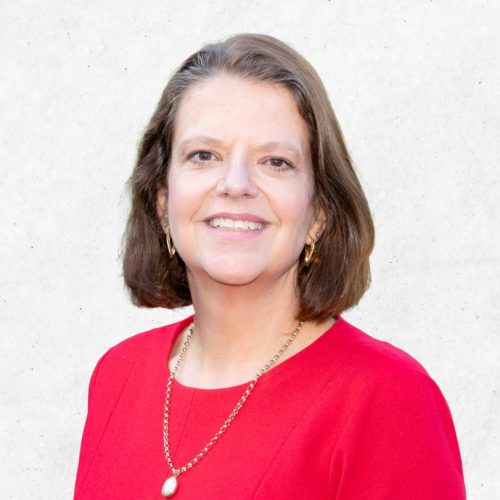
Dr. Carys L. Mitchelmore is a professor at the University of Maryland Center for Environmental Science’s Chesapeake Biological Laboratory in Solomons, Maryland. Her expertise in environmental health and toxicology spans fundamental and applied questions concerning the exposure, fate and effects of pollutants. Her research is directed towards the detection of chemical contaminants and understanding their toxicity and implications to ecosystem health for risk assessment, regulation, and management activities.
Dr. Mitchelmore has been building a framework of collaborative interdisciplinary research with NGOs, trade associations, and industrial partners to address societal concerns regarding the environmental risk of emerging personal care product chemicals, including sunscreen ingredient UV filters, especially to endangered and/or understudied species like corals. Her expertise in the impacts of oil and oil spill dispersants was called upon to provide research and expert advice regarding the 2010 Deepwater Horizon oil incident.
Dr. Mitchelmore is invested in integrating scientific research for management and regulatory communities and serves on numerous international and national science advisory groups as an environmental toxicologist, including five National Academies of Science, Engineering, and Medicine committees. She was involved in many advisory groups for the Deepwater Horizon Natural Resource Damage Assessment, provided a report estimating sea turtle losses, and continues to be involved in working groups concerning oil impacts in the environment. She has also provided testimony at Federal, State, and local hearings and served as an expert witness in courts on aquatic toxicity, hazard assessment, and environmental regulations and management.
Additionally, she is committed to educating the next generation of scientific leaders. She teaches numerous MEES graduate courses and previously was chair of the UMCES Policy, Course, Curriculum, and the Chesapeake Biological Laboratory’s graduate education committees, and serves on the MEES program committee.
Dr. Mitchelmore received a BSc (Hons) Biology and MSc Applied toxicology from the University of Portsmouth (U.K.), and her Ph.D. from the University of Birmingham (U.K.) in 1997 investigating the metabolism and toxicity of organic contaminants. Prior to joining CBL as an Assistant Professor in 2022 she held three postdoctoral positions at the Plymouth Marine Laboratory (U.K.), University of Kent at Canterbury (U.K.) and Oregon State University.
Education
Ph.D. Aquatic Toxicology (Biochemistry/Genetic toxicology foci). University of Birmingham, U.K. and Plymouth Marine Laboratory, U.K.
M.Sc. Applied Toxicology (Distinction and awarded GlaxoWelcome Fellowship). University of Portsmouth, U.K and GlaxoWelcome, Ware, U.K.
B.Sc. (Honors; First Class). Biology (major areas, Marine Biology and Applied Ecology). University of Portsmouth, U.K.
Graduate Program Foundation Areas
Regularly Offered Courses
- MEES 698I/498I Chesapeake Bay Health
- MEES 601 Applied Environmental Science
- MEES 743 Aquatic Toxicology
Mitchelmore leads the Wave of Plastic middle and elementary school program, that was initiated in 2018 by colleagues at UMCES in partnership with Maryland Science supervisors and teachers. The elementary school program consists of 4 multiple day lessons bringing in the concept of macroplastics, what they are, how to they move in the environment and how to they impact ecosystems and organisms. The middle school program delves deeper and is focused on microplastics consists of a complete 5-unit curriculum providing a Meaningful Watershed Educational Experience (MWEE) for students. All teacher and student handbooks plus lesson videos and resources are available on the UMCES wave of plastic website.
Mitchelmore co-leads the Anthropogenic Changes in Estuarine Systems (ACES) Center that focuses on detecting an understanding the fate and transport of emerging chemical contaminants in the environment, including those found in sewage or WWTP/septic effluents (pharmaceuticals, food additives), personal care and cleaning products and other inorganic and organic contaminants from household, agricultural and industrial use. For information please visit here.
Contact Information
Office Location:
Bernie Fowler Laboratory, Room 2102 (Office) 2115 (Lab)
Mailing Address:
Chesapeake Biological Laboratory,
146, Williams Street,
Solomons, MD 20688
146, Williams Street,
Solomons, MD 20688