Skip to content

History and Legacy

Today it is generally recognized that the sea is no longer a ‘barren vastness,’ but instead a fertile valley seething with life, in the main uncharted… Opportunities for applied science could barely be better elsewhere than in the Chesapeake Bay country.

Dr. Reginald V. Truitt, zoologist and founder of the Chesapeake Biological Laboratory, penned this quote in 1932 to justify the need for fisheries research in the Chesapeake Bay. A pioneer of environmental science in Maryland, Dr. Truitt was among the first to realize the Bay’s growing decline—and its potential for renewal with the assistance from humankind. His dedicated work and inspiring foresight gave rise to one of the world’s leading institutions for coastal studies.

The University of Maryland Center for Environmental Science (UMCES) traces its origins to the establishment of the Chesapeake Laboratory in 1925, the oldest state-supported marine laboratory in continuous operation on the East Coast.

Originally established to conduct scientific studies on Maryland’s natural resources, UMCES has become the scientific authority on the Chesapeake Bay and its watershed, and a leading institution for the advancement of scientific knowledge of the environment around the world.

Read a summary of UMCES historic highlights.

Accomplishments
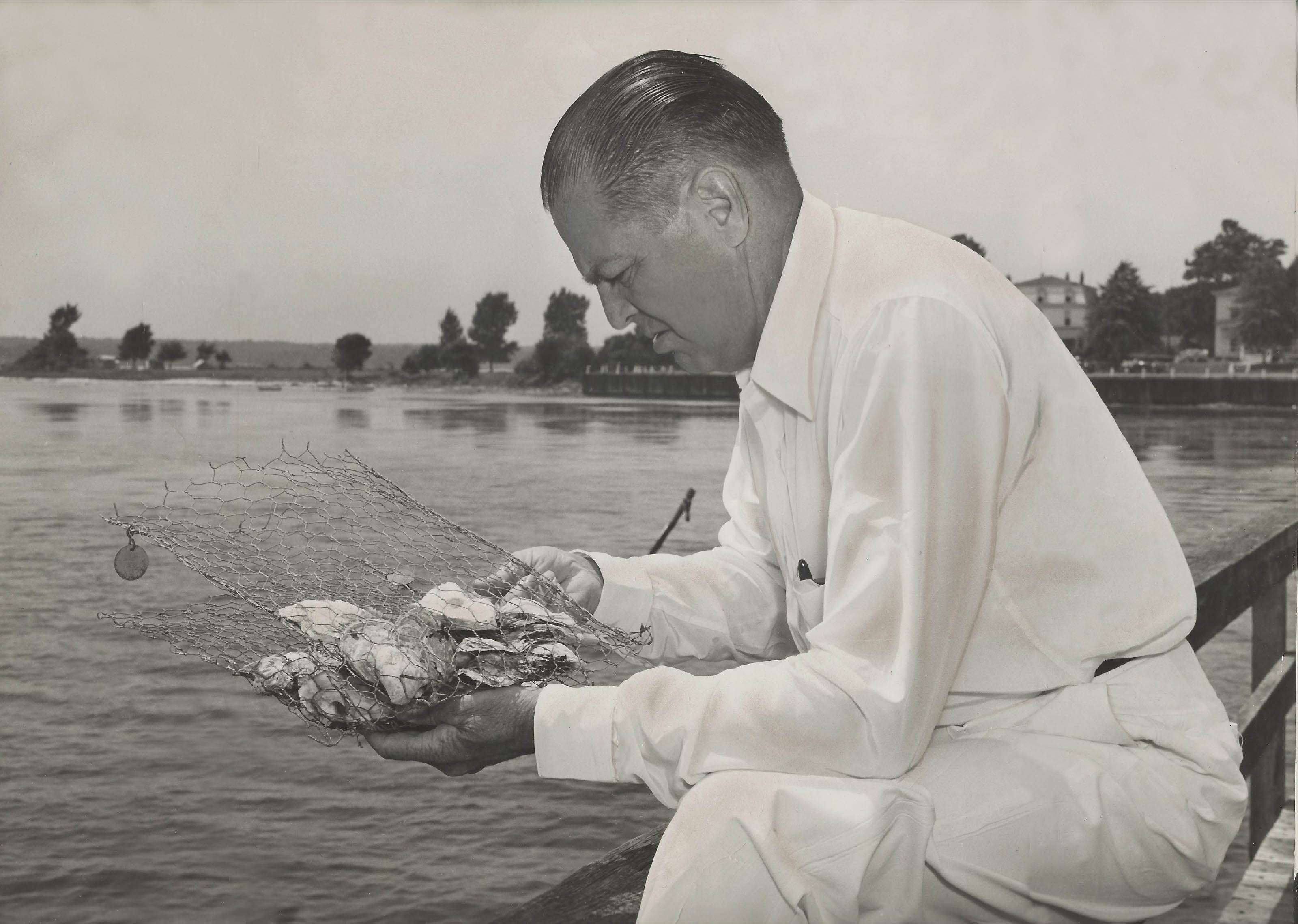
Truitt with oysters

Dr. Reginald Truitt was committed to understanding the cause of oyster decline in Chesapeake Bay.


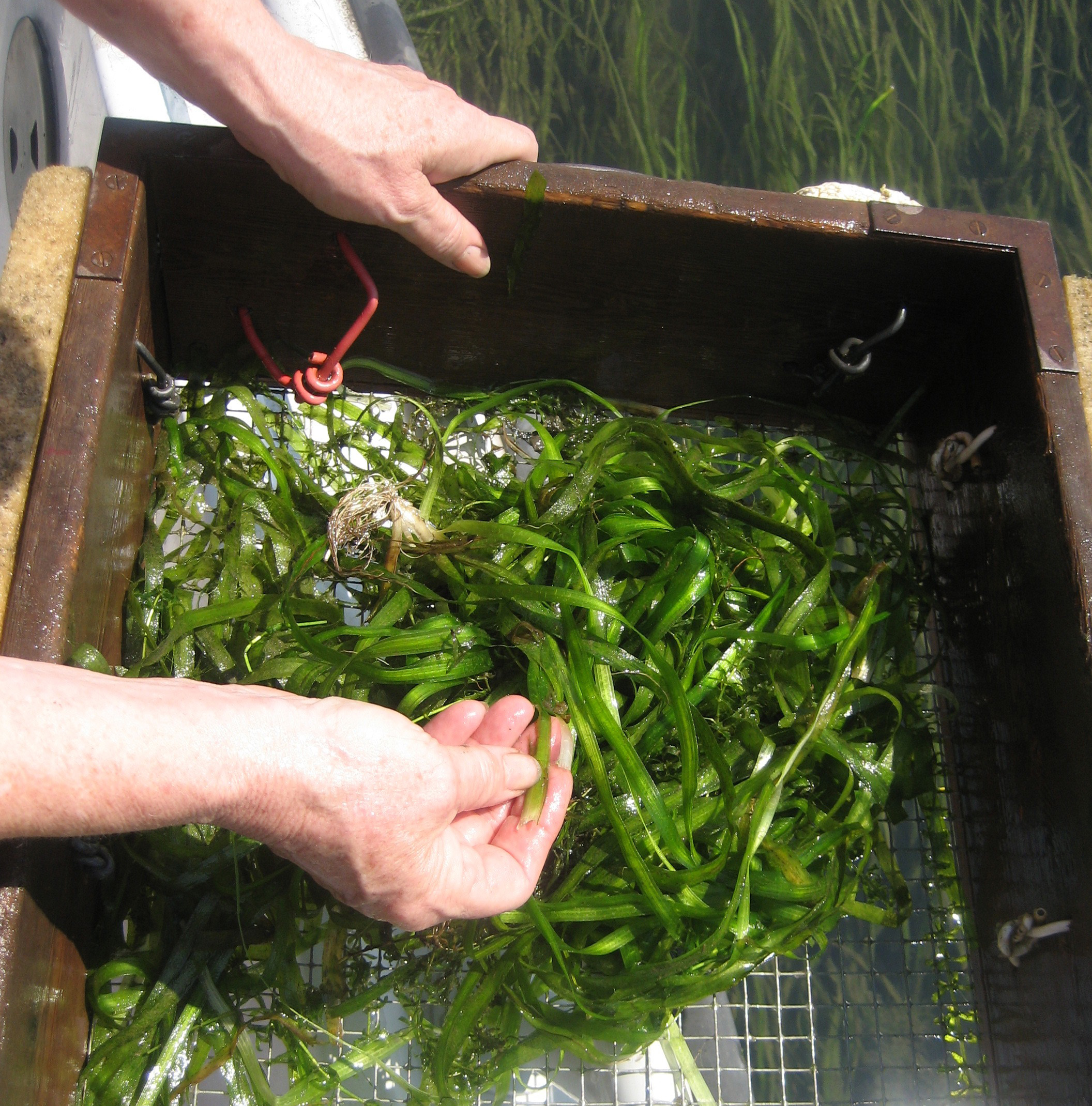
Seagrass

Nutrients pinpointed as the cause of seagrass decline, leading to multi-state commitment to reduce pollution.


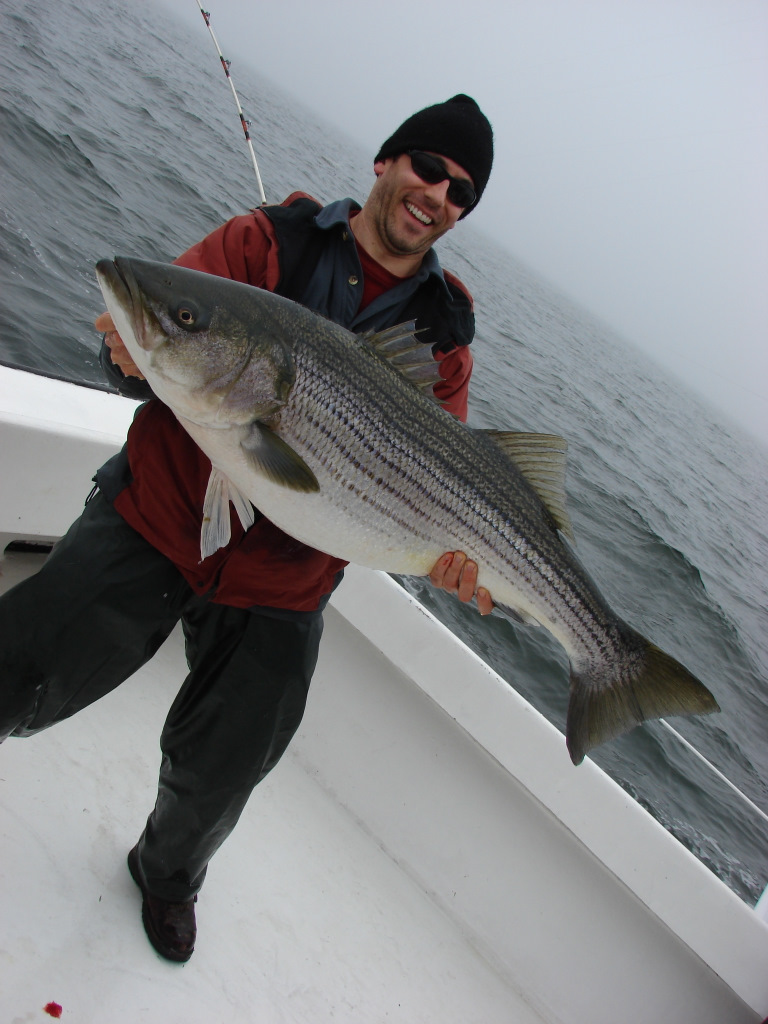
Rockfish

Factors influencing rockfish population identified, leading to comeback of Maryland’s favorite trophy fish.

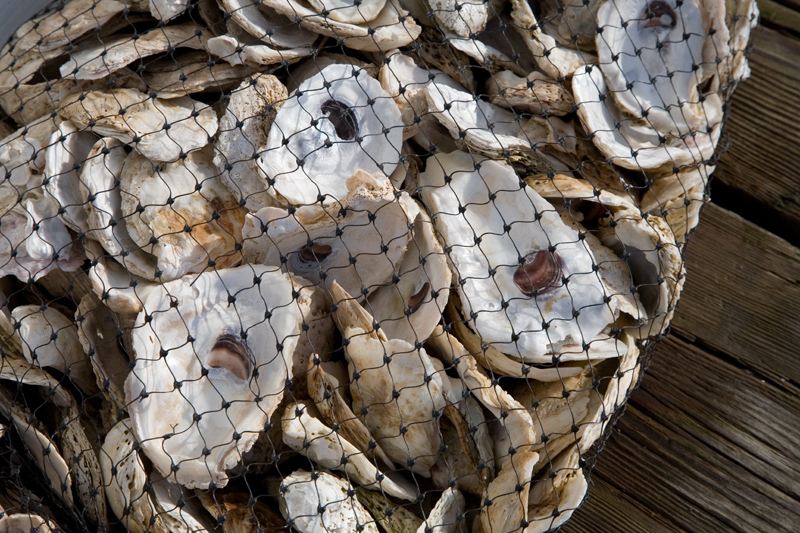
oysters

Advances at oyster cultivation facility lead to record-breaking numbers of spat-on-shell to help restore the Bay.


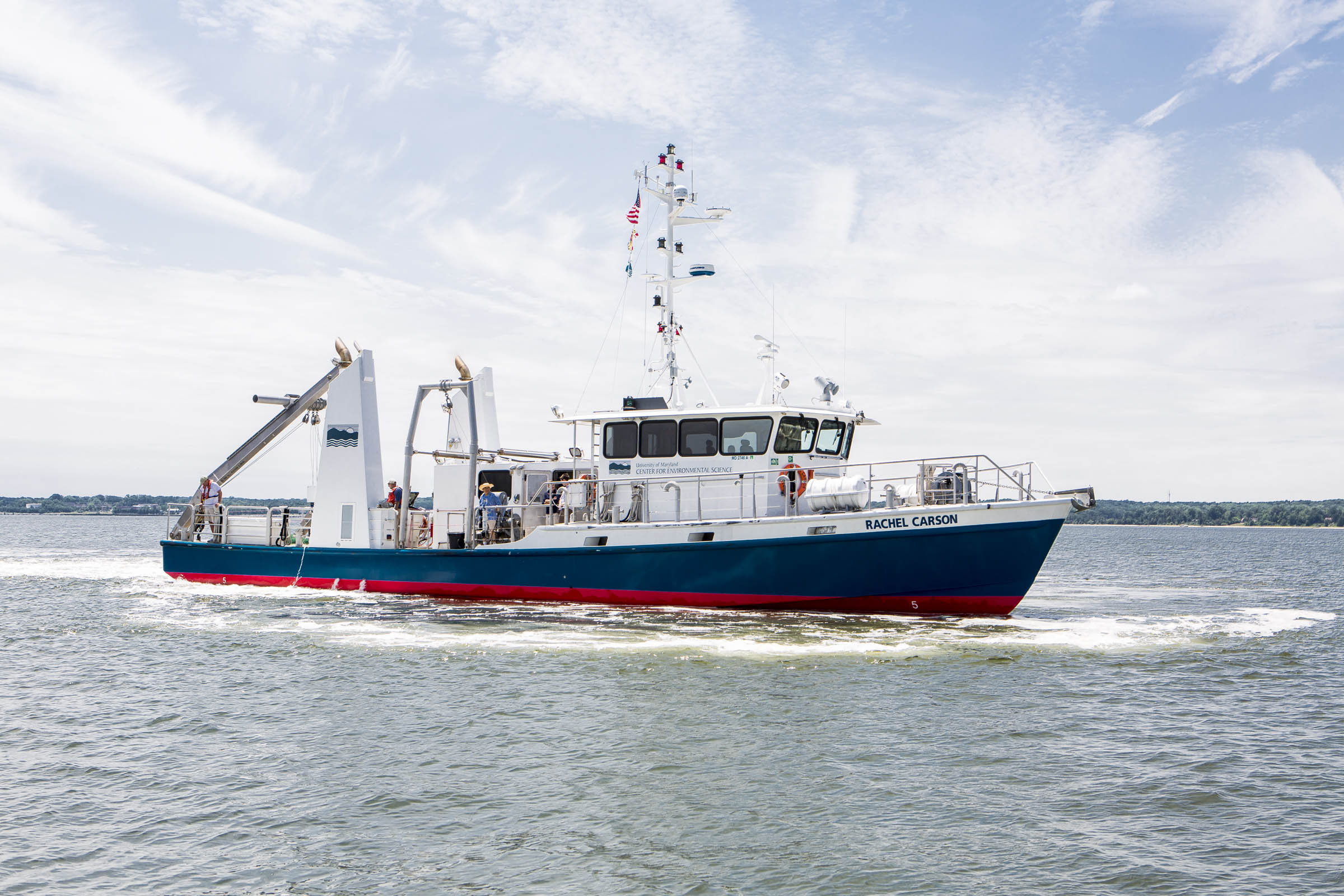
Rachel Carson

State-of- the-art research vessel Rachel Carson designed to monitor the Chesapeake Bay and its tidal rivers.


Crabs

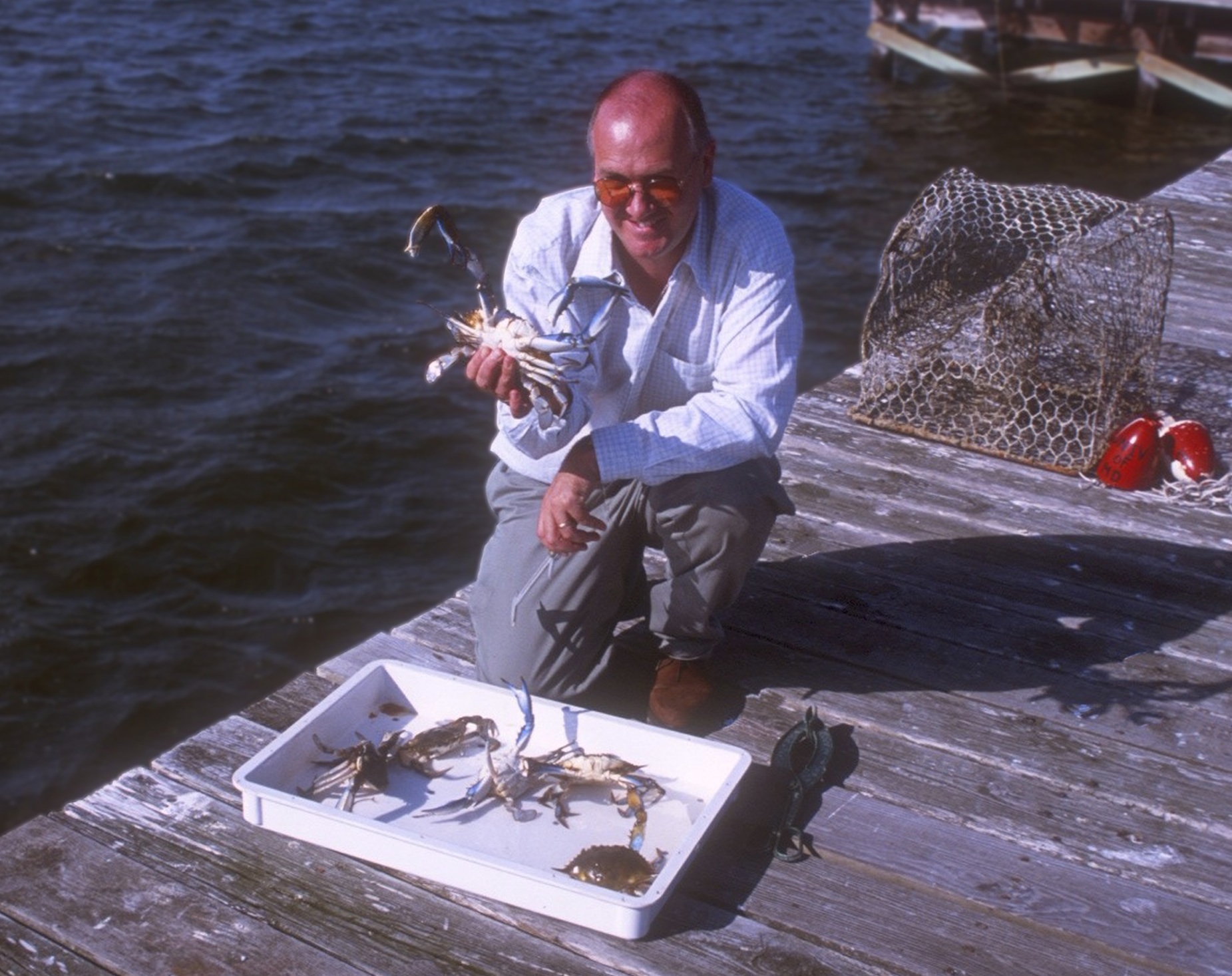
Advances in blue crab management lead to comeback of declining Maryland harvest.

graduate

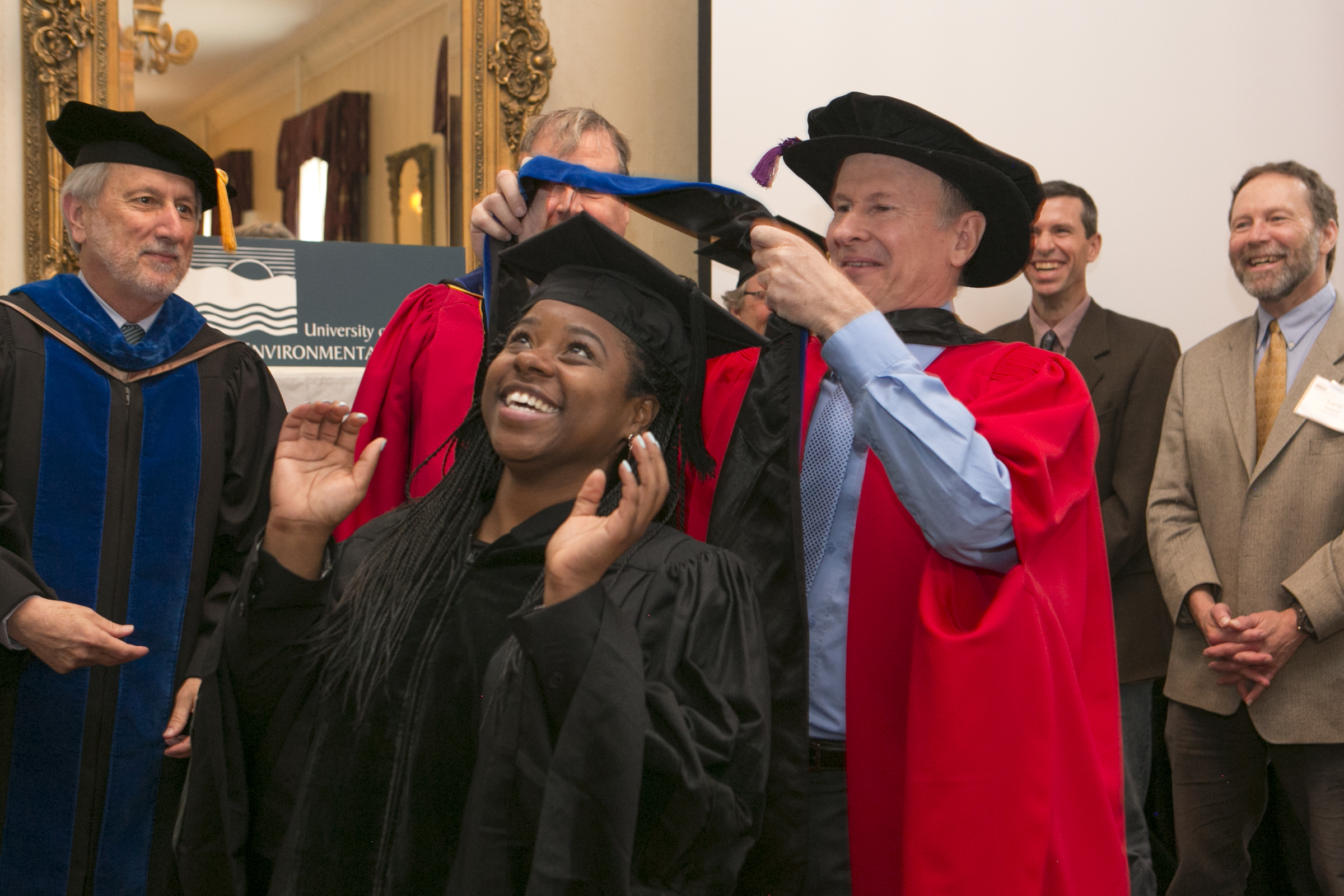
The next generation of scientific leaders receive training and joint degrees.


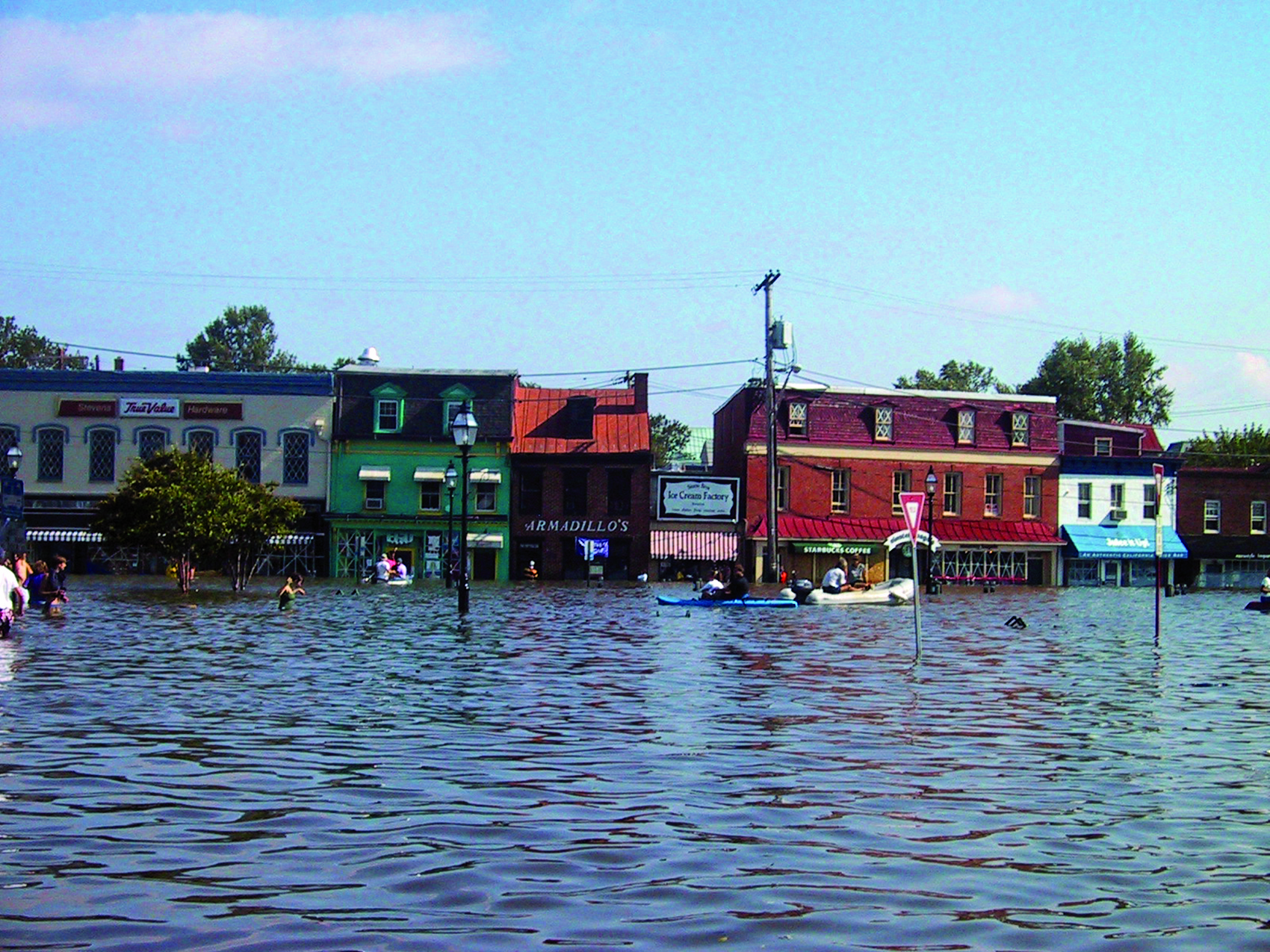
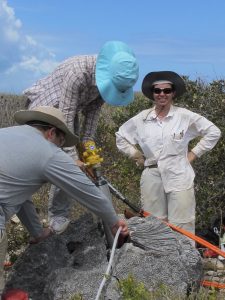
Climate change research helps state prepare for its impact on coastal communities, forests, and wildlife.


algal biofuel

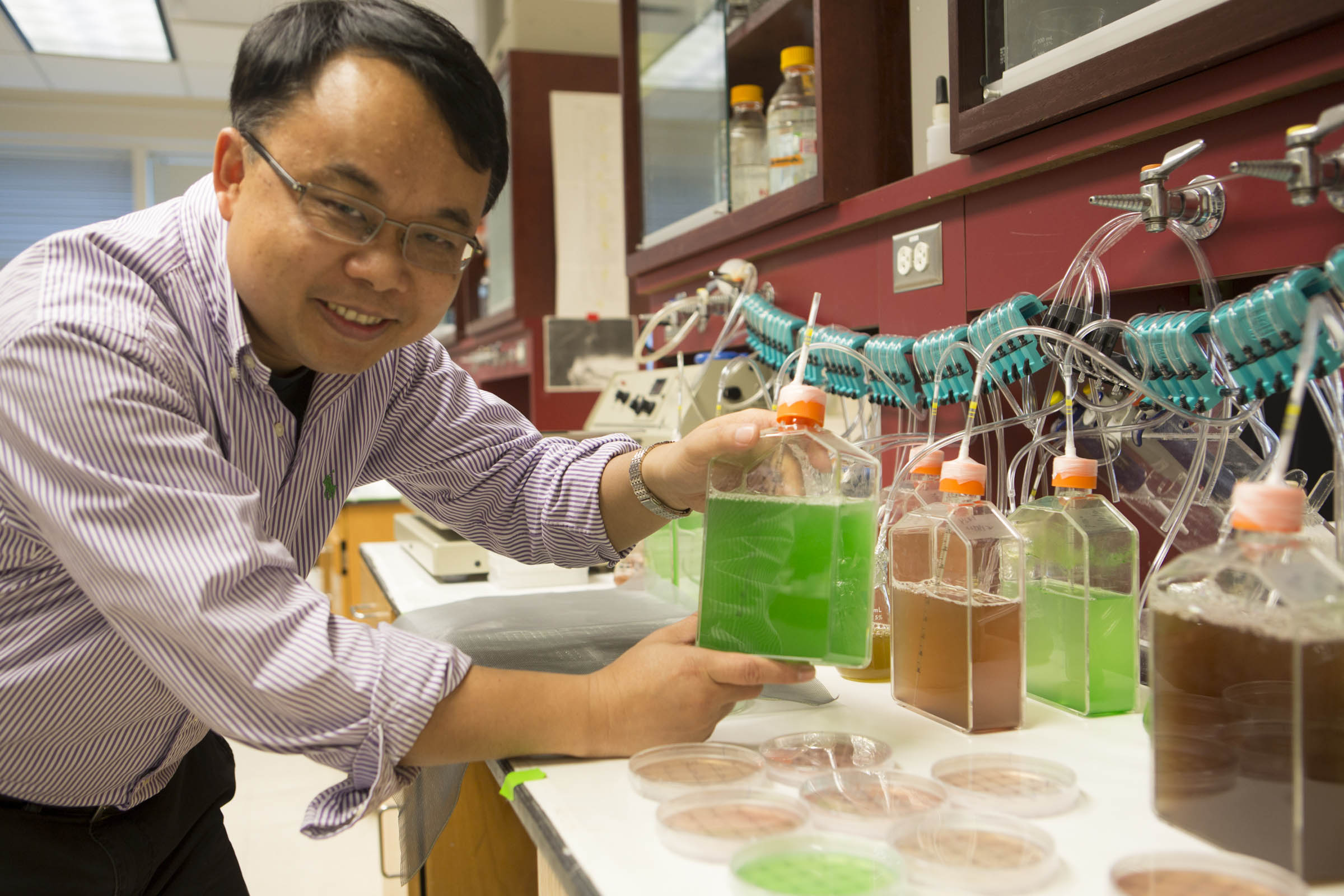
UMCES scientists have been working with Maryland business start-up HY-TEK Bio, LLC, to develop a microalgae-based system to reduce carbon dioxide emissions on an industrial scale while producing valuable byproducts, such as biofuel.

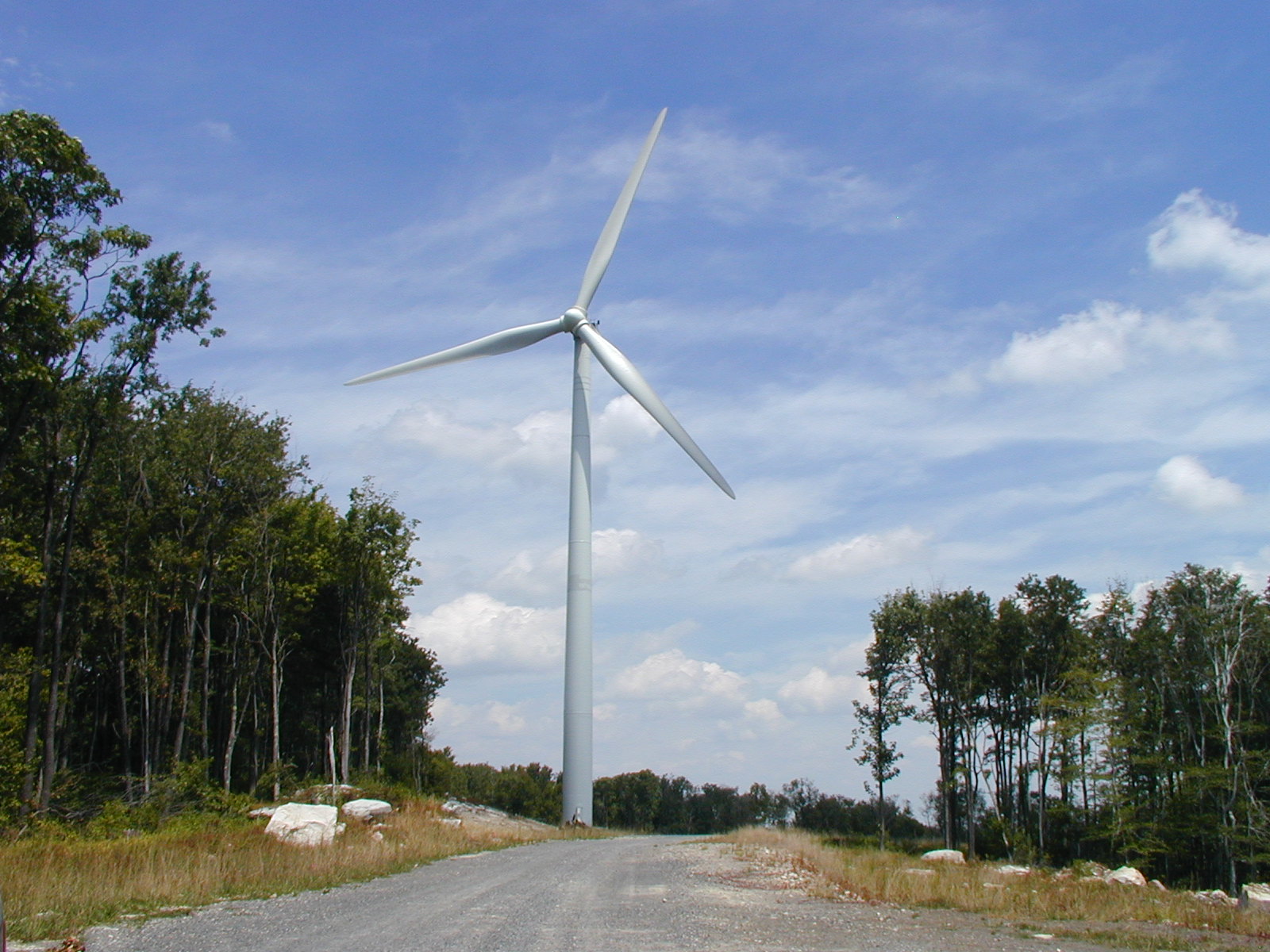
Advances in genomic and isotopic analyses pinpoint the origin and population size of bats killed by wind turbines.


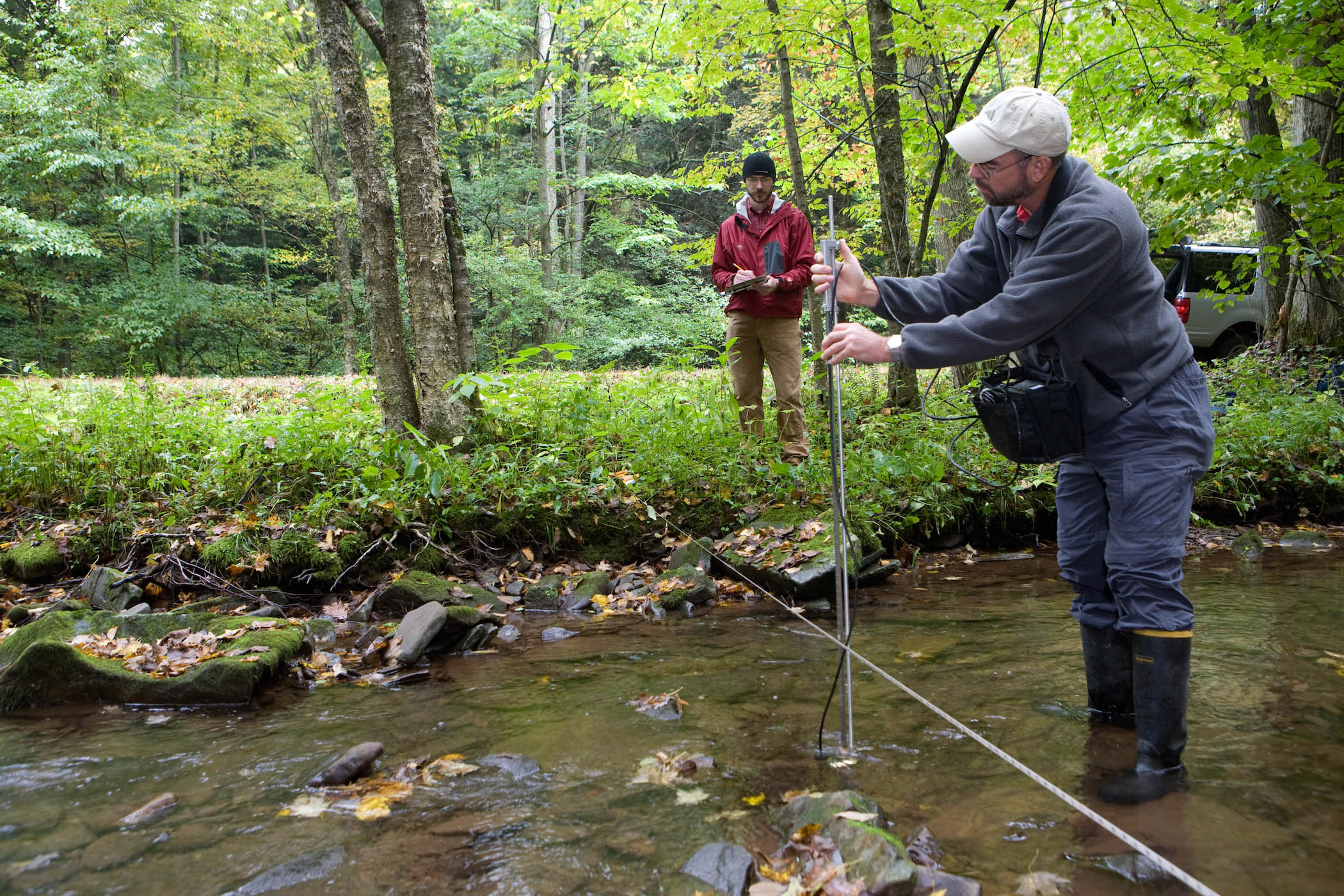
Reductions in regional air pollution contribute to improved water quality in the Chesapeake Bay.