Three Newly Published Studies Reveal Florida Red Tide Blooms Are Becoming More Persistent and Severe with Warming Waters and Nutrient Inputs
Three newly published studies by scientists at University of Maryland Center for Environmental Science and Mote Marine Laboratory are reshaping our understanding of how increased water temperatures, combined with increasing nutrient footprints, influence harmful algal blooms.
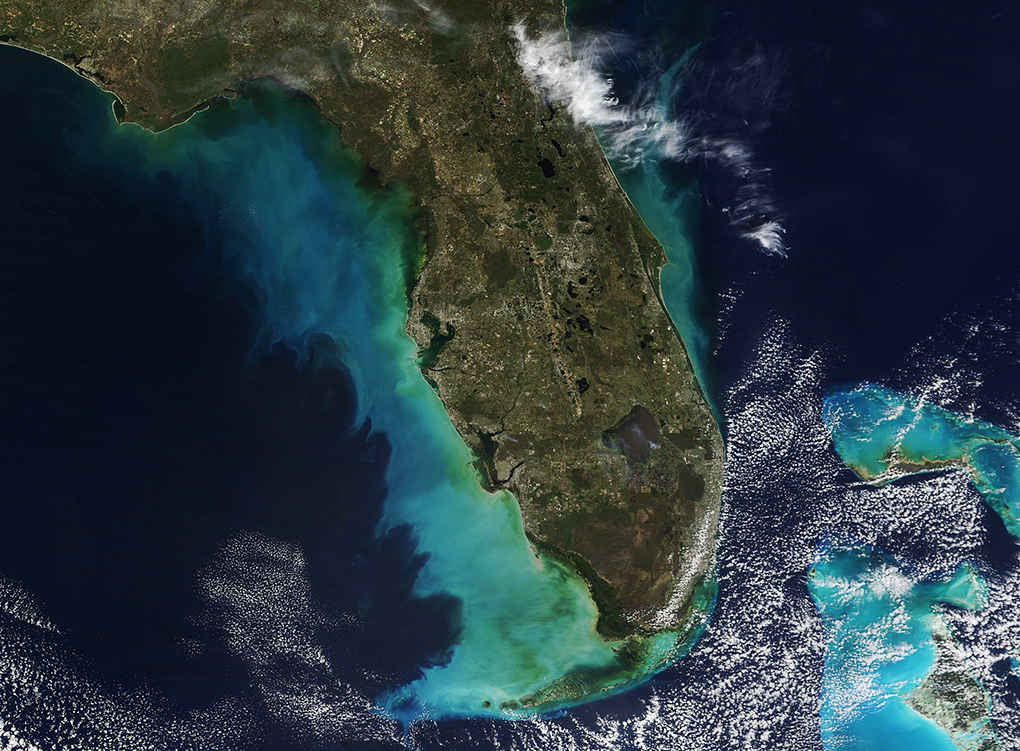
Three newly published, peer-reviewed scientific studies by scientists at University of Maryland Center for Environmental Science and Mote Marine Laboratory are reshaping our understanding of how increased water temperatures, combined with increasing nutrient footprints, influence harmful algal blooms. Together, the papers reveal why blooms of the toxin-producing algae Karenia brevis (K. brevis), commonly known as Florida red tide, are becoming more persistent, more severe, and increasingly difficult to predict.
Red tides along Florida’s Gulf coast are caused by higher than normal concentrations of Karenia brevis. Red tides in Florida have been documented since the 1700’s and can harm sea life, lead to massive fish kills, cause human respiratory problems, close beaches, and have negative economic impacts on shellfish harvesting, fishing, hotel, restaurant, recreational, and tourism industries. More recently scientifically-documented blooms have increased in duration, intensity, and impact as evidenced by the unprecedented 2017-2019 Red Tide event which caused an estimated $2.7 billion in losses.
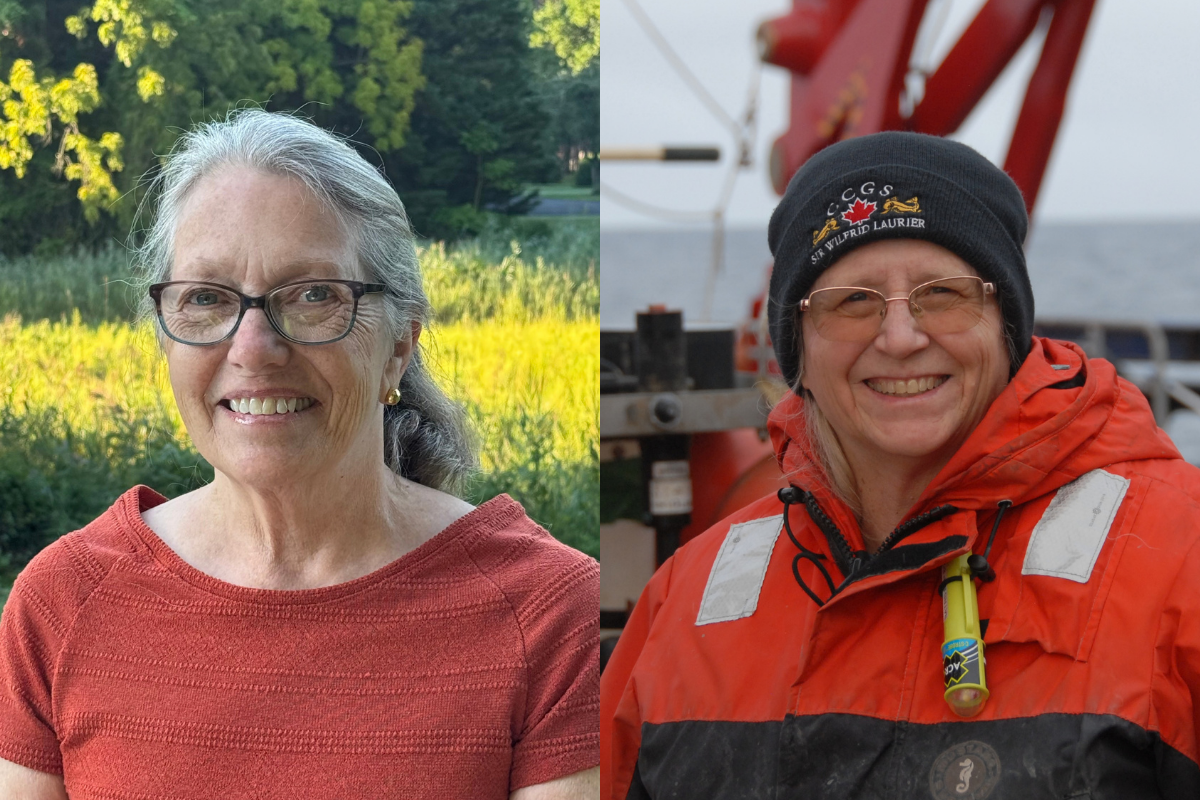
“We can put to rest the idea that increased records of red tide are due to increased monitoring– these results show that these increases are due to increasing temperatures, increasing river flow in the fall months and the associated nutrients that such flows deliver,” Dr. Patricia Glibert said.” These trends will continue to make managing these blooms a challenge for management. Longer, sustained blooms can be expected in future years if the current climate change trajectory continues.”
The study authors collaborated on a multi-year (2019 to 2026) National Oceanic and Atmospheric Administration (NOAA) Ecology and Oceanography of Harmful Algal Blooms (ECOHAB) research grant supporting the use of new field, laboratory, and modeling approaches to better understand and predict interannual variation in the magnitude and duration of Florida red tides and identified physical, chemical and biological factors associated with bloom termination.
The first study, “More sustained, more severe blooms and shifting monthly patterns of the toxigenic dinoflagellate Karenia brevis on the West Florida Shelf,” analyzed decades of bloom observations and documented a clear shift toward longer, more severe, and seasonally altered red tide events on the West Florida Shelf. The researchers found that since the mid-1990’s, blooms are increasingly lasting longer, spanning multiple months, and occurring outside their historically typical seasonal windows dating back to the 1950’s.
The second study, “Climate shifts and anthropogenic footprints driving increased severity and duration of toxic Karenia brevis blooms in the Gulf of Mexico over the past ~50 years” related these shifts in bloom severity and duration to shifts in the El Niño-Southern Oscillation in the 1990s, which brought increases in water temperatures, rainfall and increasing storm intensity, and to increasing nitrogen riverine inputs due to increasing coastal populations.
The third study, “A modeling investigation into the ecological role of mixotrophy in Karenia brevis blooms on the West Florida Shelf,” found that K. brevis exhibits a dual nutritional strategy that significantly enhances bloom longevity by allowing it to continue growing even when environmental conditions are unfavorable, such as during periods of reduced light or low nutrient levels. By drawing nutrients from multiple sources, K. brevis is less dependent on any single environmental condition, helping to explain why red tide blooms can persist for extended periods and across a wide range of conditions on the West Florida Shelf.
Importantly, these published findings connect observed changes in red tide bloom severity and duration to broader environmental pressures affecting the West Florida Shelf, including changes in nutrient availability related to human inputs and Caloosahatchee River flows, shifts in rainfall and storm severity, and climate-driven shifts in ocean conditions resulting in warming waters. These factors can create temperature and nutrient conditions that favor the growth and persistence of K. brevis blooms over longer periods of time. As a result, the findings indicate that since the mid-1990’s red tide is no longer occurring episodically, but is increasingly acting as a chronic, recurring stressor that places sustained pressure on southwest Florida coastal ecosystems. These persistent, recurrent harmful algal blooms affect human health and wellbeing through prolonged respiratory exposure to toxins and disrupt regional economies that depend on healthy coastal ecosystems.
Together, these three papers provide complementary insights on how and why Florida red tides are changing over time. The findings support the need for updated monitoring, modeling, and management approaches that account for both the complex nutritional strategies of this harmful algae and the evolving environmental conditions that favor these blooms.