Your donation supports science.
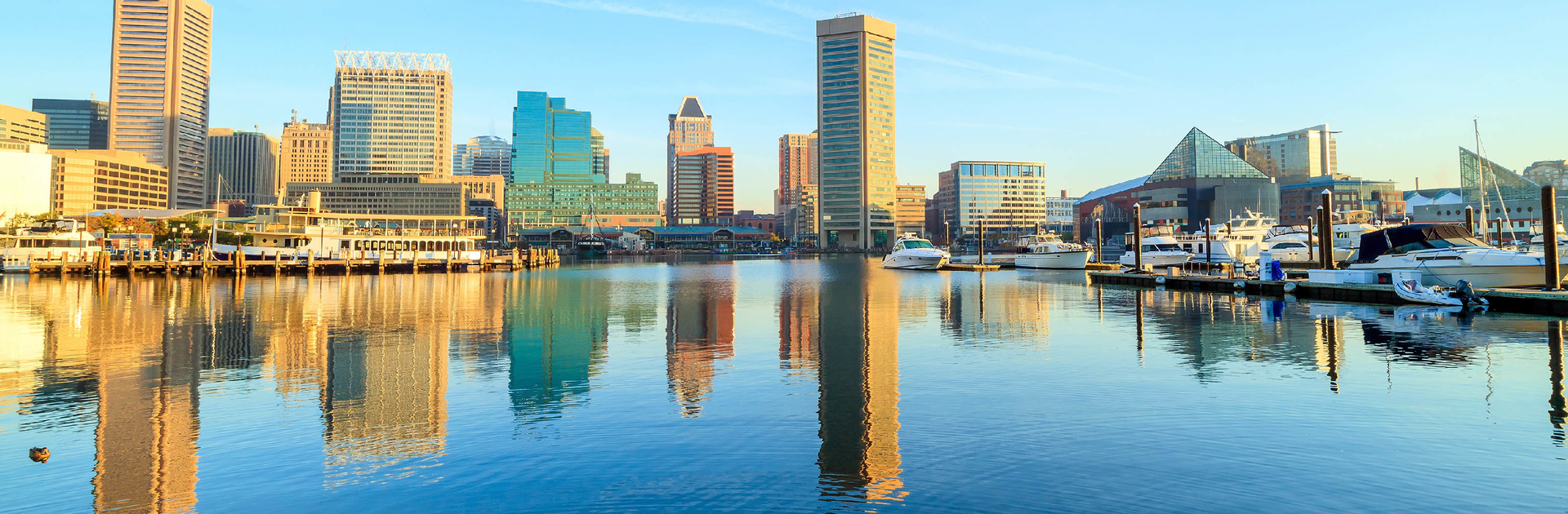
Located at Baltimore’s Inner Harbor, the Institute of Marine and Environmental Technology is a strategic alliance involving scientists at the University of Maryland Center for Environmental Science, the University of Maryland Baltimore and the University of Maryland Baltimore County. Scientists are engaged in cutting-edge research in microbiology, molecular biology and biotechnology, using marine organisms to develop new drug therapies, alternative energy and innovations to improve public health. IMET contributes to sustainable marine aquaculture and fisheries in the Chesapeake Bay and marine ecosystems. IMET fosters early stage companies and industry partnerships, contributing to economic development in Maryland.
Contact Information
Address:
701 E. Pratt St.
Baltimore, MD 21202
United StatesPhone Number:
410-234-8800

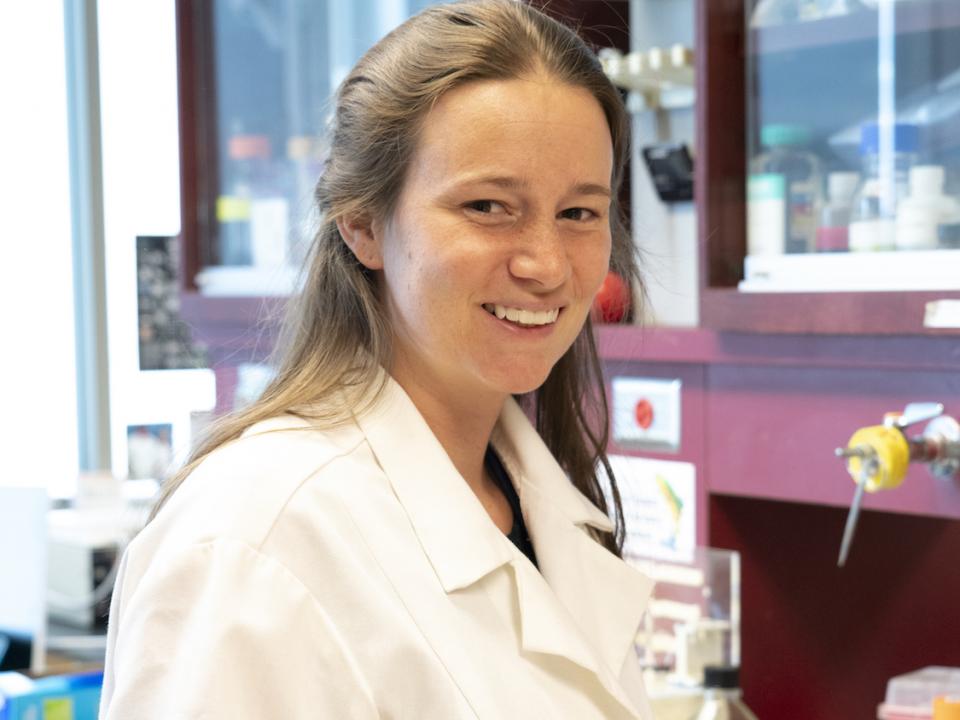
Dr. Jenn Burns of Texas Tech University Named New Director of UMCES’s Institute of Marine and Environmental Technology
View Content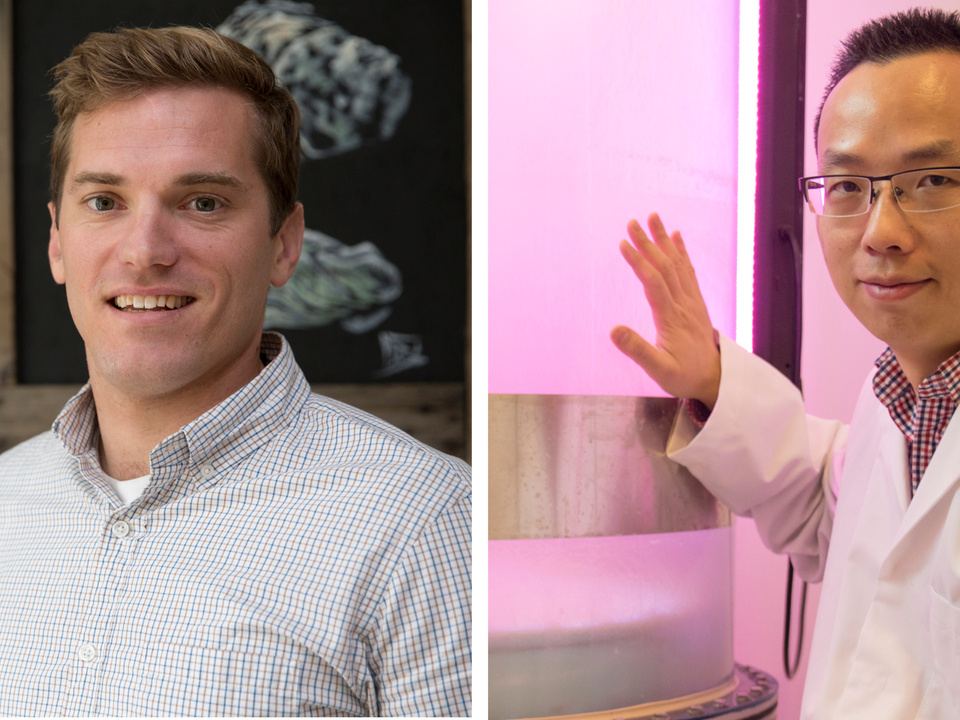
Researchers collaborate with Maryland companies to innovate new technology
View Content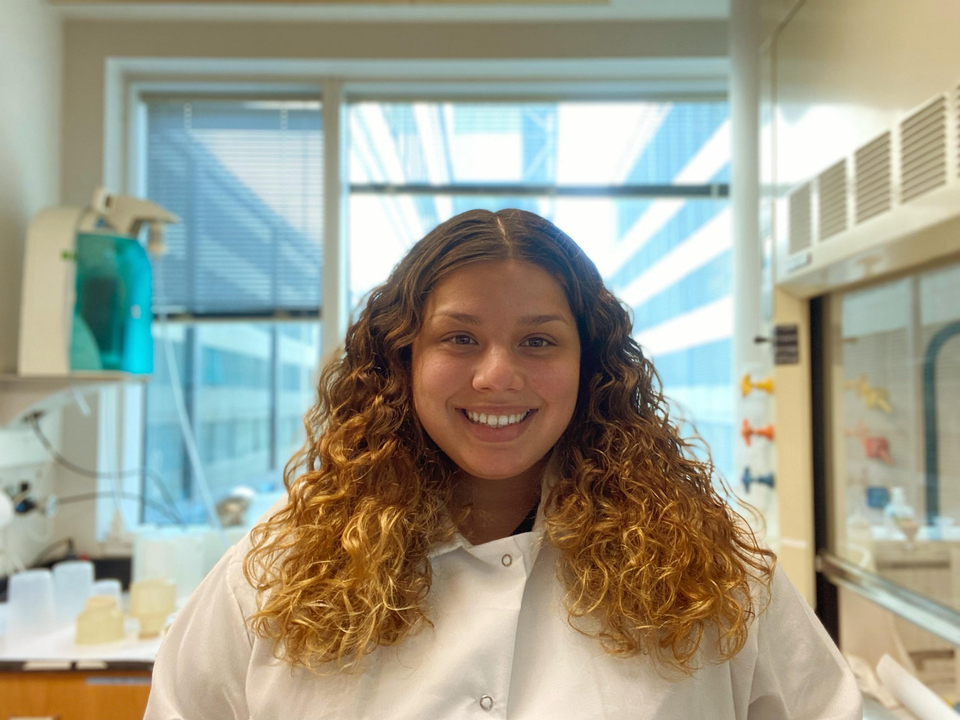
Next Generation: Olivia Pares on viruses in blue crabs
View Content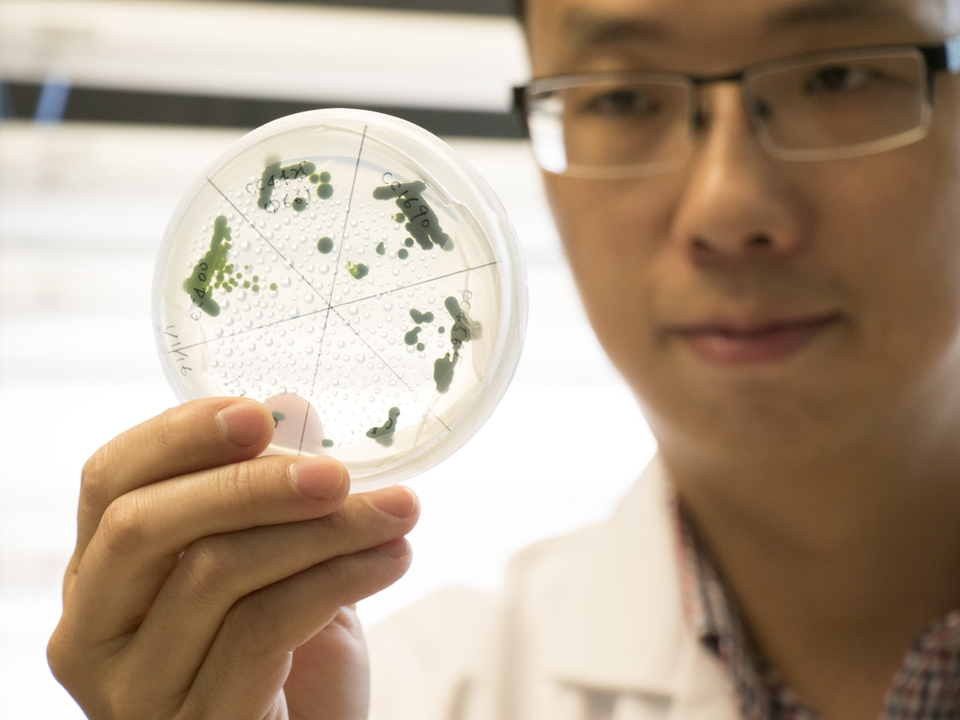
Researchers pursue green technology to capture carbon dioxide emissions
View Content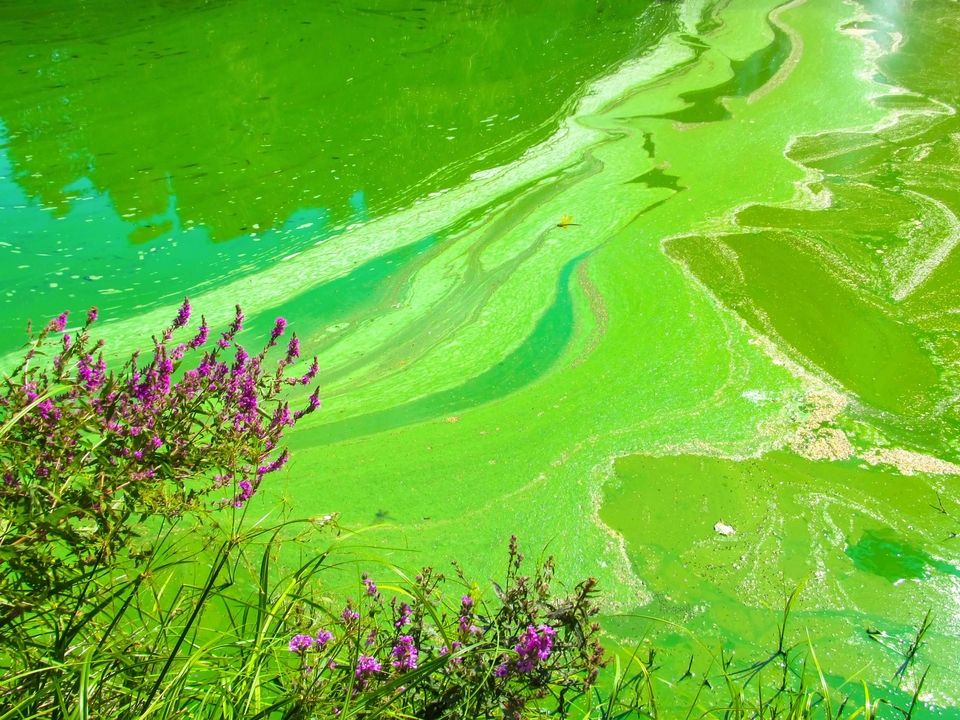
Innovative incubator to jumpstart efforts to control harmful algal blooms
View Content
Innovative research that uses algae to trap greenhouse gas emissions receives $3M
View Content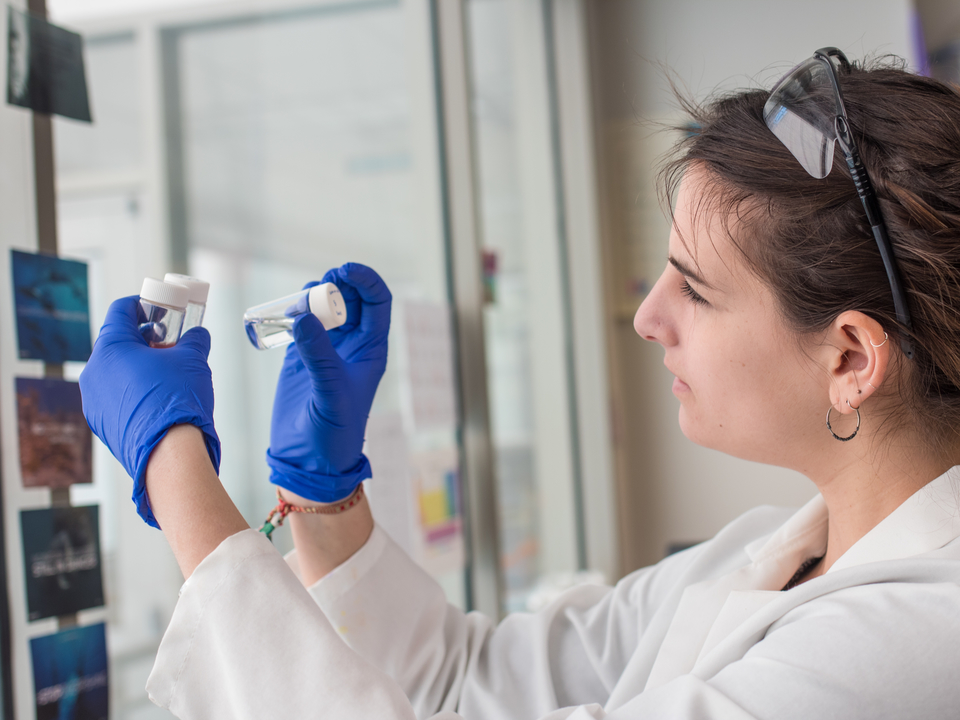
Next Generation: Lauren Jonas on where nutrients are hiding in coral reefs
View Content