Next Generation: Zoraida Perez Delgado
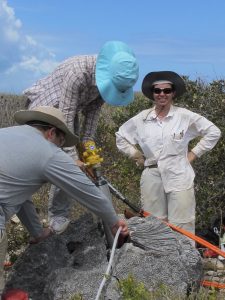
Master's student Zoraida Pérez Delgado has been using coral records from the Atlantic, Indian, and Pacific Ocean to understand how volcanic events have historically impacted precipitation and temperature over the last 400 years. By understanding how our climate has changed in the past, scientists hope to improve models used to predict future changes that have been accelerated by the burning of fossil fuels. .
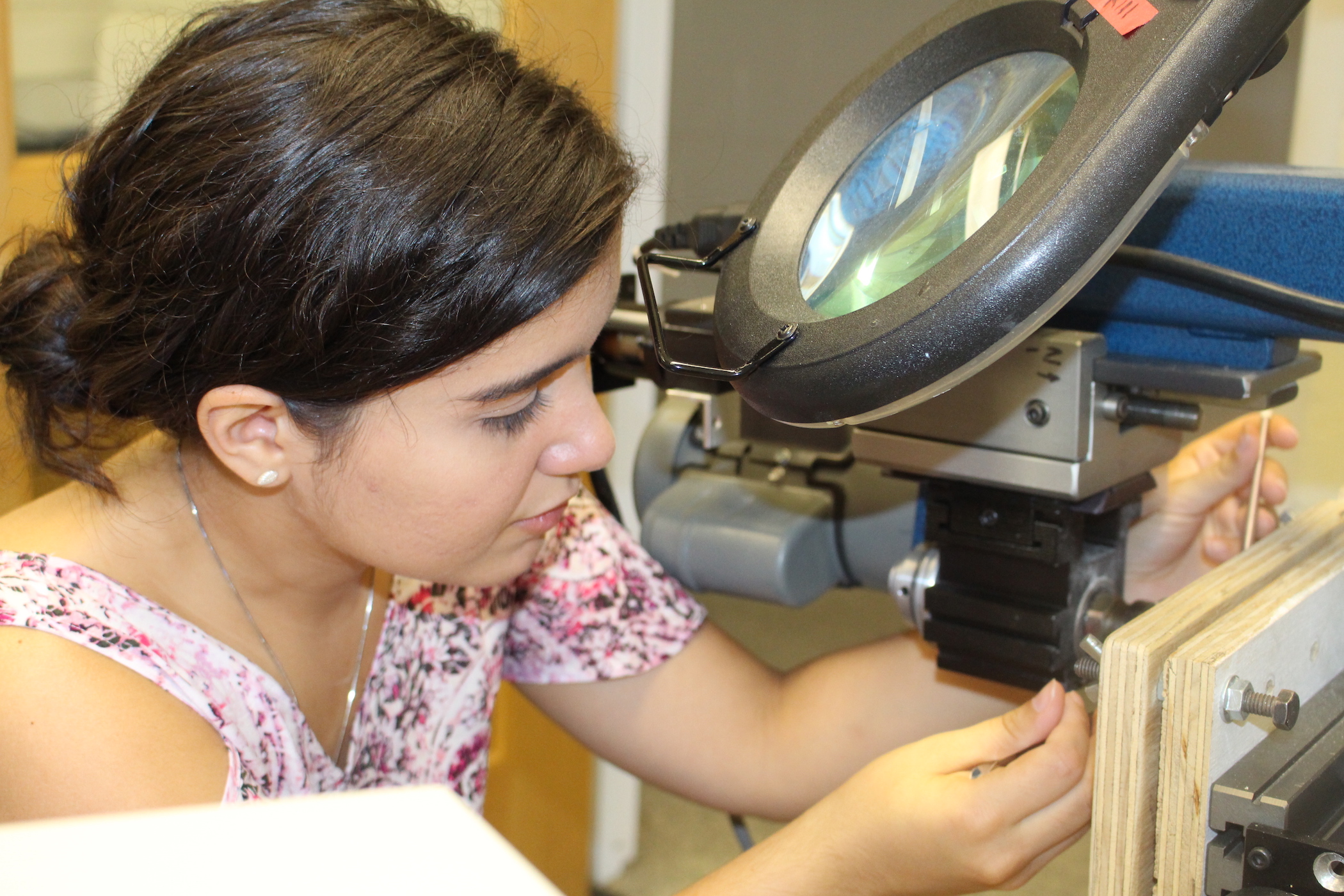
Paleoclimatology with Zoraida Pérez-Delgado
Hometown: Trujillo Alto, Puerto Rico
Advisor: Dr. Halimeda Kilbourne, Chesapeake Biological Laboratory
What are you researching? The goal of my research focuses on testing the response of climate models to perturbations caused by volcanic events of the Last Millennium using coral records from the Pacific Ocean.
Why does it make a difference? It is important to ensure that climate models used for future climate predictions accurately represent environmental processes. In other words, with this research, we can be more confident in the predictions climate models make about the Earth’s climate.
How did you get interested in environmental science? I got interested in environmental science because I wanted to understand the different processes that drive the world, and also I wanted to be able to help others and make a difference through my research.
Why choose the University of Maryland Center for Environmental Science? I decided to come to Chesapeake Biological Laboratory because of the research being conducted here and because Marine-Estuarine Environmental Sciences (MEES) is such an interdisciplinary program. Not only would I have the opportunity to work in the area of paleoclimatology (something I have always dreamed of), but I would get to explore other scientific fields as well.
Share an experience that stands out most about your time with UMCES. During an Open House event at Chesapeake Biological Laboratory, I got to sit down with a high school student and talk about what got us interested in science. I was also able to give her advice on how to participate in research experiences and how to apply for undergraduate programs in a way that she could combine her love for science with her passion for the arts.
What’s the most important thing people can do to help the environment? I feel the most important thing people can do to help the environment is to keep an open mind and use their voice to express any concerns they may have regarding our changing planet.
“With this research, we can be more confident in the predictions climate models make about the Earth’s climate.”