
Undergraduate Opportunities

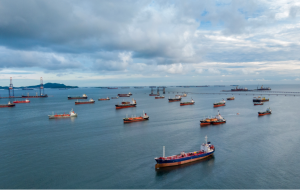
AL Undergraduate Internship Program
Each year, Appalachian Laboratory offers a limited number of undergraduate students the opportunity to engage in research activities through internships with various research projects. In addition to project-related activities, students also have the opportunity to read and discuss journal articles related to the field of study with their internship supervisors and graduate students and to participate in a professional development series of workshops and field trips, as well as other Laboratory-sponsored events during their internships.
Environmental Education Community College Collaboration
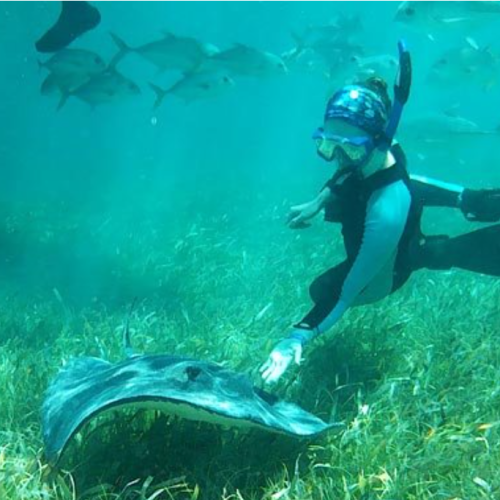
The Environmental Education Community College Collaboration (E2C3) program offers internships at the University of Maryland Center for Environmental Science’s (UMCES) Chesapeake Biological Laboratory to qualifying community college students interested in pursuing environmentally-based Science, Technology, Engineering, and Math (STEM) careers. Freshman and sophomore students at the College of Southern Maryland are eligible to apply.
Oyster Hatchery Internship
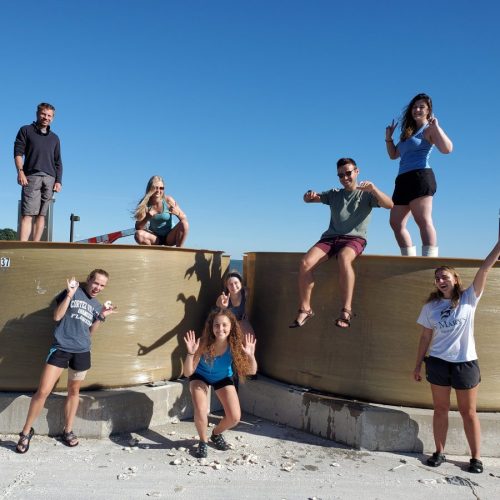
The Horn Point Oyster Culture Facility, based at University of Maryland Center for Environmental Science’s Horn Point Laboratory, invites students to join the hatchery team for a summer internship. During this opportunity, students can learn all aspects of oyster culture, including broodstock managment, spawning, larval culture, algal culture, settlement, outplanting, deployment and facility maintenance. Interns will be expected to assist in all facets of hatchery operation, but may also assist in hatchery experiments under the supervision of a faculty member.

IMET Summer Internship
Each summer, the Institute of Marine and Environmental Technology at the Inner Harbor offers students the opportunity to conduct a nine-week project research in marine sciences applying molecular tools. The summer internship provides an orientation to working in a lab, seminars on the use of molecular techniques relevant to fisheries, energy production, and environmental research, introductions to bioanalytics and DNA-sequencing, a research project with an IMET faculty mentor, and a one-day workshop on communicating science.