The Art of Science
Through a variety of approaches, UMCES researchers are teaming up with visual artists to deepen people’s connection to science and the Bay.
By Wendy Mitman Clarke
Adam Frederick has worked for years to educate and inspire people about the communities of organisms that live on the discs he deploys in Baltimore’s Inner Harbor. As assistant director of education for Maryland Sea Grant (MDSG) and a research partner at the Institute for Marine and Environmental Technology (IMET), Frederick has doggedly pursued every opportunity to bring into sharper focus the diverse species that colonize these discs—integral to his Biodiversity and Biofilms project and the hands-on science curricula it supports.
Technology in the last decade has enabled extremely sharp photos and videos through a microscope, Frederick says. “But within that, you still can’t isolate certain things. You just have to have some kind of wow factor to get people excited about the living things in the harbor. They’re small, they’re gray, they’re brown. There is some color, if you really get a good image.”
Last summer, Frederick’s efforts took a leap forward during a collaboration with MDSG’s science illustration intern, Talia Mastalski, a student in Johns Hopkins University’s master’s program in medical and biological illustration. Working from samples she and Frederick collected, as well as previous images he had, Mastalski used layering techniques to highlight and detail particular organisms in the biofilms. Integrated as part of a collection of visuals, the illustrations complement photos and videos, much the same way a traditional field guide provides multiple perspectives to see and understand a bird, plant, or reptile, for example. They’re also flat-out captivating, which is saying something when you’re talking about tube bryozoans and mud whip worms, to name a few.

Amphibod and Colonial hydroid, by Talia Mastalski
“We’ve been able to put that guide together that has another kind of level of engagement,” Frederick says. “Real illustrations are so good, they’re just eye-catching…here’s this organism that’s sitting in among this community, and you can kind of see it, but then when somebody illustrates the lines of it correctly, it’s like, ‘Wow, this is a really amazing organism. I want to find out more about that.’ ”
MDSG’s Science Illustration Internship, now in its second year, is just one example of how visual arts are gaining momentum in the University of Maryland Center for Environmental Science (UMCES) labs. Art complementing science certainly isn’t a new idea; these efforts tap into a legacy that includes names like biological illustrator Alice Jane Lippson, who began her career at Chesapeake Biological Laboratory (CBL) in the 1950s, and creators like Tom Wisner, whose dynamic artwork at CBL in the 1970s introduced Bay science to a whole new generation of students. But in an era when AI is enabling the near-instant fabrication of visuals, this fresh commitment is a bold statement supporting the need for human perception and collaboration to create powerful art that not only helps communicate the complex study of the natural world, but also inspires change.
“It’s pretty clear that scientists are not very effective at changing minds and changing the way people think about science issues,” says Russell Hill, who as IMET’s director in 2019 co-founded the CIRCA-IMET Artist-in-Residence Fellowship (CIRCA is the University of Baltimore County’s Center for Innovation, Research, and Creativity in the Arts). “We are inclined to…explain things from a scientific point of view, often with data and images and graphs. That’s all important, but it’s not always the most effective way to reach people. And it’s been clear to me for a long time that we need to be making a more emotional connection…this is where the art approach can be fantastic.”
Lora Harris, an estuarine ecologist and professor at CBL, echoes that thought.
“A lot of the work that I do has aspects of behavior change in it,” she says. “And how do we get people to truly and authentically engage in behavior change? We have to appeal to their values and their feelings. As a scientist that is not my expertise. That is where I think artists live all the time.”
Nurturing Young Illustrators
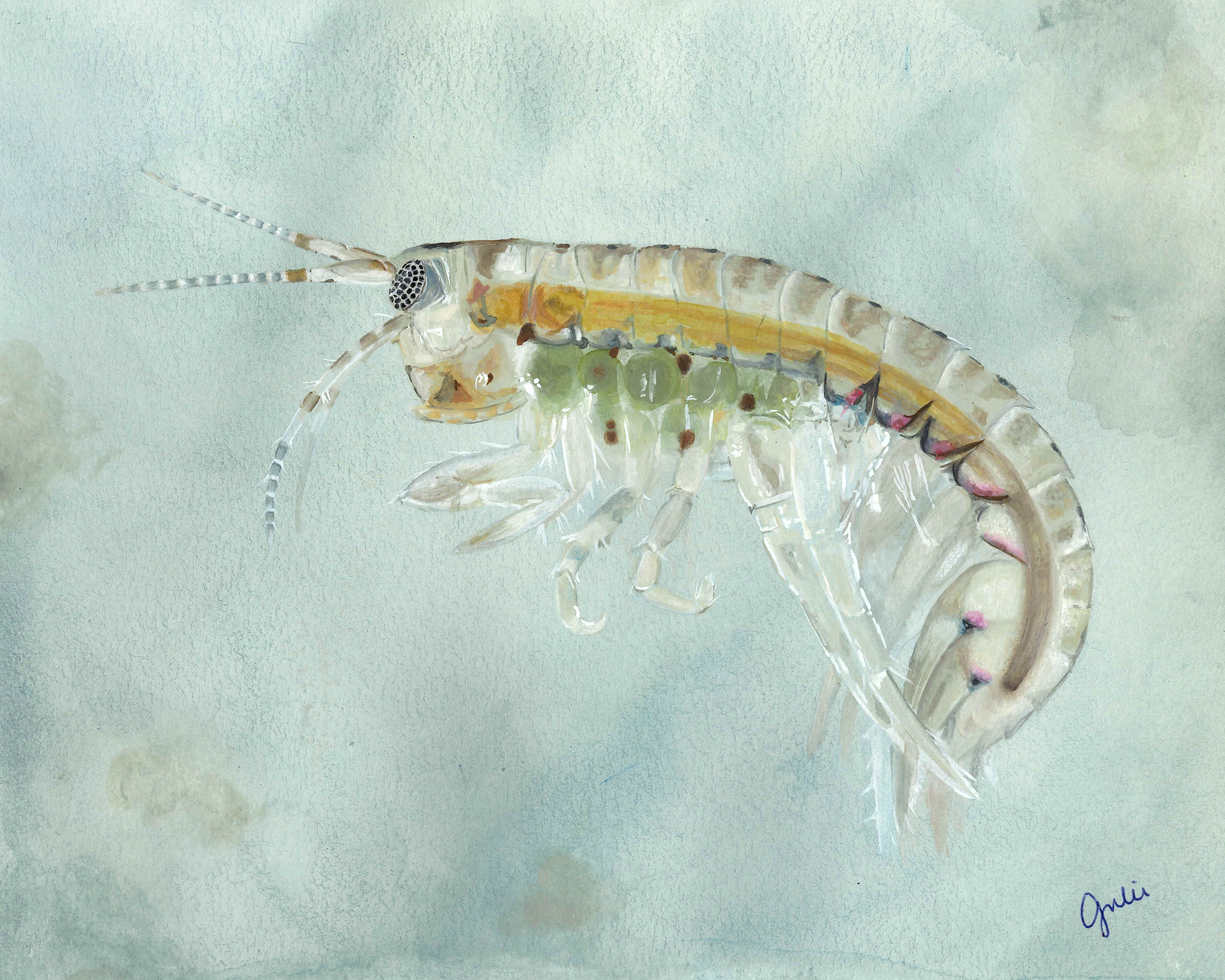
Harris worked with the 2026 MSDG science illustration intern, Julia Devine, who has a bachelor of fine arts and illustration from California State University and honed her science illustration skills as an intern at the Monterey Bay Aquarium Research Institute. As part of their work on the Potomac River sewage spill of January 2026, Harris, CBL Professor Ryan Woodland, faculty research assistant Kaitlin Beasley-Polko, and Horn Point Laboratory (HPL) Assistant Professor Javier Lloret, wanted to develop communications to broaden people’s understanding of the value of technologies around sewage management. There’s a perception from many communications, Harris says, that the Bay’s built environment is “bad” when juxtaposed to the “good” of healthy ecosystems.
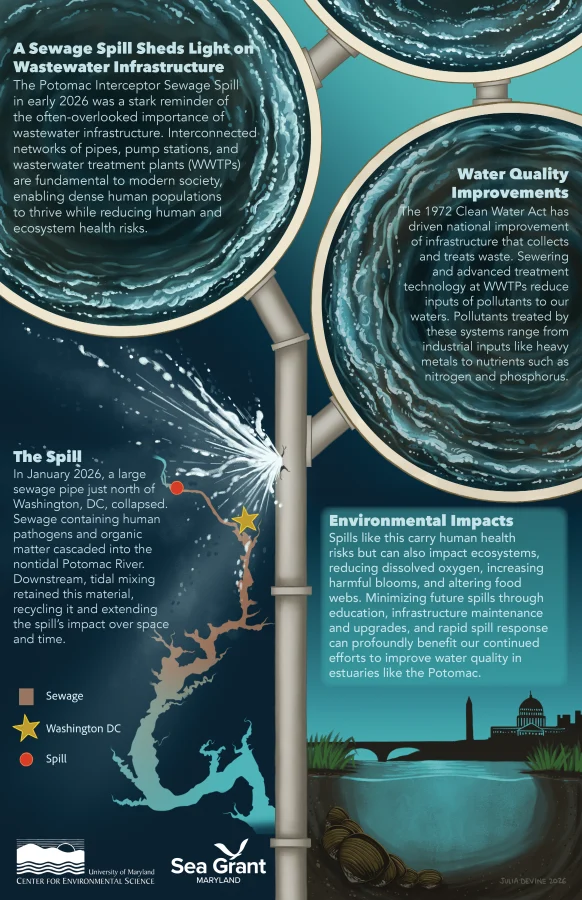
By Julia Devine
“We came to Julia with the artistic challenge of how we communicate this spill and its impacts on the estuary and the natural resources and ecosystem services, and we want the public to see that built environment as beautiful,” Harris says. “The Blue Plains treatment plant is the most advanced in the world. It’s so central to the functioning of the Potomac and the Bay, and integral that our wastewater plants are working well, that we really value and appreciate those technological feats…Look at this amazing infrastructure we have, and look at what happens when it breaks. And that’s hard. Mentally it’s hard.”
Harris says the result was a visual representation that can be used across multiple audiences — from corporate leadership and managers to the public and students.
“We really wanted it to initiate an emotional response in people, not just convey information,” Harris says. “Our audience was the management community, but our intent was an emotional response.”
The Potomac spill was just one of several projects Devine worked on. Others included working with Extension agents in Baltimore on interpretations of how rain gardens function, and visuals for the Maryland Department of Natural Resources (DNR) informing the public about cyanobacteria and how to avoid it in the water. This two-part project included one piece explaining the science of cyanobacteria and a second designed for more general audiences, Devine says.

By Julia Devine
The MDSG Science Illustration Internship is funded through a grant from the Maxwell/Hanrahan Foundation. The three-month position offers a $4,000 per month stipend to support “early career scientific illustrators in the natural science fields,” says Annalise Kenney, assistant director for communications for MDSG and the internship supervisor. “We have had a tremendous amount of interest in this internship, receiving hundreds of applications.”
In addition to her work with Frederick on biofilms, Mastalski produced work on aquaculture education, living shorelines, and Bay microbes. Primarily a medical illustrator, Mastalski says this was the first time she has worked in the natural sciences, and she enjoyed going into the field with UMCES researchers to see their research firsthand. She also learned a lot from collaborating with scientists who had never worked with an illustrator before.
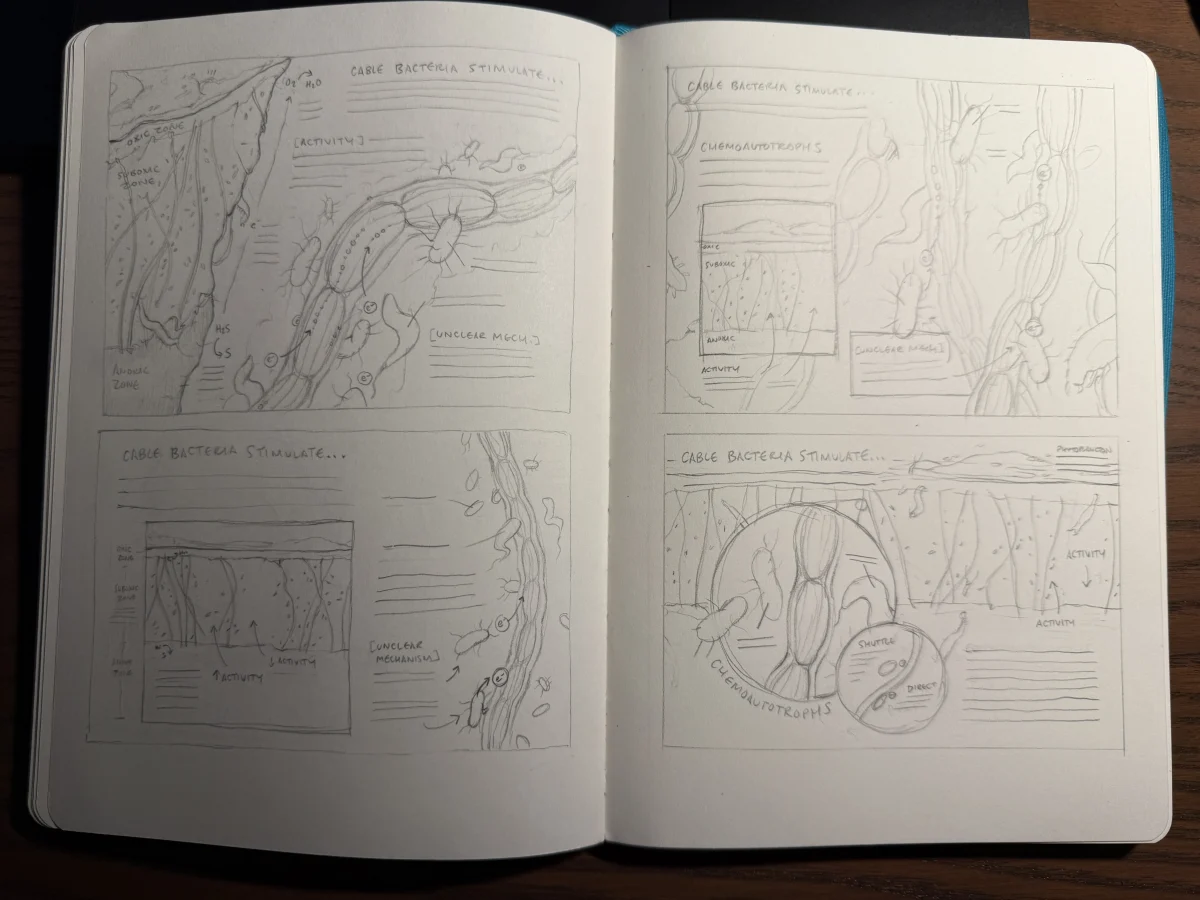
Sketches and notes, Talia Mastalski
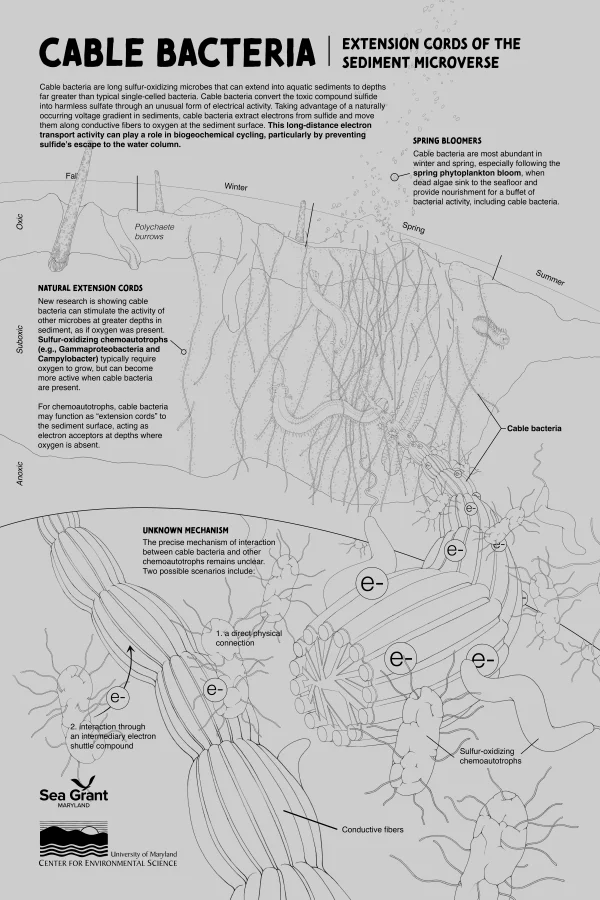
An early draft of cable bacteria, Talia Mastalski
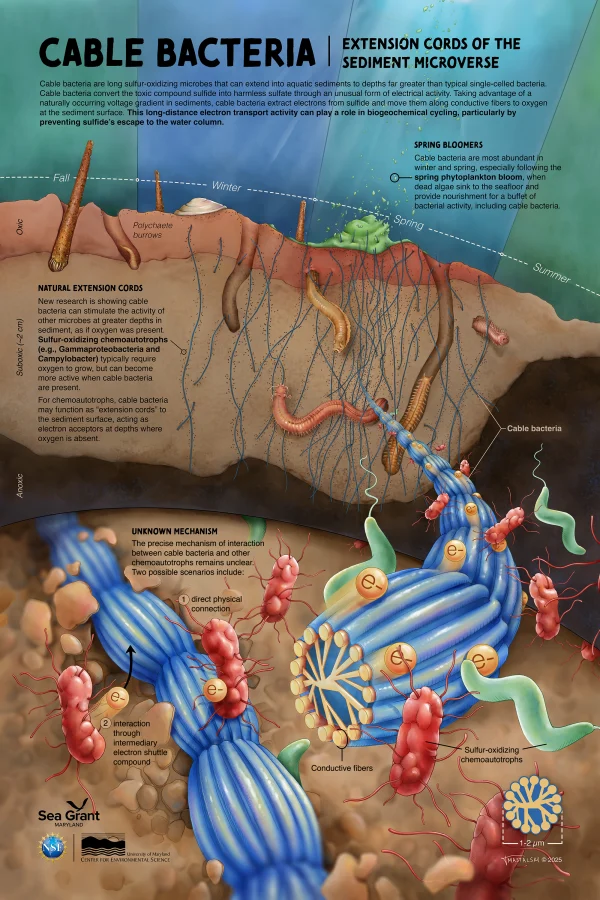
Final cable bacteria piece, Talia Mastalski
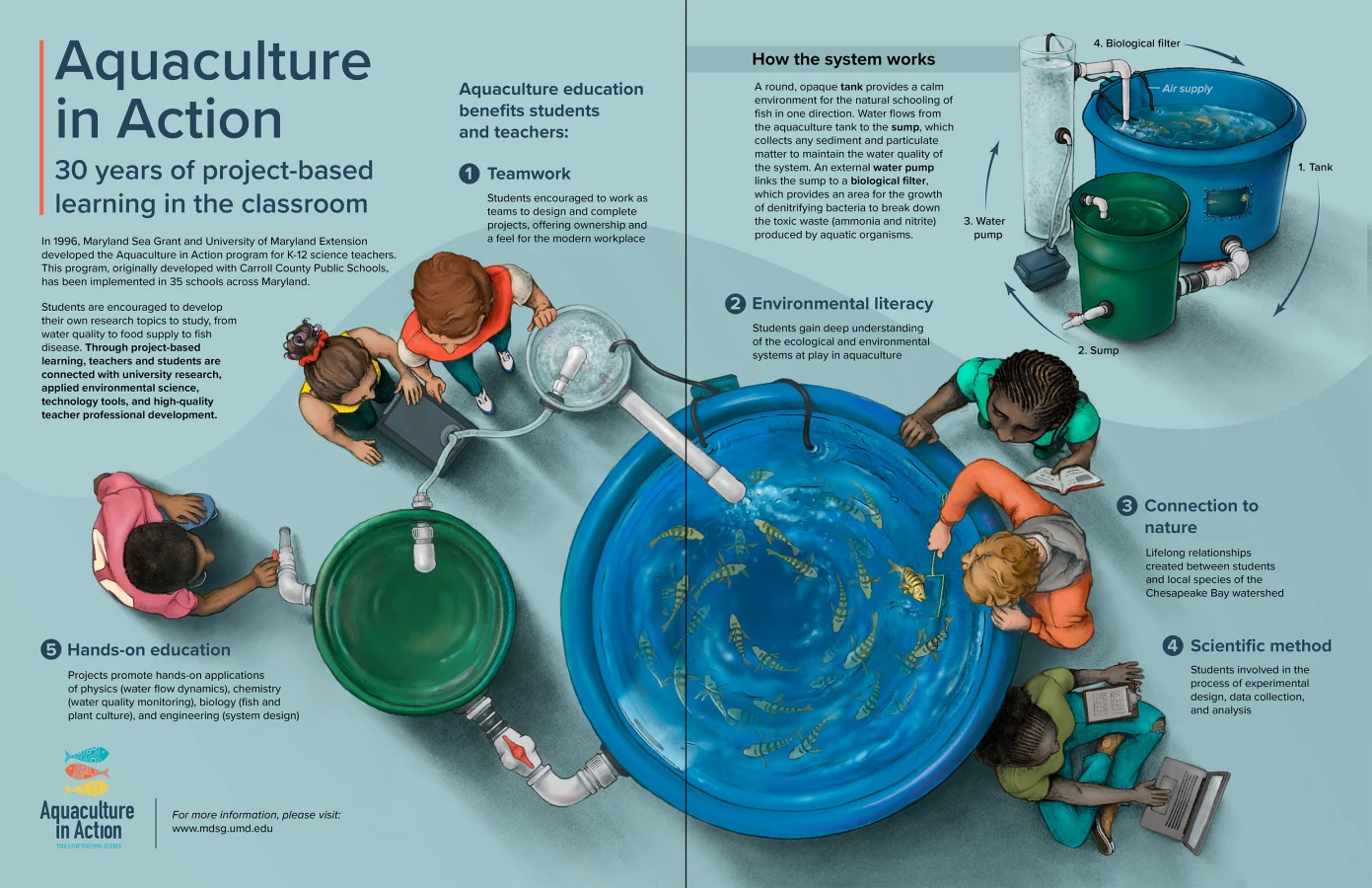
Aquaculture in Action, Talia Mastalski
“That was a learning curve for both of us that really helped grow my skills as a communicator for illustrating,” Mastalski says. “I had to learn how to ask questions straight out, guide them, like, ‘Is this molecule looking proper? Is this the type of information that you want to focus on, or should I be focusing more on this aspect? Do all these little details in this area effectively communicate the season when you’re going to find these bacteria?’ And then that can start more of a conversation with them, and get them thinking about things as well.”
Erika Koontz, ’25, who completed her master’s degree at HPL and now works as a DNR natural resources biologist, says that kind of learning went both ways. She and Mastalski teamed up to create a short animation and still images to convey the complexities of her work analyzing how different living shoreline designs affect sediment transfer and nearshore submerged aquatic vegetation. Mastalski joined her in the field to see several examples of segmented cell sites, and “as we were out there she had tons of questions for me. Being in that setting it was so much easier to express what I had hoped to convey in the visualizations and in illustrations and eventually the video,” Koontz says. “This was such a amazing opportunity, and I didn’t have to pay a single cent for it. I just dedicated some time here and there with Talia, and she was also amazing to work with.”
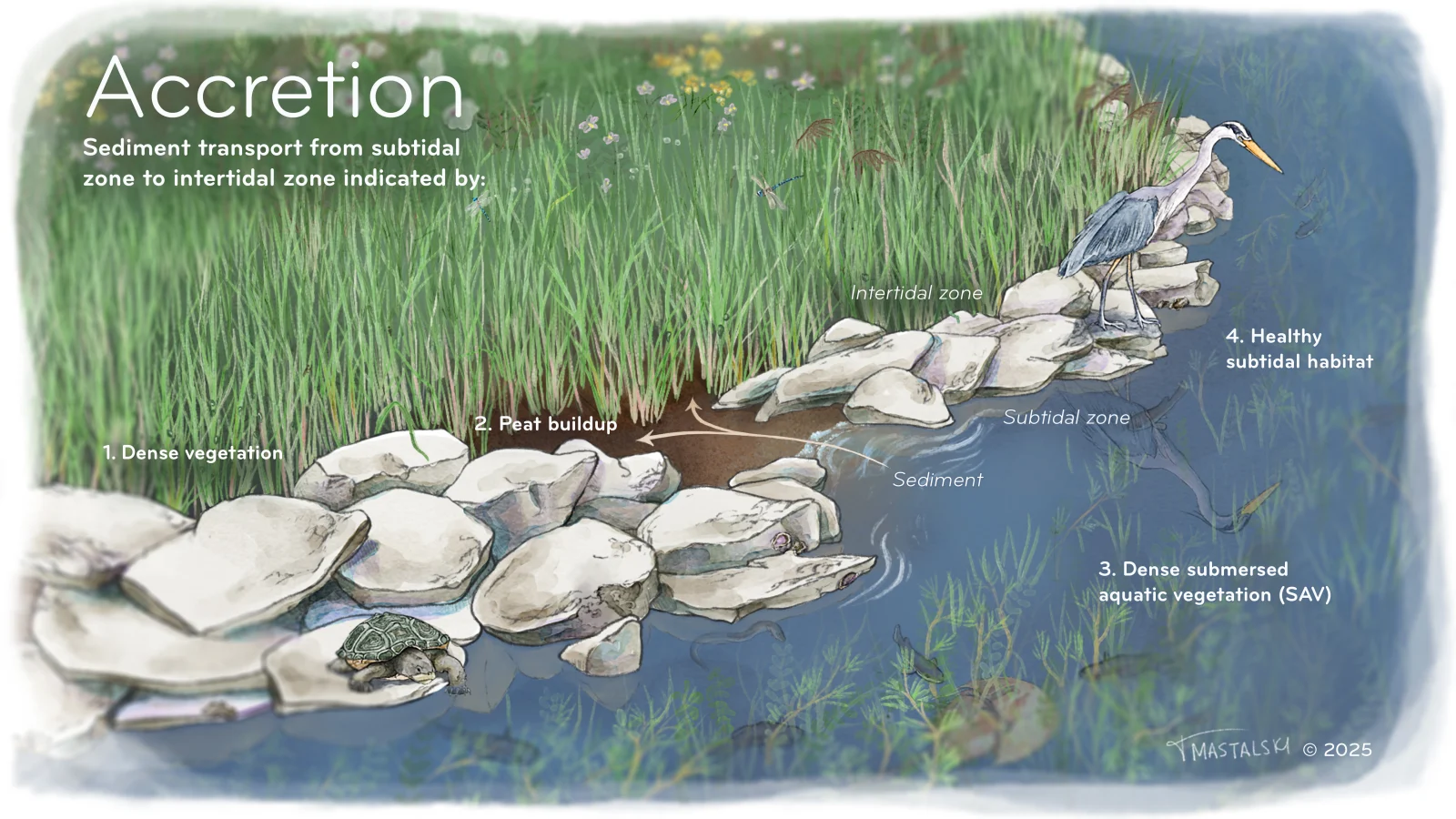
Accretion, Talia Mastalski
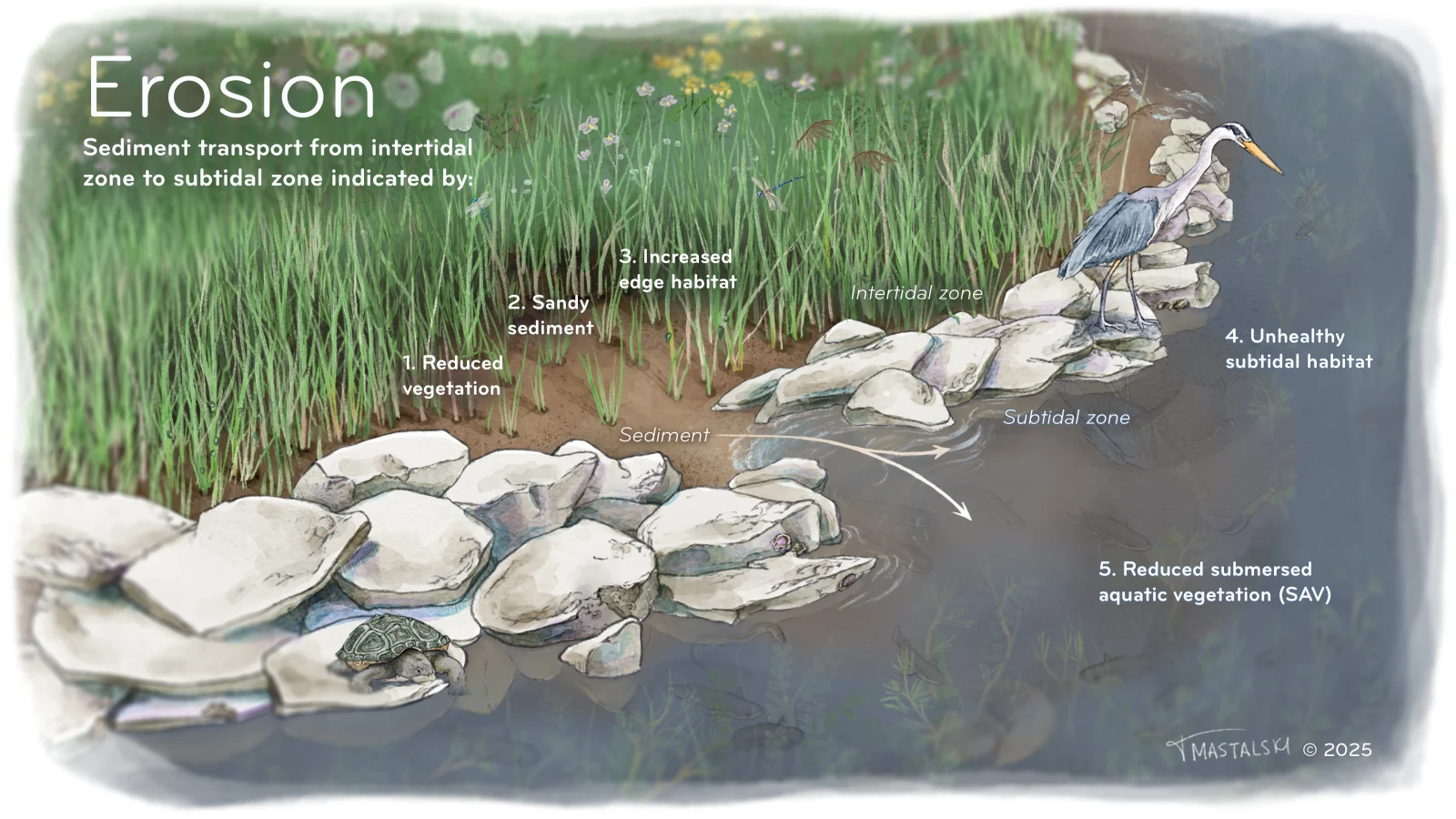
Erosion, Talia Mastalski
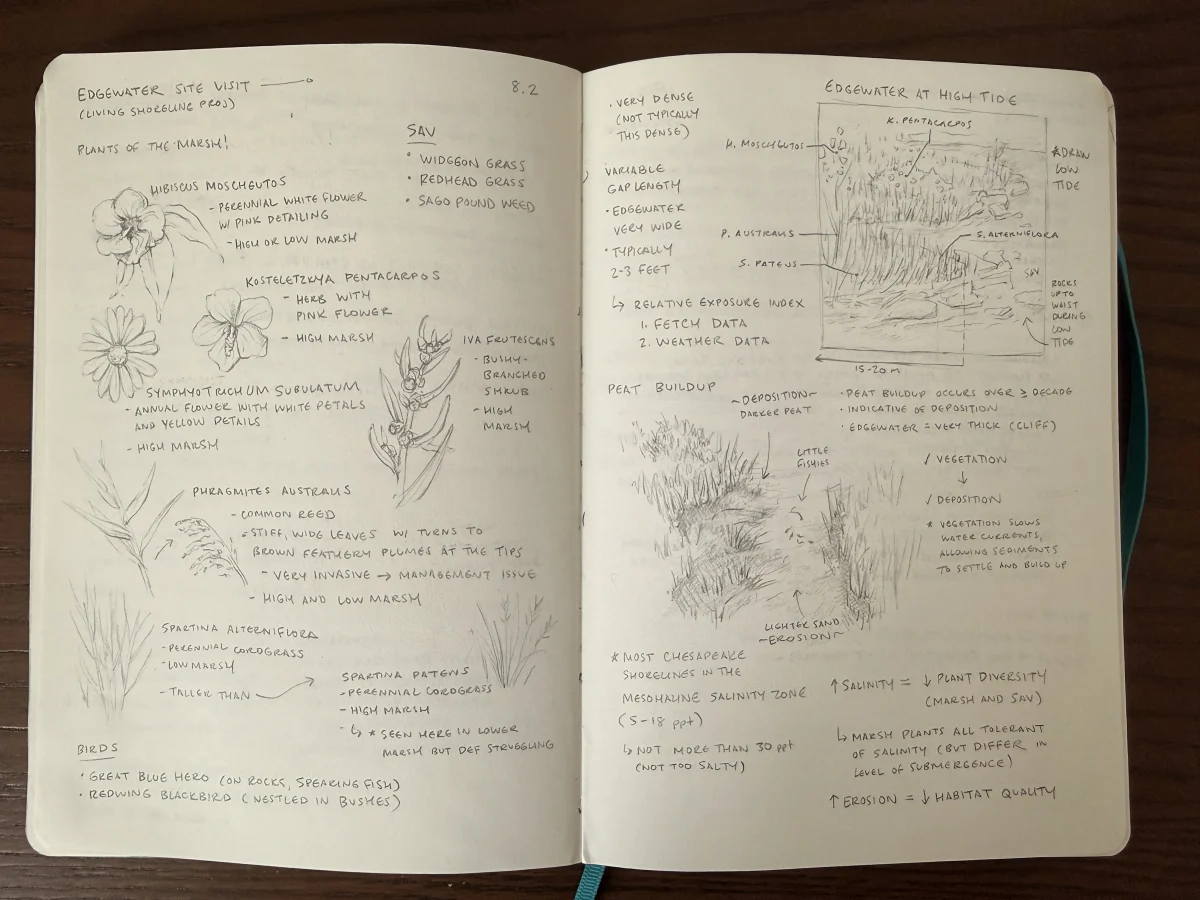
Notes and sketches, Talia Mastalski
A GIF of the full sill cycle, Talia Mastalski
Devine had worked with scientists and in natural sciences before, she says, but this internship helped her learn more about science communications more broadly.
“In Monterey, I was just a part of a science team, so they didn’t really have, or know how to do, the communication aspects,” she says. “So it’s been really helpful to have Annalise have my back and be able to mentor me during this internship.”
Connecting Macro and Micro
At Horn Point Laboratory, a project in its second year is using visual art to more broadly communicate and deepen public connection to the cutting-edge study of plankton ecology at the PhytoChop Coastal Observatory. The Critter of the Month series, which began in early 2025, is a collaboration among PhytoChop scientists and Julie Trommatter, a faculty research assistant who focuses on algae culture at HPL and who also happens to be a watercolor artist. The idea came about when The Bailey Wildlife Foundation, which helps fund the observatory, suggested expanding the observatory’s communications, says Sairah Malkin, an associate professor at HPL who studies biogeochemistry. Malkin had seen some of Trommatter’s artwork and started brainstorming with her.
“I’m looking at ones and zeros, right?” Malkin says. The challenge was “how can we make this interesting and tangible to people? And it was in that back and forth that we came up with the Critter of the Month idea.”
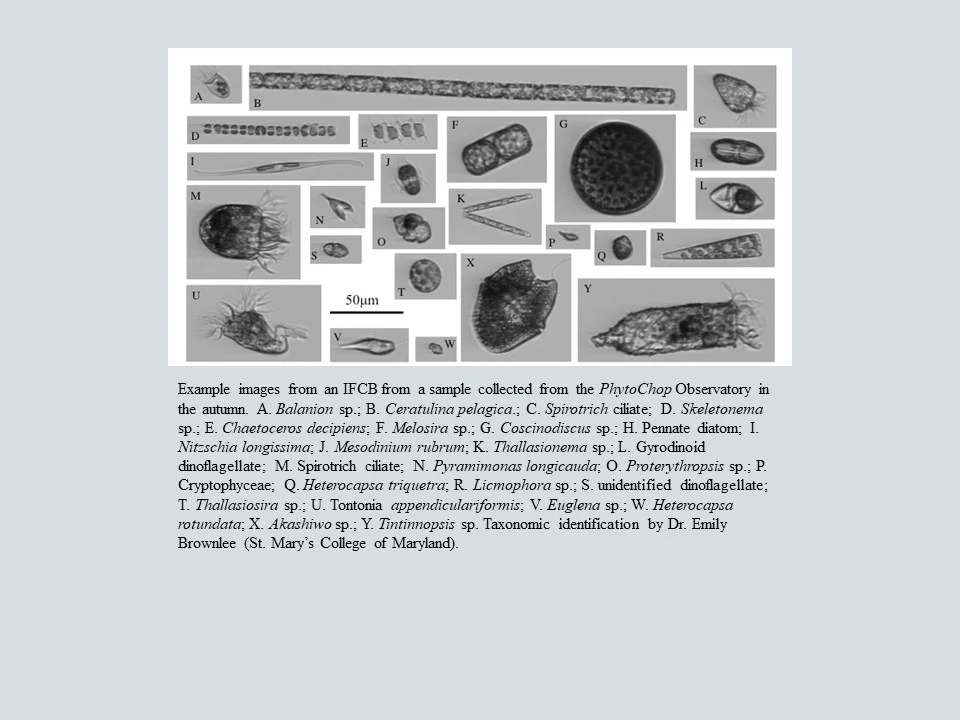
Each month, Trommatter focuses on an organism—everything from insects to otters to the single-celled dinophysis—and creates a watercolor portrait. It’s accompanied by an essay providing more information about the subject, its interconnections with the larger environment, and often details about the tools PhytoChop uses to collect, analyze, and identify organisms. In the case of “Spring in Bloom” (April 2026), an assortment of microbes collected in a net off the PhytoChop pier is displayed in brilliant detail. It’s presented with the original image and another showing each organism labeled, as well as an explanation of the FlowCytobot—an instrument that captures tens of thousands of individual cell portraits hourly.
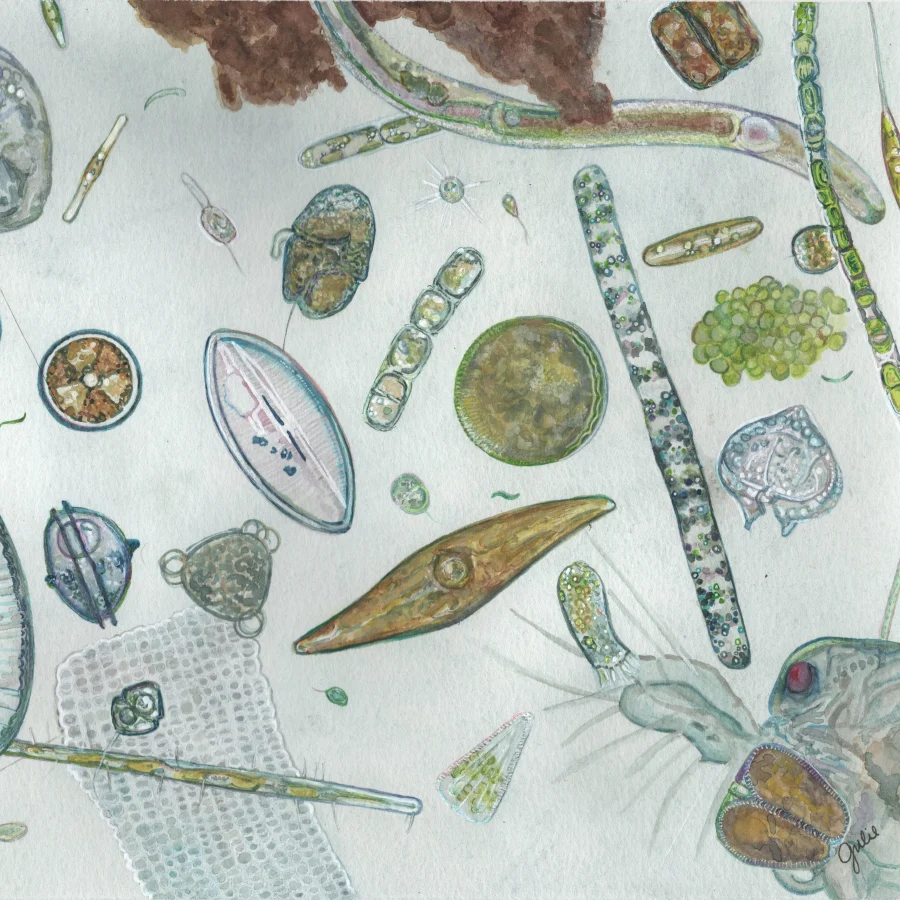
Critter of the Month April 2026, final piece. Artwork by Julie Trommatter.
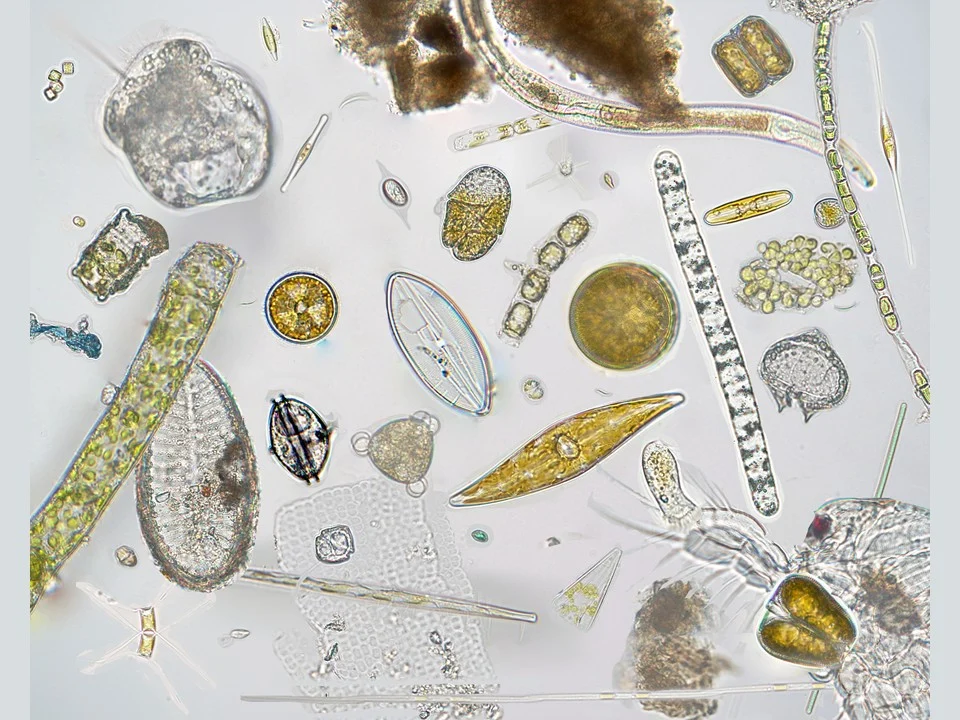
The original image that inspired the artwork.
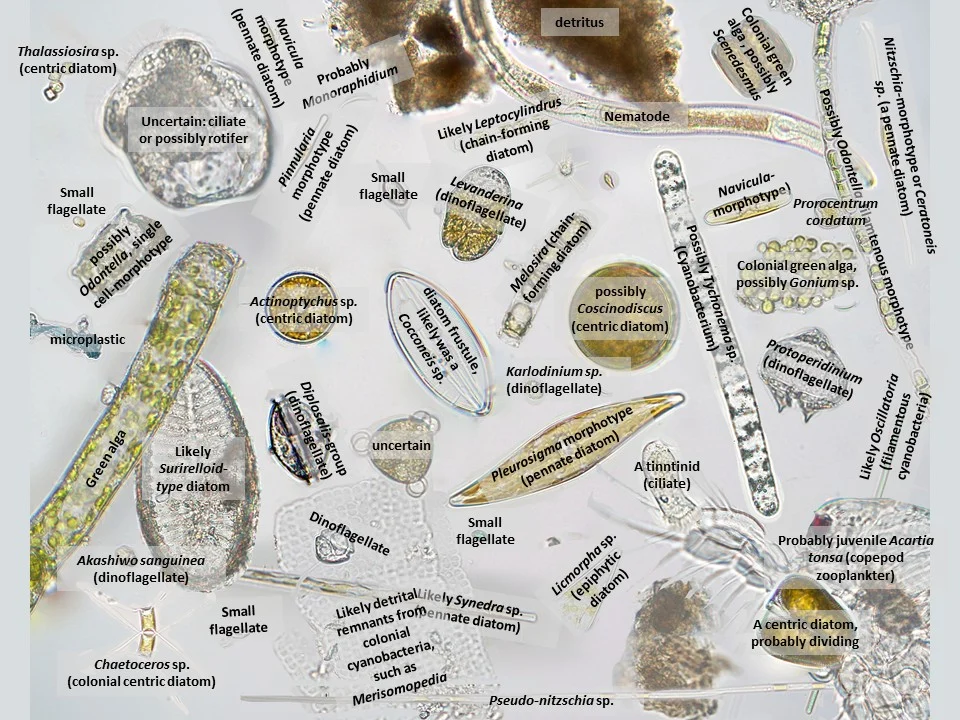
Original image with identifiers.
“It was important to us to convey a simple and positive message,” Malkin says. “Most of the essays are simply celebrations of these organisms’ ecology and how we study them with DNA; relatively few focus on the well-documented environmental issues affecting ecosystems locally and globally. There was a deliberate retreat from those issues because we want to invite all in, some of whom will stay for the science. Plus, the art brightens our days, and we wanted to give folks something enjoyable.”
Choosing watercolor interpretation rather than biological illustration was also deliberate, she says. Part of the project’s motivation is “to strengthen the ongoing connection between people and the Chesapeake ecosystems specifically,” and they wanted to make it as approachable as possible.
Trommatter says the project has been an unexpected delight, bridging two of her loves. Though her degree is in biology, she had started as an art major (she ended up with art as her minor).
“It’s just been this wonderful experience of getting to share my art with so many people, and it brings me a lot of joy to do that, but also…just being able to bridge the two is always the goal.”
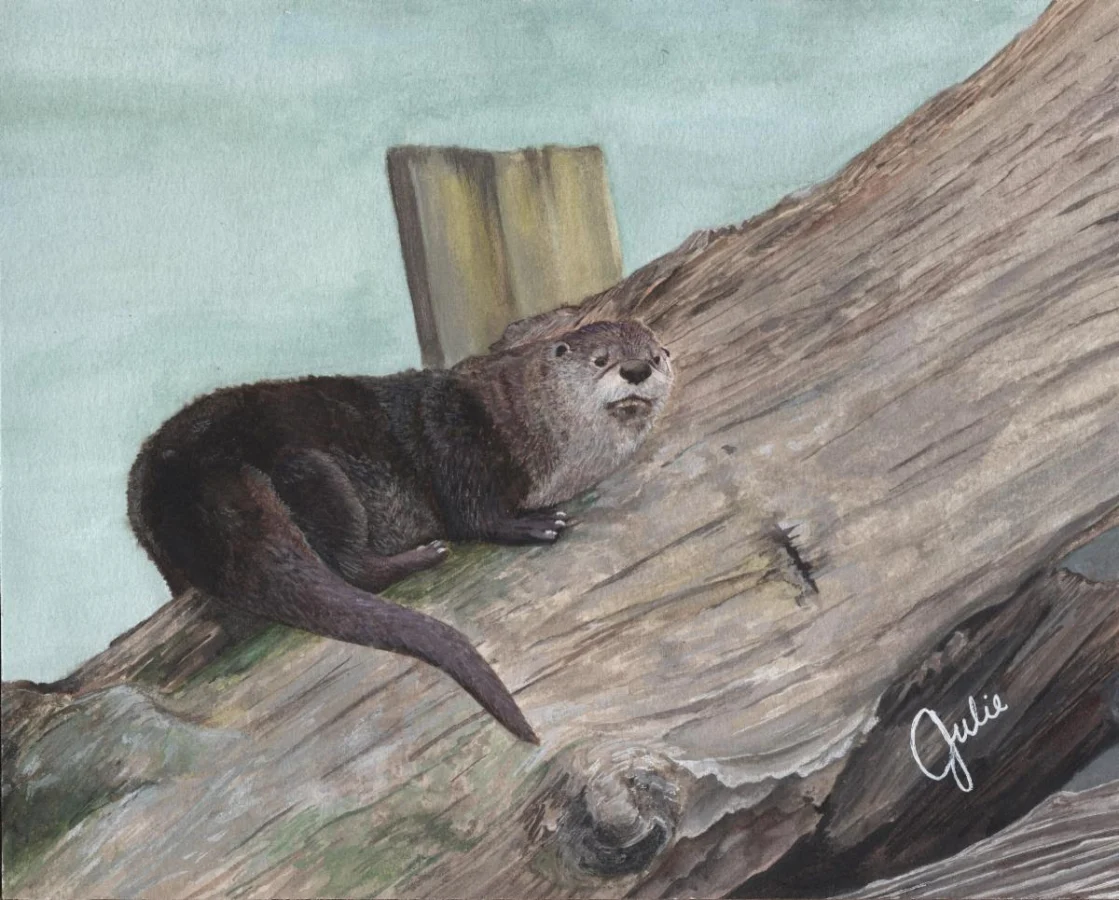
Critter of the Month, July 2026 – River Otter (by Julie Trommatter)
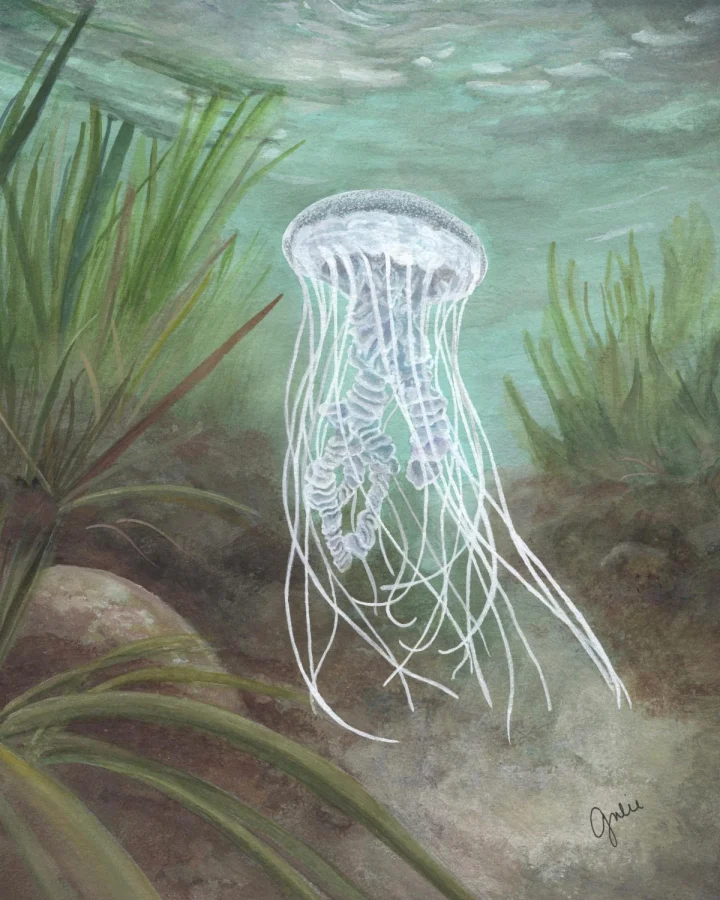
Critter of the Month, May 2026 – Atlantic Bay Nettle (by Julie Trommatter)
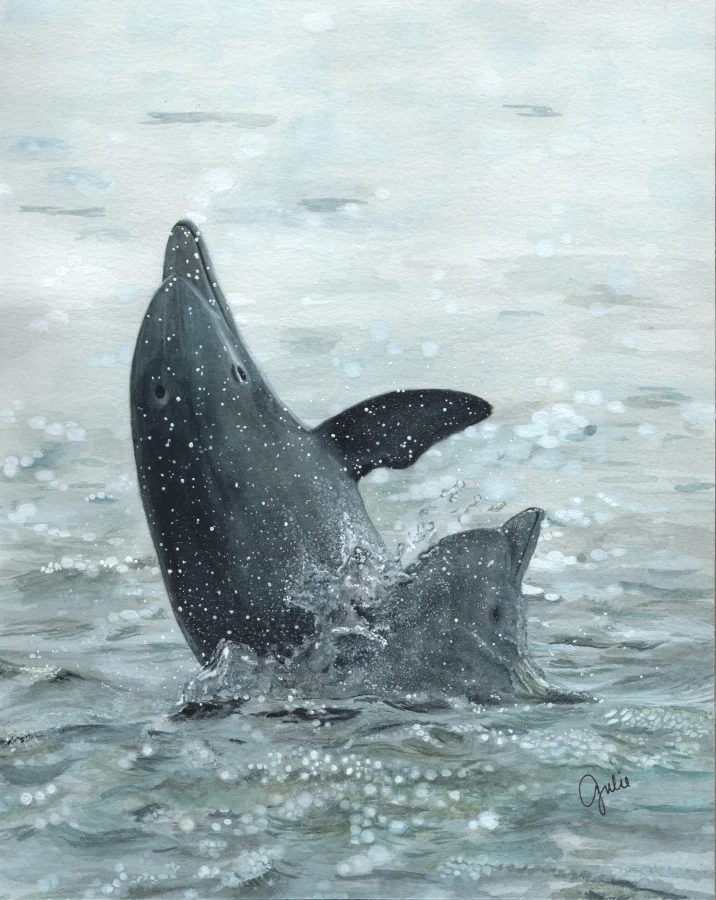
Critter of the Month, March 2026 – Bottlenose Dolphin (by Julie Trommatter)
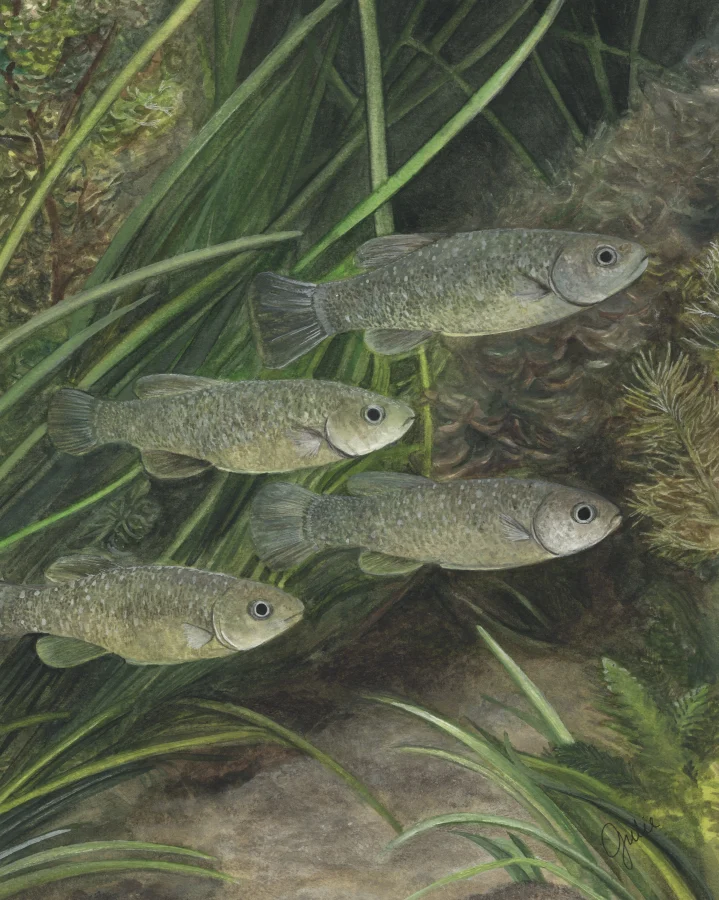
Critter of the Month, February 2026 – Mummichog Killifish (by Julie Trommatter)
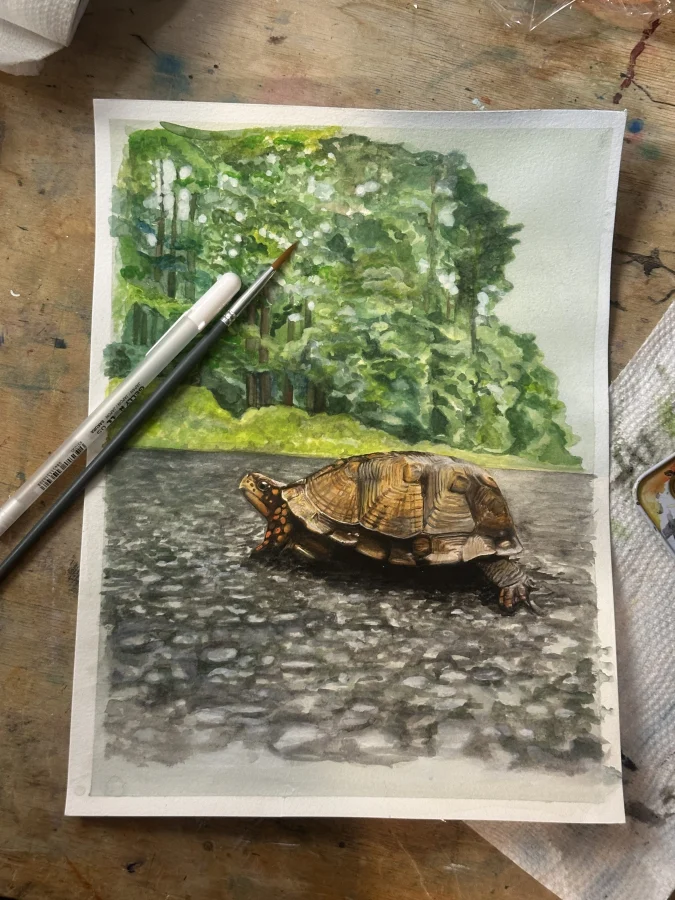
Critter of the Month, August 2025, in progress – Eastern Box Turtle (by Julie Trommatter)
Changing the Culture
The CIRCA-IMET Artist-in-Residence Fellowship began in 2019, Hill says, when UMBC Professor Tim Nohe, who was the founding director of CIRCA (UMBC’s Center for Innovation, Research, and Creativity in the Arts) approached Hill with the idea of a College of Arts, Humanities, and Social Science faculty member collaborating with IMET researchers. A goal was to create projects that resulted in public presentations and varying forms of community engagement.
“We are now in our eighth year, and we’ve had a string of fantastic artists,” Hill says. “And it’s really taken on vitality and looks as though it’s going to be sustained out into the future.”
IMET and CIRCA each contribute $3,000 for the fellowship. IMET provides office space for the fellowship’s one-year term, and the college permits a release from teaching one class during the fall or spring semester to focus on the project.

“What is the Shape of Water?” [photography series], by Lisa Moren with Dr. Tsvetan Bachvaroff. Twelve 16×16” digital photographs, 2020.
Typically, the artist will attend an IMET faculty meeting, give a short talk about their concepts, and then follow up with individual researchers to “figure out which match makes sense.” One of the higher-profile projects, Hill says, was the first, with visual arts Professor Lisa Moren. Working with IMET’s Tsetso Bachvaroff, a research associate professor who studies dinoflagellate evolution, she produced the otherworldly series “What is the Shape of Water?” based on bioluminescent dinoflagellates found in the Bay.
They also developed “Under the Bay (opens in a new tab),” which was exhibited in 2023-24 at The Peale Museum in Baltimore. An augmented reality project, “Under the Bay” uses live data from the Bay and an integrated app that provides an ever-evolving interpretation of organisms living in the water.
“Underwater sensors located throughout the Chesapeake Bay collect data on the water’s oxygen and salt levels, pH, temperature, etc.,” the project’s description says. “The live data streams into the app, allowing the stories, images, and electronic music to be driven by the current conditions of the water. The data from the Bay will direct how the organisms appear and how the story is told.”
In 2021, Associate Professor of Visual Arts Stephen Bradley teamed with IMET Associate Research Professor Eric Schott to create the Bio-Buggy, a mobile art and science laboratory that they presented in a variety of locations, including local schools.

IMET’s Bio Buggy
“That was just fantastic, because you park a strange thing somewhere where kids will see it, and you can just see it’s the curiosity that pulls them over to look at it right away,” Hill says. “And as soon as they start looking at it, and you pull up various images and things, the discussions continue.” Creative approaches like these, he says, “reach people in different ways.”
“To tackle the big environmental challenges, we need culture change, and to change culture in an organization or in society in general, that is a hugely hugely difficult thing to do. Bombarding people with more facts and figures is not the way to do it,” he says. “Artists have a very important role to play if we’re going to really have a culture change in the way we think about the environment, and we think about issues like carbon neutrality, sustainability, and biodiversity in the long run.”
Wendy Mitman Clarke is a science writer and sailor who lives on Maryland’s Eastern Shore. See more of her work at wendymitmanclarke.com