Appalachian Headwater Decision Support Platform (AHDSP)
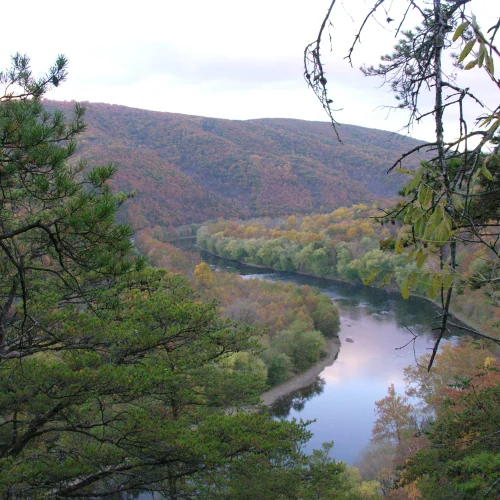
Appalachian headwaters supply drinking water, sustain biodiversity, buffer communities against flooding, and feed much of the freshwater reaching the Chesapeake Bay. Because conditions in these small mountain streams govern the sediment and nutrient loads flowing downstream, they are among the highest-leverage places to intervene for water quality across the entire Bay watershed. But Appalachian headwaters are among the hardest landscapes to model: steep, densely dissected terrain, fractured bedrock, interwoven forests and wetlands, and tightly coupled surface and groundwater. Existing modeling frameworks weren’t designed for these conditions, which limits their usefulness for restoration planning here.
Although decades of hydrologic and water-quality observations from representative Appalachian headwater watersheds provide a valuable scientific foundation, they have not yet been translated into practical, field-informed decision-support tools for watershed restoration and management. As a result, resource managers lack an effective tool to evaluate restoration scenarios, quantify environmental benefits, and prioritize watershed investments before implementation. The AHDSP will evaluate restoration scenarios, estimate hydrologic and water-quality responses, identify critical source areas, and support science-based watershed management decisions.