Summer 2026 Blog

Week 1: Kicking Off the 2026 IMET Summer Internship
The 2026 IMET Summer Internship cohort has officially arrived. A new class of undergraduate researchers stepped into the Inner Harbor ready to learn, ask questions, and get their hands on real science.
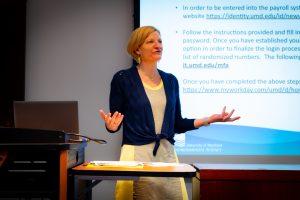
The interns were welcomed with an introduction by IMET Dr. Jenn Burns, Executive director at IMET. followed with remarks that set the tone for the summer: the work ahead matters, and the world needs their ideas, their questions, and their courage to seek solutions.
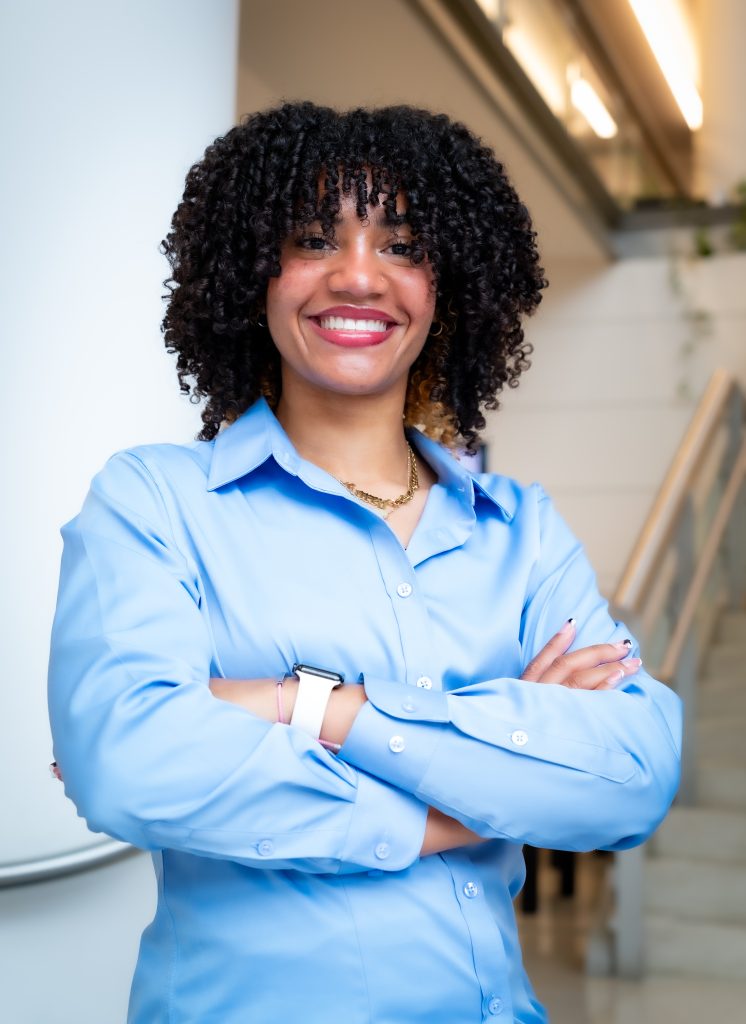
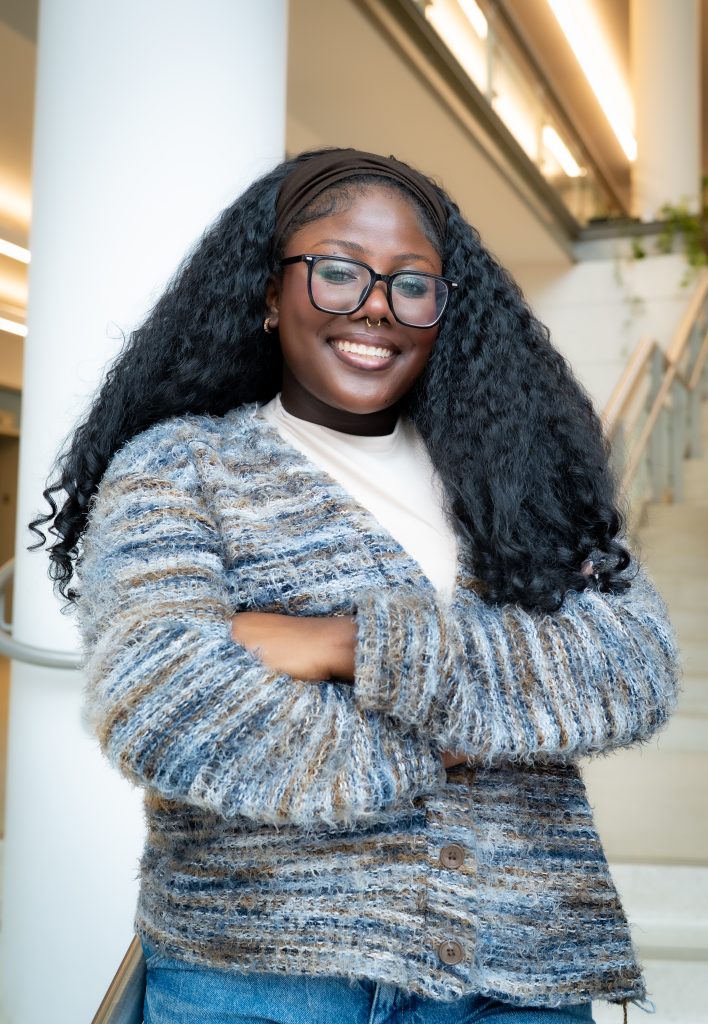
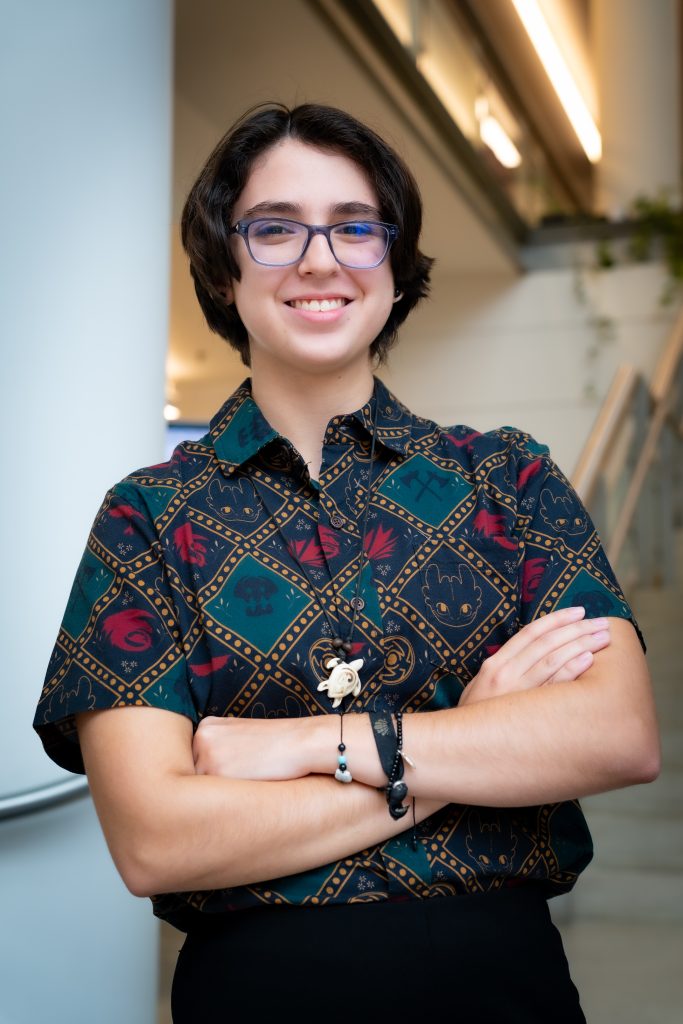
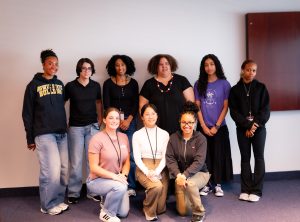
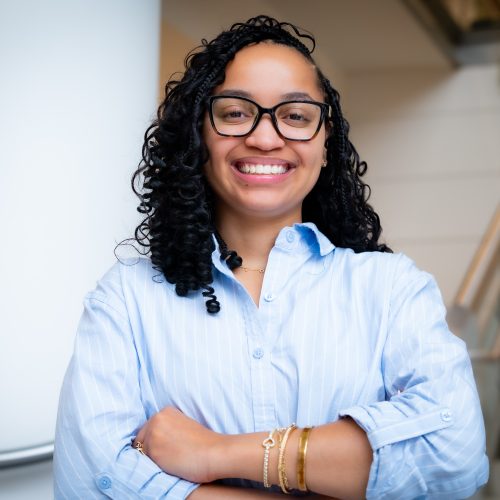
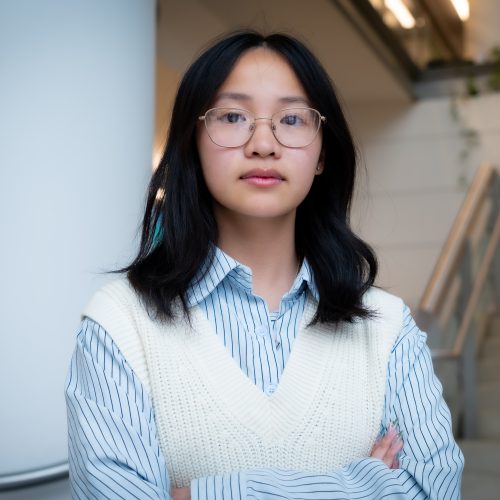
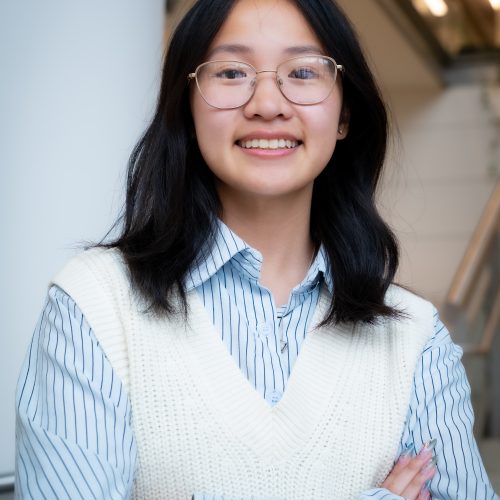
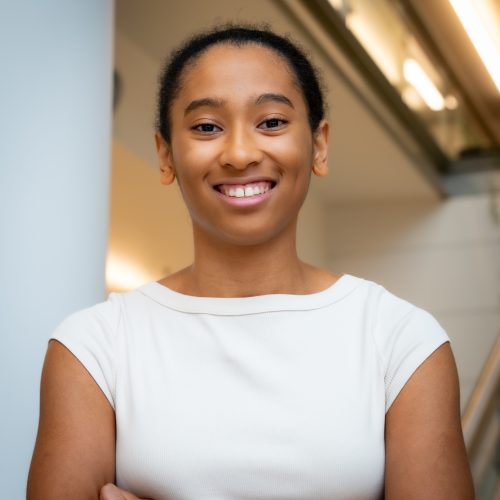
After breakfast and introductions, interns jumped into onboarding: paperwork, program expectations, and receiving their security and digital badges. They also took professional headshots to mark the beginning of their scientific journey.
From there, they toured the building, met their mentors, went on our famous Aquaculture Research Lab (ARC) tour and stepped into the labs where their summer research will take shape.
A Program With Purpose
The IMET Undergraduate Summer Internship Program has a legacy of equipping undergraduates with a focus on students from underrepresented or underserved backgrounds. For over 20 years, IMET has provided undergraduates with the tools, mentorship, and research experience needed to thrive in science. Interns are matched with a Principal Investigator (PI) to work on a dedicated project in one of IMET’s three key focus areas:
- Sustainable Seafood Production
- Environment, Animal, and Human Health
- Energy, Water, and the Environment
Throughout the summer, interns will go beyond benchwork. Weekly seminars, field experiences, and science communication workshops round out their training, helping them grow not only as researchers but as well-rounded science professionals.
Interns wrapped up the week with an ARC tour, a full building walkthrough, and their first afternoons in their assigned labs. By Friday, the cohort gathered in the G-020 Boardroom for a lunch and week review, a chance to decompress, share first impressions, and get a preview of what is ahead.
Meet the 2026 Interns
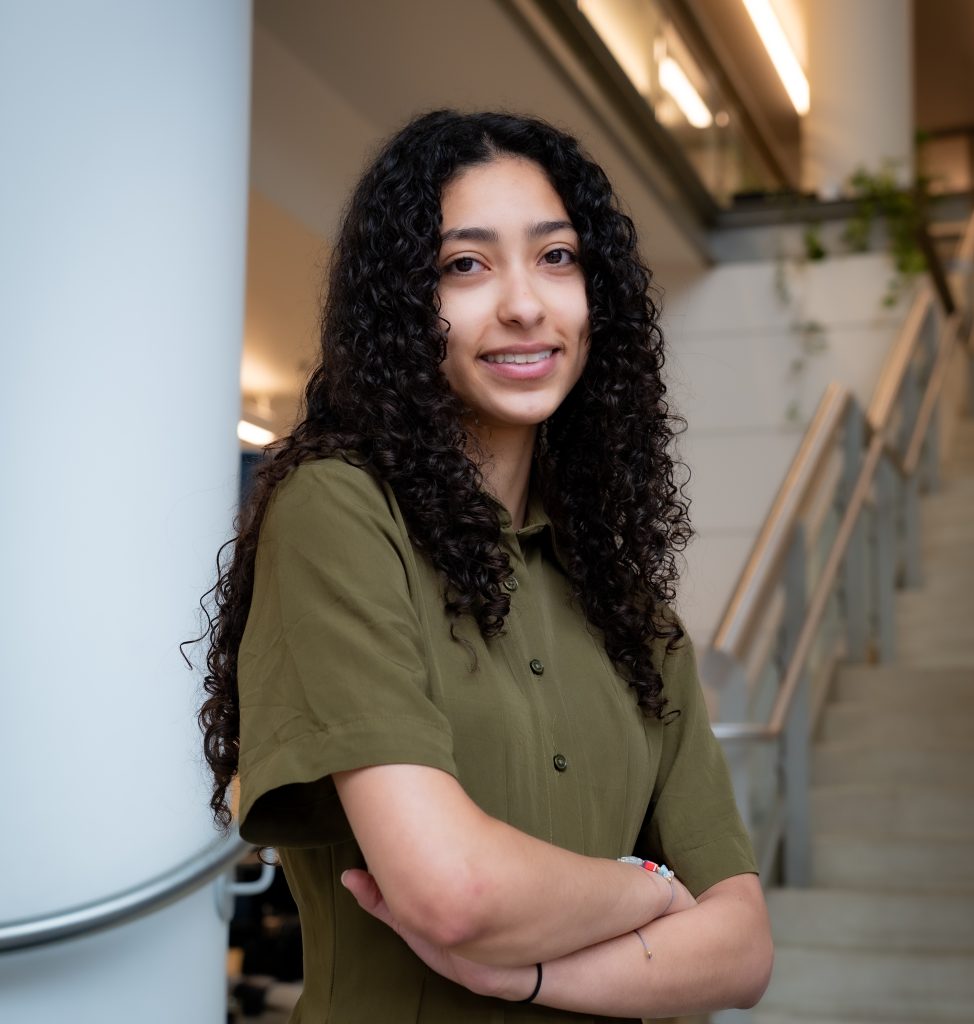
Name: Ysabella Marin
School: Susquehanna University
School Year: Junior
Major: Biology
From: Frederick, Maryland
Mentor: Kieran Szelong & Russell Hill
Current Career Goal: My life goal after receiving my bachelor’s degree is to pursue a master’s degree in marine biology to become a marine biologist with an interest in virology.
Name: Corey Bradley
School: Bowie State University
School Year: Sophomore
Major: Biology
From: Fayetteville, North Carolina
Mentor: Ally Kido (Tracy Lab)
Current Career Goal: My current career goal is to be an environmental lawyer.
Name: Asia Trogdon
School: Towson University
School Year: Senior
Major: Molecular Biology, Biochemistry, and Bioinformatics
Name: Mariangeli Maldonado
School: Universidad Ana G. Mendez
School Year: Sophomore
Major: Biology
From: Guaynabo, Puerto Rico
Mentor: Vijay Hemmadi
Current Career Goal: I wish to pursue a PhD in biological sciences!
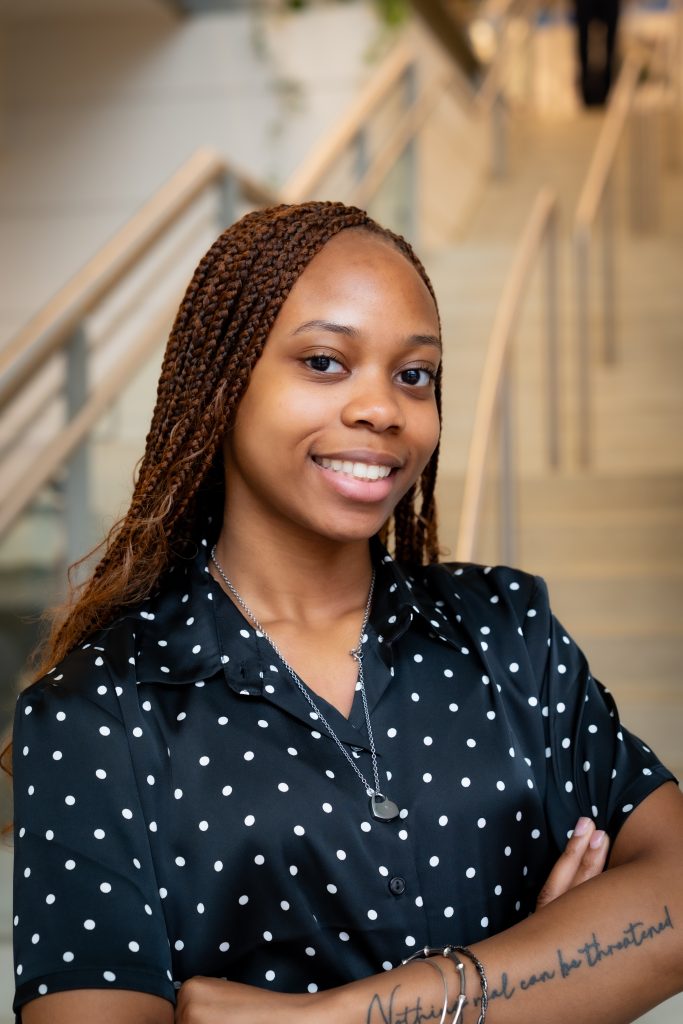
Name: Kenya Samuels
School: Coppin State University
School Year: Junior
Major: Biology
From: Baltimore, Maryland
Mentor: Danielle Staggers
Current Career Goal: I’m going to PA school to be a Physician Associate and specialize in OB GYN. I feel like women’s health is superior due to the lack of research on our bodies so, being in this specialty will definitely unlock new knowledge about the female body and also help patients who are just like me as well.
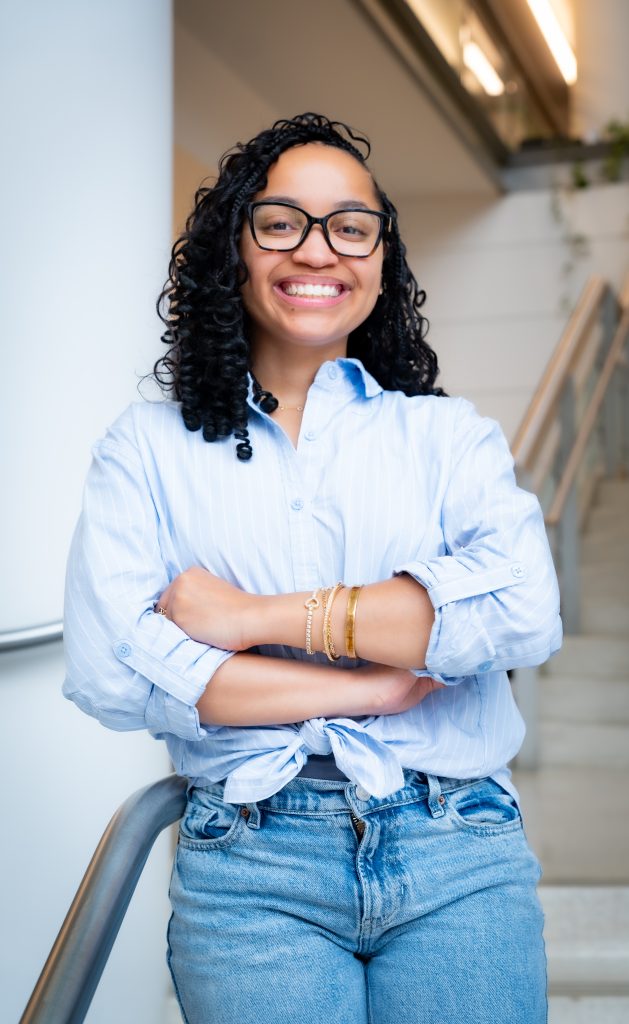
Name: Myleia Ballatt
School: Morgan State University
School Year: Senior
Major: Biology (Pre-Med)
From: Pikesville, MD
Mentor: Dr. Djik Maoyu
Current Career Goal: I am a current graduate of Morgan State University, planning to use my degree to further my education and get my masters in biomedical science. My aim is to become a physician scientist.
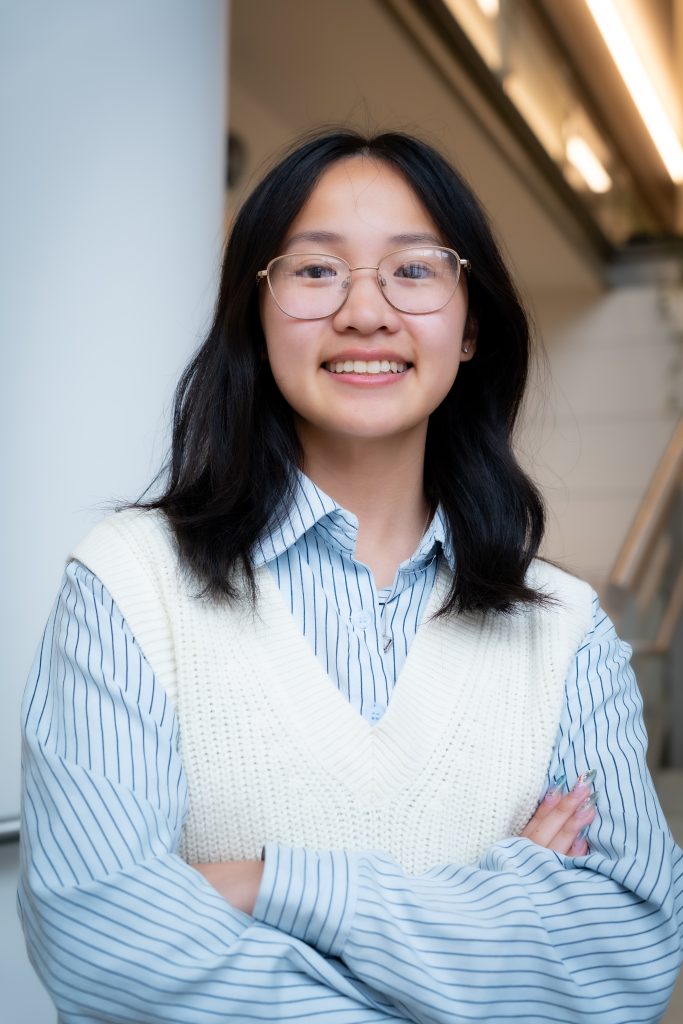
Name: Jenny Ha
School: University of Maryland
School Year: Junior
Major: Environmental Science and Policy
From: Hagerstown, MD
Mentor: Dr. Taylor Armstrong
Current Career Goal: I aim to pursue a career in the urban environment, creating green infrastructure solutions for sustainable cities.
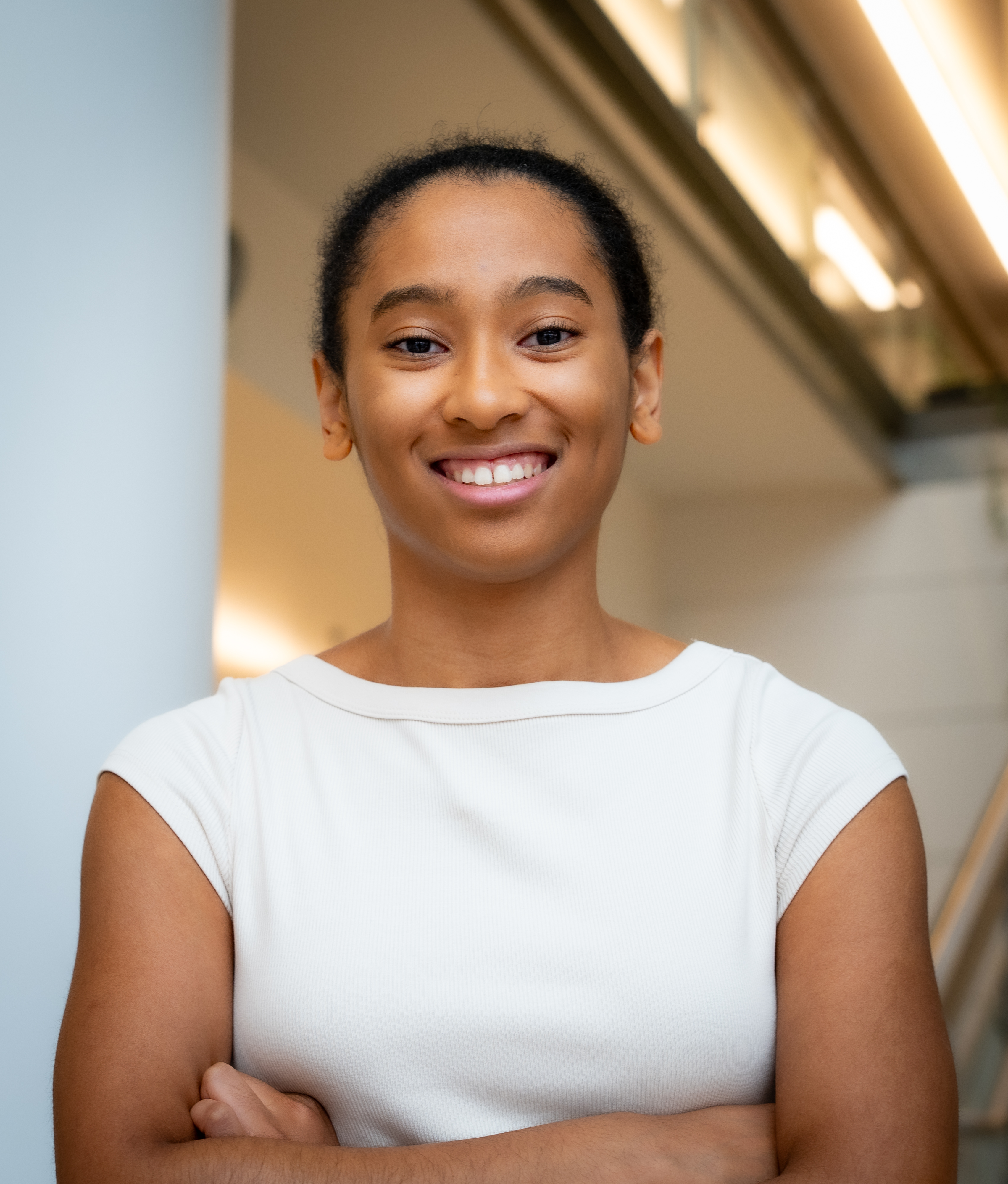
Name: Sofia Morais
School: University of Arizona
School Year: Sophomore
Major: Molecular and Cellular Biology
From: Fulton, MD
Mentor: Yi-Ying Lee
Current Career Goal: I plan to pursue a Ph.D. in Environmental Molecular Biology and later work at a biotechnology company.
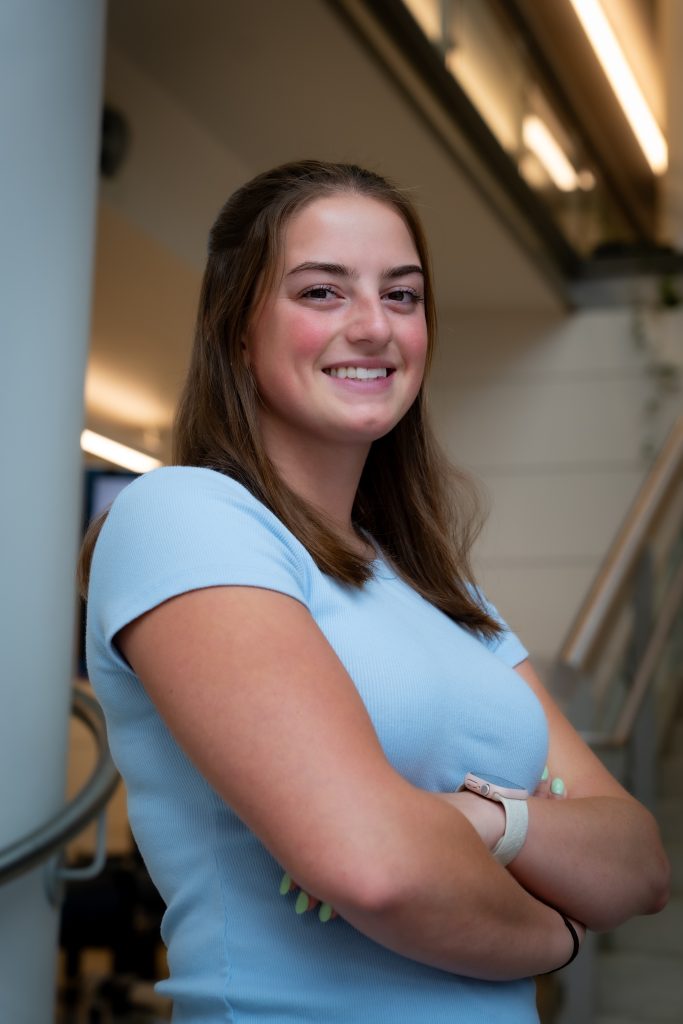
Name: Cora Dieguez
School: Coastal Carolina University
School Year: Senior
Major: Sustainability and Coastal Resilience (minor in Marine Science)
From: Annapolis, MD
Mentor: Emily Jolly (grad student) & Al Place (lab director)
Current Career Goal: I graduated in May and this fall I’ll be working with NOAA through the Chesapeake Conservation and Climate Corps, gaining hands-on experience in environmental monitoring, field research, and data management. My goal is to continue working with NOAA and support environmental restoration and research initiatives.
Week 2: Science Speaks! Finding Poetry in Research
The novelty of Week 1 has worn off, and that is a good thing! By the second week, the 2026 IMET Summer Internship cohort had begun to settle into the real rhythm of research: showing up, asking questions, and learning by doing. Orientation was behind them. The work was ahead.
In the Lab
Monday through Wednesday, interns were in their labs learning new techniques, getting comfortable with equipment, and building the kind of trust with their mentors that only comes from showing up and trying. By Thursday, each intern had a clearer sense of the project they would carry through the summer.
The mentors have made all the difference in those early days. As intern Ysabella Marin put it:
My mentors have been nothing but nice. They take the time to explain things to me when I don’t know or am unsure about it. I really appreciate them so far with the things I have been learning these two weeks. I look forward to seeing what comes next and learning more techniques from them.”
Workshop Spotlight: The Poetry in Science
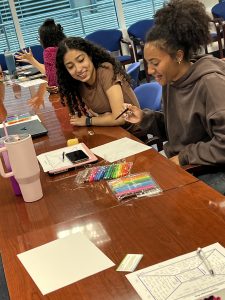
On Thursday, the interns stepped away from the bench for something unexpected. Dr. Kathleen Gillespie, a IMET PhD alumna led a writing workshop exploring the intersection of science and poetry. Dr. Gillespie has built her career in science while writing and publishing poetry throughout it, and she shared how that creative practice has helped her connect with people outside her field.
Interns tried two exercises. In the first, they worked with two lists of words: science terms like theory, discovery, beaker, and test tube, alongside poetry terms like art, emotional, dramatic, and symbolism — and wove them into any narrative they chose, with no requirements, just their own thoughts. In the second exercise, interns took the abstract of a scientific paper and created a “subtractive poem,” removing words until a poem emerged from the language already there. The science, it turns out, had poetry in it all along.
Here what some of the interns thought of the workshop:
I feel the poetry workshop was a very creative way to explain scientific findings and research. The intersection between science and art is one that people rarely venture into because of the norms of science being looked at as “serious” or “hard,” but to find that common ground between the two adds an exciting component in explaining your research/ findings, which makes other people who are not in a science-related field intrigued.
Week 3: Telling the Story of Science
By Week 3, the IMET Summer Interns had settled into their research projects and were spending most of their days immersed in the lab, collecting data, learning new techniques, and making steady progress alongside their mentors. That made this week especially exciting, as interns had the opportunity to step away from the bench and participate in the two-day Integration and Application Network (IAN) Communication Workshop. The change of pace gave everyone a chance to collaborate with one another, think creatively, and develop a new set of skills that are just as important as conducting scientific research.
The IAN Communication Workshop was a highlight of the internship experience, introducing interns to the art of science communication. Throughout the two-day workshop, participants learned how to identify their audience, simplify complex scientific concepts without sacrificing accuracy, and use storytelling techniques to make their messages more engaging and memorable. Through interactive discussions, hands-on activities, and collaborative exercises, interns practiced transforming technical information into clear, compelling narratives while receiving feedback from instructors and peers.
On the first day, interns explored the foundations of effective science communication and learned why thoughtful messaging is essential for connecting with the public, policymakers, and fellow scientists. They participated in engaging exercises that challenged them to organize their ideas, focus on key messages, and think critically about how different audiences interpret scientific information.
The second day built on those skills by giving interns additional opportunities to practice and refine their communication techniques. As they worked through presentations and interactive activities, their confidence continued to grow, and the energy in the room reflected how much they enjoyed applying what they had learned. By the end of the workshop, interns walked away with practical tools they can use throughout their academic and professional careers, along with a deeper appreciation for the important role communication plays in advancing science.
Stay tuned for Week 4, when the IMET Summer Interns will trade the lab for the field on their first field trip of the summer—an exciting opportunity to explore science beyond the bench and experience firsthand how research connects to the environment.
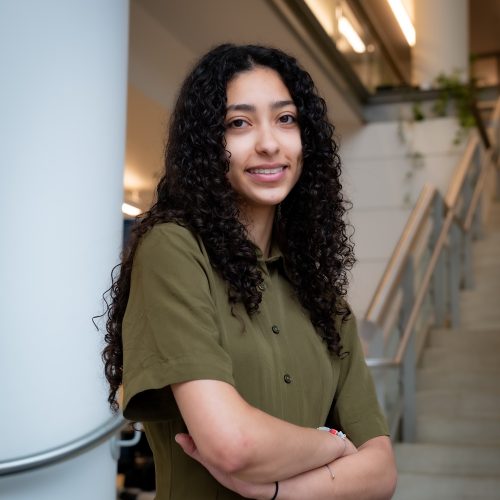
The workshop was a fun way to learn about new techniques. Not knowing how to use Abobe Illustrator or InDesign, I enjoy drawing the fish and creating a poster that I can design to my own liking. There was a drawing game on the first day and it definitely put to the test in how well we can draw to describe the description that we were given. It was fun and nice to spend those days together and just enjoy each other company.
Week 4: Beyond the Beaker – Research and Career Insights
Week 4 was short due to the Fourth of July Holiday, but still filled with plenty of learning and activities! The interns are getting settled and comfortable in their labs and working on their projects, which are now in full swing.
Intern Check-Ins:
Check-ins are a time for interns and the Program Coordinator to touch base about each intern’s individual experience with the program. Discussing how each intern’s research project is progressing, how they are working with their mentor, whether they are getting value from the professional development activities, and whether they are getting what they need from the internship experience ensures that each intern’s individual goals are being met. Intern Sofia Morais, mentored by Dr. Yi-Ying Lee, shared:
I’ve begun taking growth measurements of my algae cultures, and it’s exciting to obtain data on something that will benefit the future work of the Li Lab. I have never taken cell density measurements manually with a microscope, so this work has been helpful to gain experience with a new technique.”
Career Talk: Simon Brown, MD, DNR
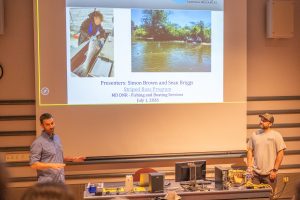
On Wednesday, Simon Brown and Sean Briggs from the Maryland Department of Natural Resources (DNR) came to IMET as seminar speakers and presented their research on Striped Bass. The pair reviewed the results from their long-running striped bass population surveys and elaborated on how their surveys are being used to gain insight into the population. The seminar emphasized the importance of data sharing in the scientific world. For example, scientists can use data from State agencies such as the DNR to help them understand results from other studies. Intern Ysabella Marin, working in Dr. Hill’s lab, thought “the seminar was interesting as he spoke about his survey and how he measures the fish that he catches. I like how they said that they capture more than one type of fish, even though bass are their primary target. I also like the scale of age that they found, and, interestingly, males are “younger” in age than females during the mating season. It made me think that this can be done to any other type of fish or possibly other marine life.”
Graduate Student Anne Baldino DNA Workshop
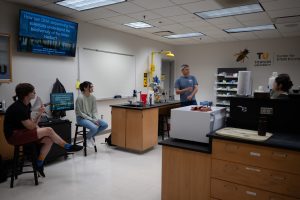
On Thursday, Graduate students Anne Baldino and Sam Christenson, along with faculty member Dr. Tsetso Bachvaroff, provided our summer interns with a day-long workshop focused on how DNA can be used to better understand biodiversity in aquatic systems. Students spent the morning in Towson SciTech’s lab learning about water samples taken from the Inner Harbor and using a variety of techniques to identify the microscopic organisms living in it. How do scientists identify such microscopic organisms? – DNA!
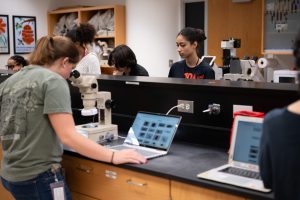
To start, Anne, Sam, and Dr. Bachvaroff demonstrated how the researchers could use microscopes and pictorial keys to visually identify species. The interns found this to be a fun game, but very challenging. In the afternoon, the interns learned how to identify species based on their DNA. In this approach, a scientific program called BLAST (Basic Local Alignment Search Tool) is used to compare DNA sequences obtained from the water sample to DNA sequences in the BLAST database. Matches confirm the identification of organisms in the water sample. BLAST is a commonly used scientific tool, and now our interns know what it is and how to use it – something that will be helpful if working with DNA in the future.
Intern Spotlight: Asia & Ysabella

Ysabella Marin, 2026 IMET Summer Intern
Ysabella Marin
“I applied to this internship because it would have something related to what I’m going to become. I’m in Dr. Hill’s Lab and Kieran is my mentor. I’m looking at finding probiotic bacteria in two algal strains to see whether or not they could help with CO2 reduction. What I like about it is that I’m learning new techniques. So there’s definitely many things that I haven’t learned before or like I heard about it, but I haven’t had the skill in it.”
“My goal in life is to become a marine biologist. I think this internship really helps just experimenting with aspects of being a marine biologist, as I want to focus more on marine animals. However, I’m working with microbes, so it’s very cool to see the two different aspects, so I can see if I truly want to work with marine animals or if I want to stay with the microbiology aspect of it.”

Asia Trogdon, 2026 IMET Summer Intern
Asia Trogdon
“I applied to this internship for two reasons. My first one being that I wanted a lot of hands-on experience in my field, especially like science. I felt like it was interesting to work within your environment. I also like that it was local. I feel like sometimes in the city, like I forget that a lot of like science places are like local to me, so I thought that was nice.”
“ I actually want to be a research scientist. So, I feel like this really correlates with what I want to do. I feel like right now I’m in the process of identifying what I want the research to be on. So getting this exposure to marine life, which I’ve never had before, I feel like it’s good, it’s a good step for me.”
Week 5: Connecting the Dots – From Fieldwork in Oxford to Grad School Prep
Week 5 is a busy week with a field trip and a graduate student panel: the all-day field trip to the Cooperative Oxford Laboratory on Wednesday and a graduate student panel on Friday. Between these activities, they are working hard on their projects and learning from their mentors.
Field Trip: Cooperative Oxford Laboratory
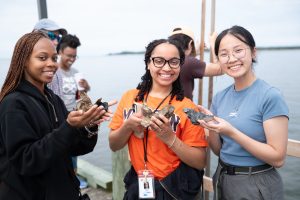
The van leaves at 8:00 am on Wednesday with very sleepy interns, but by 10:00 am, they are full of energy as they pull into the driveway at the Cooperative Oxford Laboratory. Greeted by Bart, John, and Krysta, the group was introduced to the many things that happen at the Laboratory with NOAA, MD DNR, and the Coast Guard.
The students traveled to the dock to get an up-close look at the monitoring system the lab has set up and the intricate pieces that capture different environmental parameters. The excitement got palpable when they had the opportunity to use hand tongs to gather oysters from the water as watermen do. They were very proud of their collection!
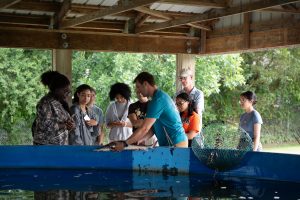
Next, they went to see a very cool fish – Atlantic Sturgeon! This “living fossil” with scutes instead of scales is endangered, and the monitoring program brought up a lot of questions from the interns about how the equipment used for monitoring works.
After having fun with the Sturgeon, they headed to the pathology, histology, and virology labs with Ava, Rose, and former IMET student Ammar, who works for MD DNR. The afternoon was all about getting to know the town of Oxford and community resilience. Oxford, being on the Eastern Shore of Maryland, is facing constant issues with flooding and is actively taking measures to better prepare for this issue. To better understand and learn about community resilience, the students went on a bingo scavenger hunt that was very competitive and fun. Throughout the field trip, students were able to connect what they were doing for their research projects with research happening in Oxford.
Take a look at what the interns had to say about the field trip:
This week felt like the most important in terms of considering our future. From the Cooperative Oxford fieldtrip to the graduate student panel, we were able to connect with people who took various paths when it came to academia or their career. Pursuing a graduate degree can be a stressful time for many rising seniors, so I was comforted by everyone’s advice. My favorite moment was the scavenger hunt, where we explored Oxford’s community efforts to combat sea level rise. The science done at Oxford serves to help people, and that’s the science I want to be involved in.

Oxford, MD Bingo Scavenger Hunt
Graduate Student Panel
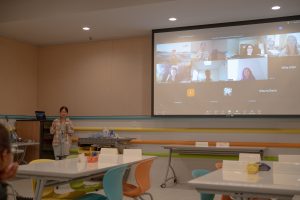
Friday lunch included getting questions about graduate school answered by graduate students. Many of our interns are considering or planning to attend graduate school after graduation, so led by MD Sea Grant and in collaboration with other UMCES Labs, our students had the opportunity to have their questions answered. There isn’t a guide to graduate school, or at least that’s what we thought. At the end of the panel, a guide created by a graduate student was shared with the interns to provide some basic information and reminders as they consider grad school as the next step. Conversation continued after the panel ended among our students, expanding to include options for international graduate education and what that looks like. Here’s what Corey Bradley, an intern working in the Tracy Lab, had to say about the graduate student panel.
“The graduate student panel was very informative, and I took away many valuable insights that will help me when I apply to graduate school. Hearing about the panelists’ different academic journeys and research experiences made the idea of graduate school feel less intimidating. Overall, Week 5 was very engaging and provided valuable insight into both the current applications of scientific research and the future opportunities available in the field.”
Intern Spotlight: Mariangeli & Cora

Mariangeli Maldonado, 2026 IMET Summer Intern
Mariangeli Maldonado
“I’m currently working on the microbial bioremediation of pollutants in the water. I really like that it kind of feels close to home because back home I was working with biofilms and microbiology and this research is anaerobic microbiology, also with biomes, but it’s the opposite head of the coin. Here it’s anaerobic and we want to ferment the biofilm growth. So I really like that it’s something I’m kind of familiar with but still a completely different world and how much I’m learning about microbiology and the process; all the little things that I never thought even existed.”
“It’s a really good community here at IMET and the lab I work in. I really like how different it is from anything I’ve ever done and anything I could have hoped to do. I’ve only seen these anaerobic chambers in movies and sci-fi, now I’m the one putting my hands there. So it’s really fun. It’s really cool. It’s very relevant, I like the applications that this investigation has for like actual world problems.”
Cora Dieguez
“I decided to apply to the IMET internship because I thought it was a really great opportunity that’s offered in Maryland, and Maryland doesn’t have too many undergrad opportunities research wise. So I thought it was a really good opportunity to get more hands-on experience in the lab.”
“I eventually want to end up doing some sort of marine lab or conservation work, whether that’s in the field or in the lab or both. I would love to do that and I think this experience is kind of like pushing me to do that and giving me the skills that I need to make that possible.”

Cora Dieguez, 2026 IMET Summer Intern
Week 6: Head Down, Eyes Ahead
Deep in the Data
The summer interns have reached the point of the program where they are running their research project with the assistance of their mentors, data is being analyzed, and presentation preparation is beginning. The interns can now explain their work to visiting students and organizations from around Baltimore and neighboring communities who want to learn about IMET and the research being conducted.

Christina Long MD Sea Grant/IMET Intern with Parks and People students explaining BioDiscs collection from the Baltimore Inner Harbor
Bench to Business Workshop with Dr. Nina Lamba
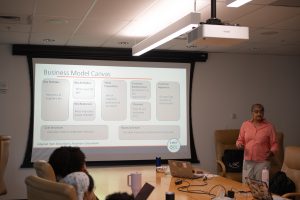
This Friday, Dr. Nina Lamba, IMET Assistant Director and Harbor Launch Director, gathered the summer interns for her Bench to Business Workshop! Dr. Lamba discussed her journey before arriving at IMET and her current role with the institute as the Assistant Director. The true focus was for the interns to understand how to take their research from the bench to the world outside of the lab in entrepreneurship. The students first
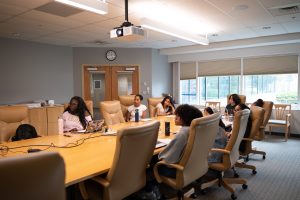
learned the different things that need to be considered when beginning this process, what questions to ask, what problem you are solving, whether you are enhancing an existing innovation, etc. They were then tasked with taking an everyday ordinary item, like a pen or a straw, and brainstorming a way to enhance it and present the idea in a pitch. The interns also got to see examples of different companies that currently exist at IMET that are taking bench work and have a business, as well as graduate students who have completed Dr. Lamba’s REEF program and went on to create their own business from their research. The interns walked away with a deeper understanding of a business model.
Here is what intern Ysabella Marin had to say about the workshop:
“The workshop was nice, essentially she allowed us to understand that even if you don’t know what you’re going to be doing at the end of your career or education, that everything will come at its moment. Also, the activity that was done, SCAMPER, was also another good way to view things and see how it can be changed from its original form and add things that you usually don’t see.”
Intern Spotlight: Kenya

Kenya Samuels, 2026 IMET Summer Intern
Kenya Samuels
“My research project is based on gene expression with liver cells and reproductive cells using an herbicide called Atrazine and we’re just testing to see what genes are being expressed when that organ system is going into toxicity. What I like about it is that I’m learning step by step, so I learned the RNA sequence, qPCR, and then coming up with my own complementary DNA strand.”
“I do want to be in the medical field, but I want to be behind the scenes, so like a medical laboratory scientist. So what I’m doing now is basically similar. I am gaining hands-on experience to go that route.”
Week 7: Networking and Industry Knowledge
The interns are beginning to wrap up their research projects as they prepare for their final presentations. The final two weeks will be full of practice, wrapping up final details, and enjoying time with the cohort. Here is what the interns have to say about what they’re doing in their labs:
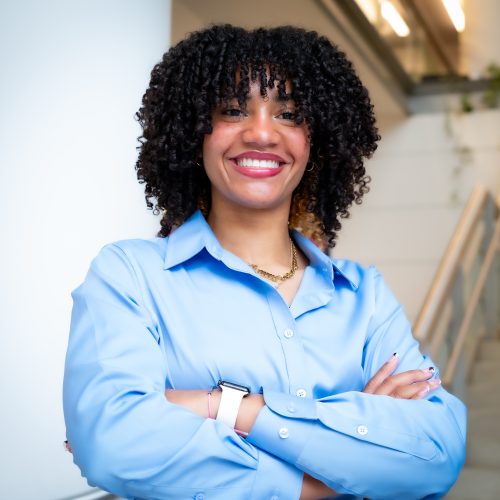
I am currently running my second trial on my filtration project and collecting more data on the oysters
Tour at Illumina
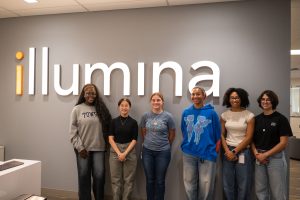
This week the interns took a tour of Illumina, a global genomics lab that is pioneering many technology advancements that empower research to happen in many scientific fields. Lucky for Baltimore, one of their hubs is here only minutes away from IMET. Victoria and Jacob gave the interns a tour of the lab, which included very sophisticated DNA sequencing equipment. They learned how machines can prevent contamination or even cut down on human error. Seeing the different innovations and capabilities of the machines over time was very interesting and eye-opening to possibilities.
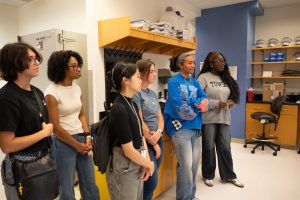
The students rounded out the tour with questions about Victoria and Jacob’s career paths and majors in college. They both majored in the sciences and praised the students for doing an internship over the summer, explaining how it is a good way to build experience for your resume when applying to jobs that are asking for one or two years of experience when you have just finished college. They also encouraged them to be persistent when applying to jobs, because finding that first job can take time, but it will come. By the end of this field trip, the students could really see how what they are doing in the labs this summer can translate into a job for the future, and another potential career path and company was unlocked.
The lab was very interesting to see. I am glad I am getting to experience other applications of science and tour different research areas.” – Corey Bradley
Visit from Morgan State PEARL
This Friday was full of networking with peers as interns from Morgan State University PEARL Internship Program visited IMET. The students received an overview of IMET from Dr. Russell Hill, followed by a tour of the National Aquarium’s floating wetland and discussion of research by Ronita Sequeira, and a tour of IMET’s Aquaculture Research Center by Dr. Keiko Saito. The highlight of the day was the interns networking over lunch, followed by intern-led lab tours. Interns shared their research projects and answered questions from the PEARL interns, discussing similarities and differences between projects happening at PEARL and IMET.

Morgan State University PEARL Interns in the Aquaculture Research Center
Intern Spotlight: Sofia and Corey

Sofia Morais, 2026 IMET Summer Intern
Corey Bradley
“I hope to get out of this internship experience just literally experience. Being able to say I learned a lot of things over the summer and I got to do a lot of things, which I feel like I get to do every day.”
“I aspire to be an environmental lawyer or marine biologist, and considering this is focused on both of those things, policy and planning, and things like learning about your environment will help me to be able to better communicate and advocate for those things.”
Sofia Morais
“I’m working with an algae called Chromochloris zofingiensis. Just taking the basic growth measurements to see what kind of trophic conditions the algae likes. I really like this work because I haven’t had a lot of experience doing cultures, especially algae cultures. So I think it’s cool having a different experience.”
“I hope to get more lab skills that I haven’t had the experience of doing either in college or other labs I’ve worked in at school. So I think it’s been cool that I’ve gotten to do a lot more culture work and I think also just learning from my mentor and just what it’s like to work in the lab every day.”

Corey Bradley, 2026 IMET Summer Intern
Week 8: The Home Stretch
Week 8 was quiet but intense, shifting from wrapping up experiments to working on their presentations and practicing with their peers. While interns have been practicing their presentations all week, the big practice day was Friday.
Presentation Practice
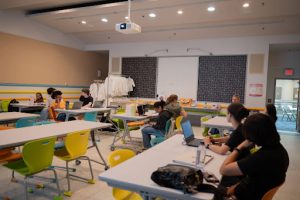 This Friday’s presentation practice was full of both excitement and nerves, which is normal. Most of all, the room was full of support for one another among the interns, who gave both constructive and positive feedback as each presented their research. This presentation practice was valuable to allow the interns to feel more comfortable with presenting their research and explaining their concepts.
The practice ended with each intern receiving an IMET t-shirt to remember their internship journey, and a lovely printed painting by a former graduate student, Olivia Pares.
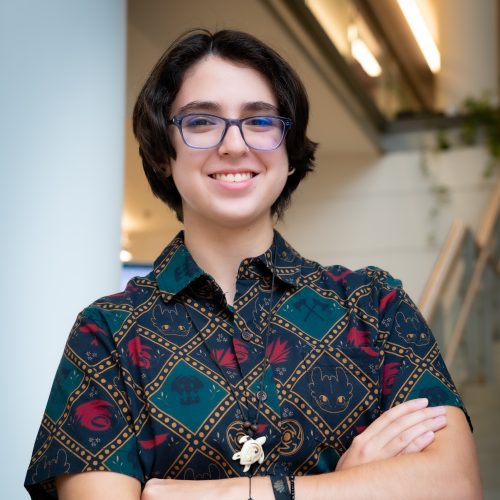
My project has gone by better than expected. Sure it’s been a rocky path, with many of the recent testings going wrong, but putting everything together now lets me see how much work has been put into this project. Not just from me, but from my lab and the researchers that came before me. It’s such a wonderful experience to be part of something like this, to come in every day and learn something new. Time flew by, and a part of me wishes I could stick around and do even more. I feel very fortunate to be in this internship and do all these things, to have a good mentor that’s taught me from the basics to the complicated procedures. I’ve thoroughly enjoyed my time here at IMET, and I couldn’t be more excited to see how everyone else has been doing as well. See the other projects, what results they’ve gotten. The final presentation is nearing and I can’t wait to just share all this cool science we’ve been doing!
Intern Spotlight: Myliea and Jenny
Myliea Ballatt
“What I enjoyed most about my experience so far is probably my mentors. Honestly, they’re very nice. They’re very helpful. They’re very understanding that I came in with no knowledge of what we are doing and that I didn’t learn a lot of these things in undergrad.”
“My aspiration is going to a Master’s Program. I’m going to a program at Rutgers in New Jersey and I’m going to do the medical scholars track with research, so this will help when it comes to doing my project and having to present that to a committee and showing them all my work I’ve completed so that I can get my master’s.”

Myliea Ballatt, 2026 IMET Summer Intern

Jenny Ha, 2026 IMET Summer Intern
Jenny Ha
“Ultimately, I want to be a person that helps other people. I want to be able to do things within environmental justice, which working in Baltimore is such an important area, because knowing that people of color and people of lower socioeconomic status are disproportionately impacted by things such as industrialization or environmental impacts. I think my specific project was looking at how the Inner Harbor kind of has different types of phytoplankton before and after the constructed wetlands. We are starting to look at what solutions we can have for areas that are disproportionately impacted. I truly think like I said before this is a walk so others can run project, so I may not be the one saving the world, but hopefully someone else can use this process in order to do that.”
Week 9: Presentation Week
Week 9 is the final week of the IMET Summer Internship. The interns have been working hard on their presentations, rehearsing and giving each other feedback based on insights they have gained through their workshops. The energy is high, and the building is buzzing with anticipation to hear about everyone’s research project. Celebration lunch is being ordered, evaluation forms are being completed, final results are in, and with all the preparation comes a feeling of accomplishment and pride.
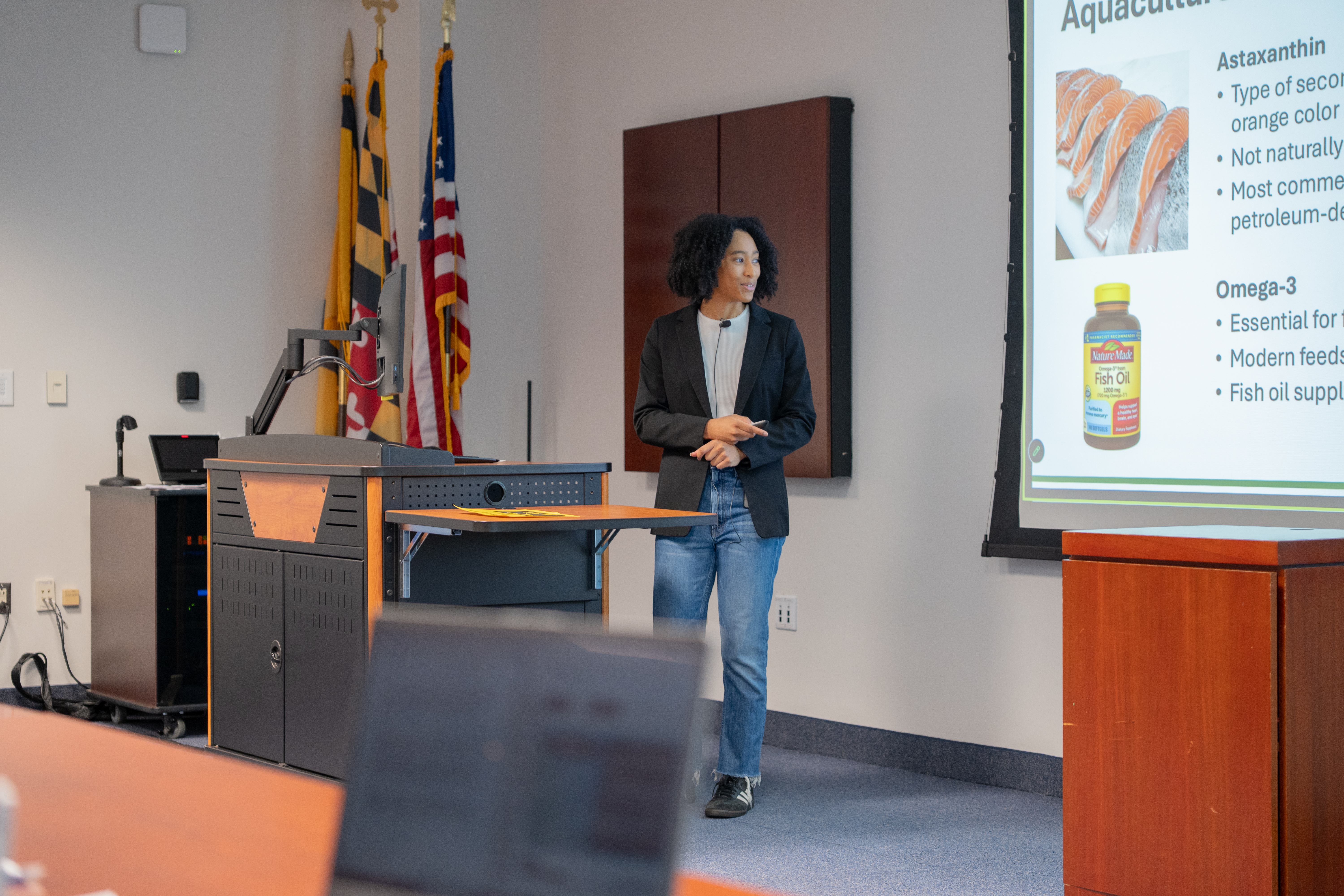
Science Presentation Day
It’s Presentation Day!
The interns arrive bright and early to double-check their presentations and shake out the nerves before guests arrive at 8:30 am. Family, friends, mentors, IMET faculty, and staff arrive to hear what research projects have been happening this summer. After a welcome from the Program Coordinator, the presentations began with Sofia Morais’s confident and compelling presentation about optimizing algal growth for sustainable aquaculture feed.
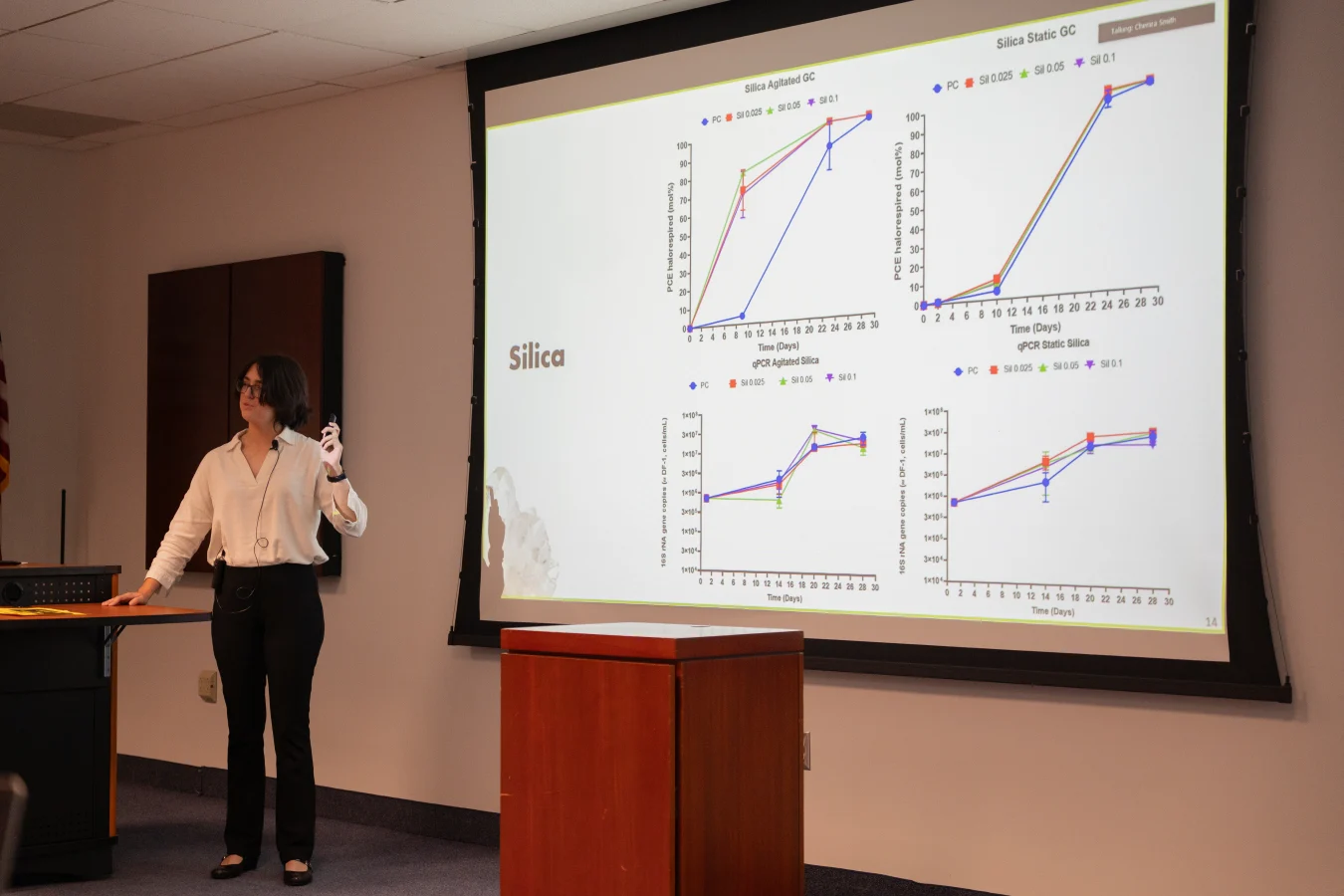
Mariangeli Maldanado presented her research project with the Sowers Lab with PCE. Her presentation was informational, fun, and full of her personality.
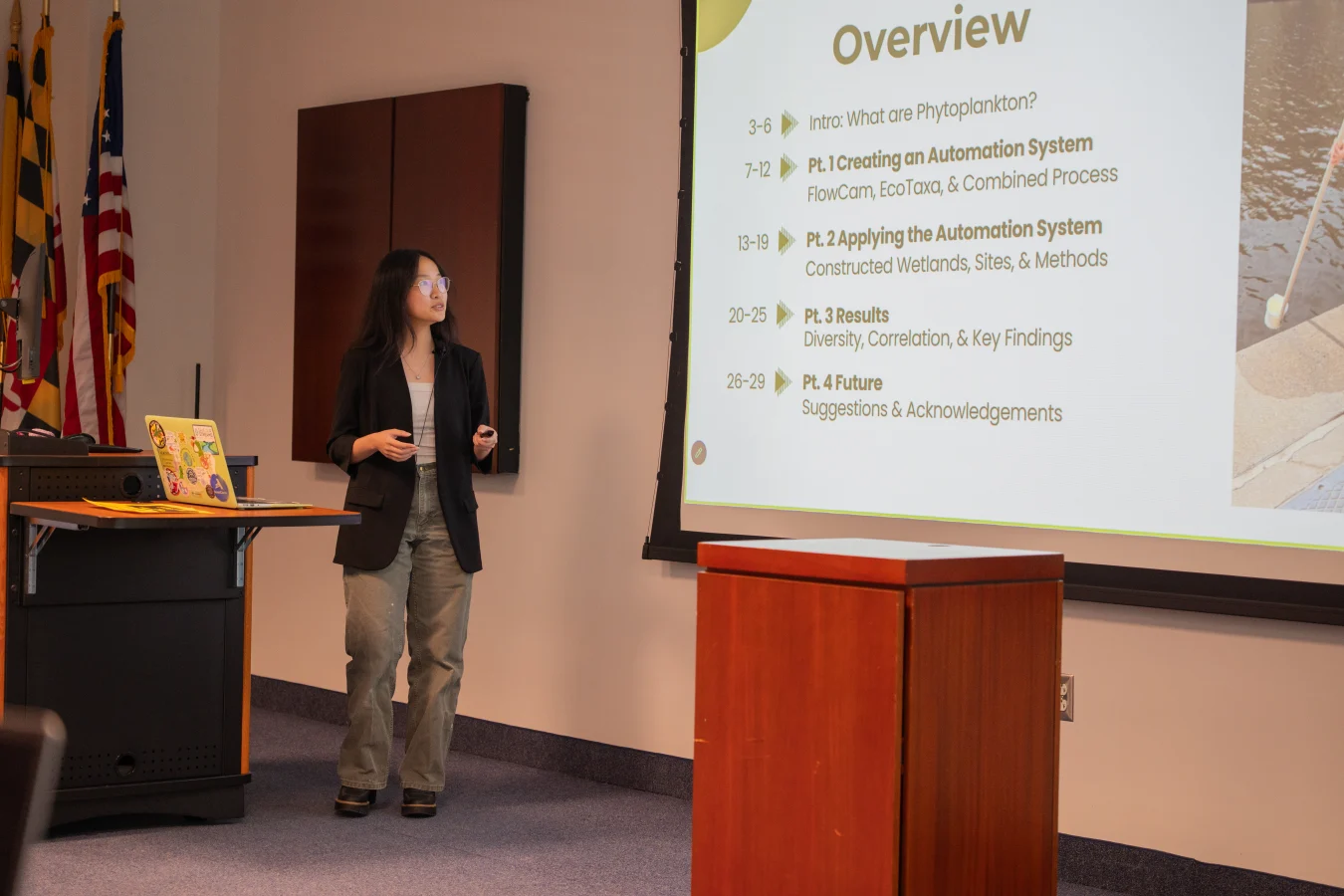
Jenny Ha presented her project on phytoplankton identification in the Inner Harbor. Jenny created an SOP as part of her project that will continue to assist scientists at IMET.
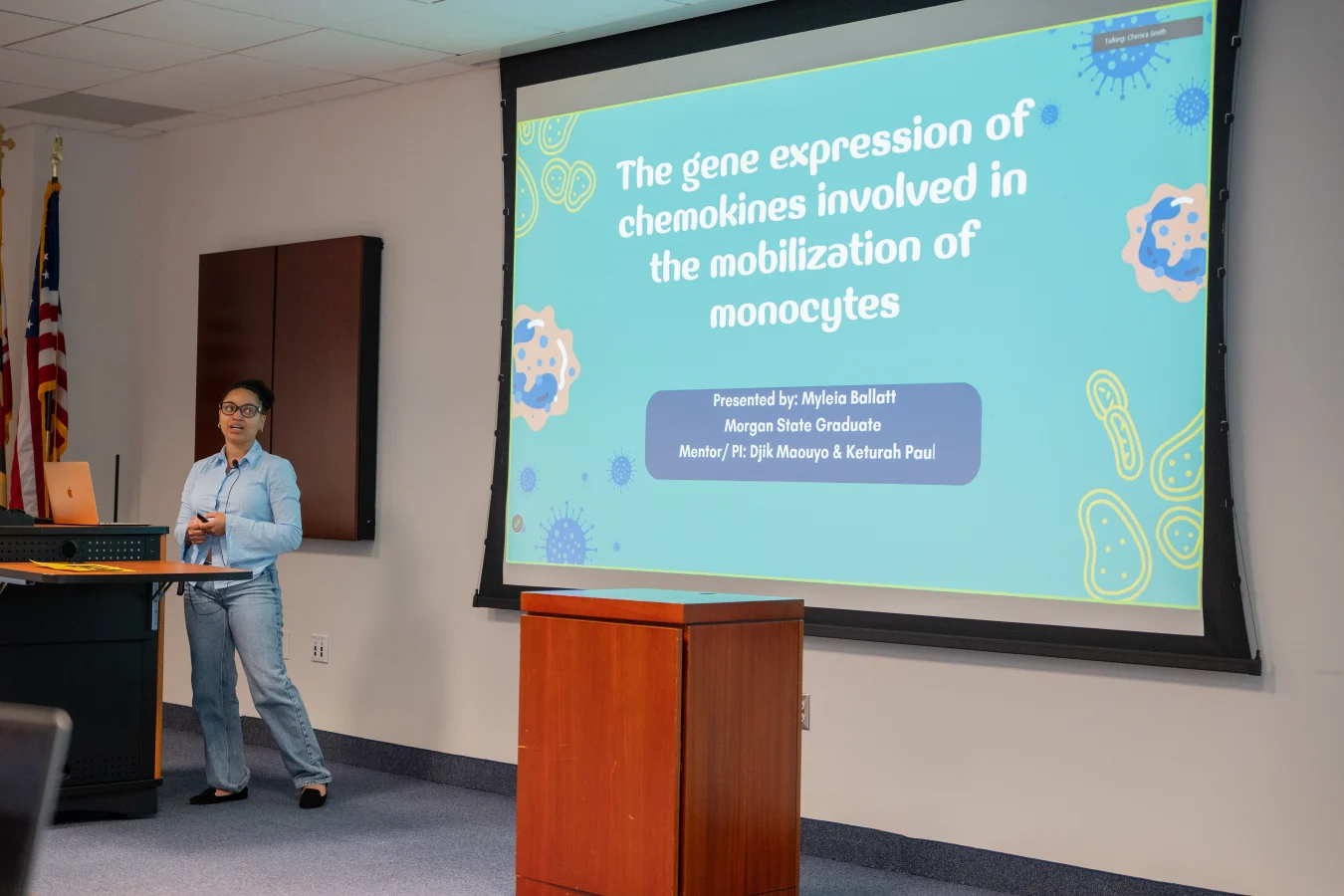
Myleia Ballatt presented her research from the summer that she conducted with Pyrodex and Dr. Djik Maouyo. Myleia took this internship in stride to prepare her for the fall semester of starting her Master’s at Rutgers University.
The internship ended with a lunch celebration with friends, family, peers, and fun photos! The students have worked very hard, and taking moments to feel that sense of accomplishment is important to remember. This experience is a part of their journey, and even though the presentations have ended and they are heading off, IMET will still be a part of their growing network of support.

A group photo of all IMET Summer Interns following their presentations.
“This week, I am just putting the final touches on my presentation. I have to add one more set of results to my slide and then practice. These past few days went by quickly; it’s surreal that this internship is done. It is an amazing program to learn new techniques and skills. I am very fortunate to be able to conduct this research this summer and apply this knowledge in future jobs and on my resume. As sad as it is to leave, I feel like it’s a see you later and not a goodbye.” – Ysabella Marin