2026 Maryland blue crab stock assessment published
Overall, the assessment yielded some concerning patterns.
SOLOMONS, MD – The 2026 blue crab stock assessment (opens in a new tab) for the Chesapeake Bay has been published. A noted decline in abundance and catch since the last stock assessment in 2011 were the primary motivations for the new assessment, which also used a new approach to estimate the number of blue crabs and the fraction that were harvested by fisheries.
Overall, the assessment yielded some concerning patterns. “Estimates from the new stock assessment indicate that female abundance remained above the levels of concern observed in the early 2000s, but it has been declining since 2010. Male abundance has been relatively low relative to the recommended reference points during the last five years,” the report reads.
The 2011 assessment was conducted in the aftermath of new management rules in 2008 that were designed to help the population bounce back from historic lows. Initially, recovery was strong, but short-lived — abundance and catches both declined through the 2010s and 2020s.
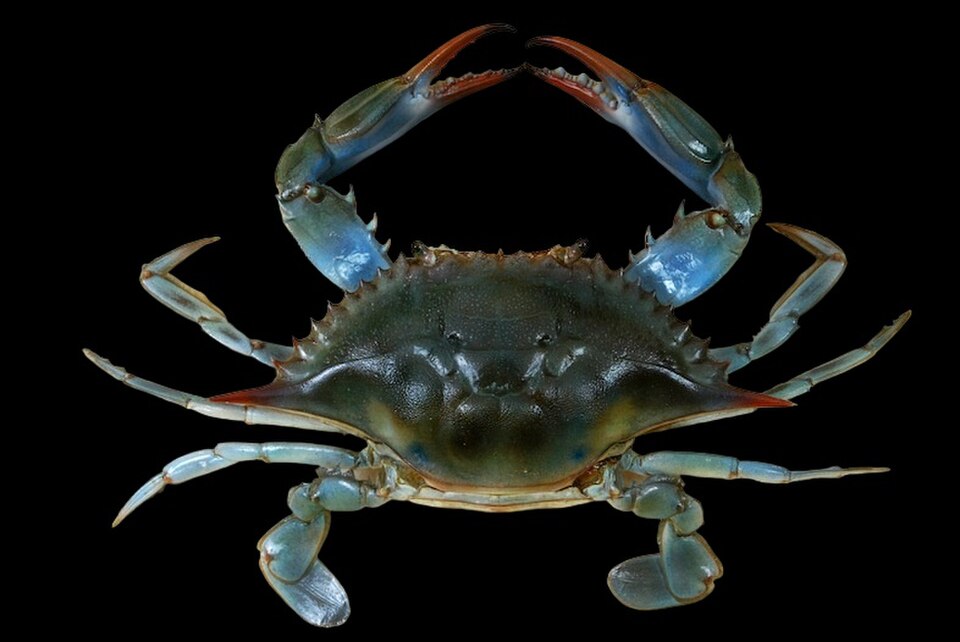
Maryland blue crabs are a staple of summers in the Chesapeake Bay region, from crabbing trips to crab feasts. As the health of the Bay became a focus of environmental scientists and elected officials alike, so too did the blue crab population. UMCES’ Chesapeake Biological Laboratory has been leading the blue crab stock assessment for over 20 years, beginning in 2005.
Blue crab populations in the Chesapeake Bay have been declining for decades. There are many theories as to why, and many known contributing factors, the most recent of which is the presence of invasive blue catfish in the Bay’s waters. UMCES Professor Dr. Michael Wilberg, the 2026 assessment’s lead author, has been part of every blue crab assessment since 2009. “The most concerning pattern is the long-term decline in the number of juvenile crabs. While we explored several potential causes of this decline, we did not identify a primary cause,” said Dr. Wilberg.
This year’s assessment was a collaborative effort in partnership with: Virginia Institute of Marine Science (VIMS), Smithsonian Environmental Research Center, Morgan State University Patuxent Environmental & Aquatic Research Laboratory (PEARL), Potomac River Fisheries Commission, Maryland Department of Natural Resources, and the Virginia Marine Resources Commission.