Chesapeake DolphinWatch celebrates 10 years of participatory science
June 27, 2026 marks the 10th anniversary of the launch of Chesapeake DolphinWatch, a participatory science project based out of UMCES’ Chesapeake Biological Laboratory.

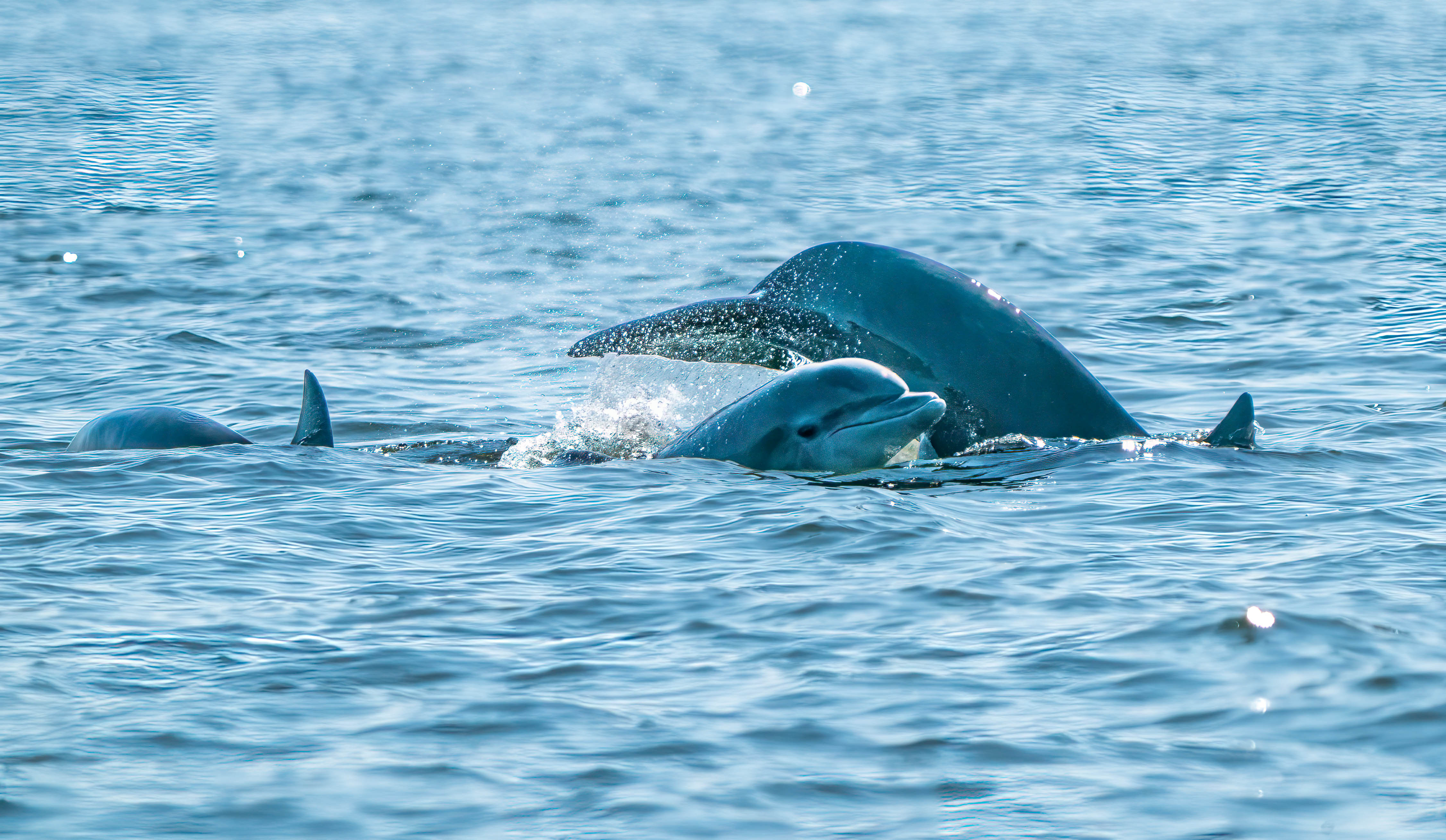
SOLOMONS, MD – June 27, 2026 marks the 10th anniversary of the launch of Chesapeake DolphinWatch, a participatory science project based out of UMCES’ Chesapeake Biological Laboratory. Over those 10 years, DolphinWatch—which includes an app that allows community members to record sightings of dolphins in the Bay and its tributaries—has amassed over 20,000 registered users who have reported more than 11,000 dolphin sightings.
“DolphinWatch continues to be CBL’s flagship citizen science program. Not only does it engage tens of thousands of community members in marine conservation, but the information collected is the only long-term dataset of its kind—and it is transforming what we know about dolphins and the Chesapeake Bay,” Beth Polidoro, Director of the Chesapeake Biological Laboratory, said.
In the first ten years, the DolphinWatch team collected data on when and where dolphins occur in the Bay; information that was previously poorly known. This dataset has also tracked the annual fluctuation of these patterns. Now, DolphinWatch is dreaming bigger and going further: in the next ten years, they hope to continue utilizing participatory science to start collecting abundance data. How many dolphins are in the Bay at any given time? Where do they come from, and where do they go when they leave the Bay?
Over this longer timeframe, DolphinWatch’s scientists also hope to be able to model the ecosystem and food web in which the dolphins participate. For example: what happens to dolphin numbers when fisheries managers are seeing more (or fewer) crabs and fish? How do dolphin numbers correlate with other crucial Bay variables like water quality?
Just as with the first decade, the answers to these questions lie with participatory science. Anyone can join DolphinWatch for free (online, on the Apple app store, or on Google Play) to view sightings and log their own. And you don’t have to be out on a boat in the middle of the Bay to spot a dolphin; anyone can report sightings from shore, too.
“Volunteer DolphinWatchers are the cornerstone of this project,” shared Jamie Testa, Project Coordinator for DolphinWatch. “By collectively looking for dolphins around Chesapeake Bay, we have created a nearly constant network of eyes on the ready. The power of folks simply sharing their bottlenose dolphin sightings with us, combined with our ability to harness all of those sightings into a better understanding of bottlenose dolphins in the Bay, is just astounding.”