Building a Shared Nitrogen Information Platform
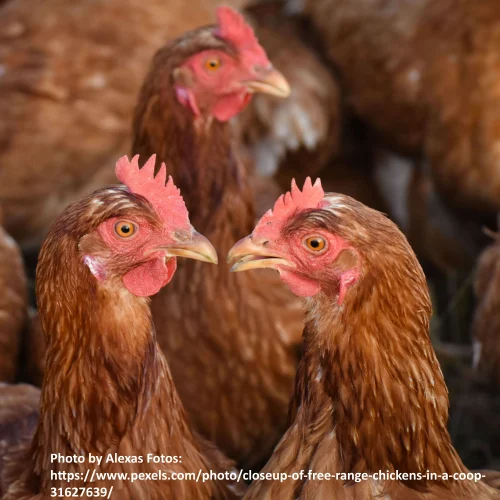
Poultry production is an important economic pillar of the Shenandoah Valley, the Upper Potomac headwaters, and several other poultry-producing counties of the Chesapeake Bay watershed, yet it is also one of the largest sources of reactive nitrogen released to the environment, contributing to both air and water pollution. In particular, ammonia (NH3) emissions from poultry production have raised growing concerns because they degrade local air quality, threaten human and ecosystem health, yet their magnitude and fate remain poorly quantified.
New mitigation technologies are emerging, including in-house ammonia capture and scrubbing, and microalgae-based nutrient recovery. Yet their effectiveness under real-world conditions has not been systematically assessed and compared, their implementation faces socioeconomic and institutional barriers. In the Appalachian portion of the watershed, the 2015 Upper Potomac Headwaters Report Card graded the region C-, citing poor to fair stream health and elevated nutrient loads near poultry facilities in the Shenandoah Valley and West Virginia. Addressing these challenges requires coordination across disciplines, sectors, and jurisdictions, which this project will do by co-developing a shared nitrogen information platform, building a cross-regional stakeholder innovation network, and conducting pilot field measurements