Bridging the Gap: Women grad students talk rise of STEM, power of diversity in science
PODCAST: Women graduate students from UMCES' four laboratories talk about their experiences pursuing a degree in science at a time when more women are joining them in the field. Our conversation includes the rise of STEM learning in early education and the power of diversity of all kinds in science.
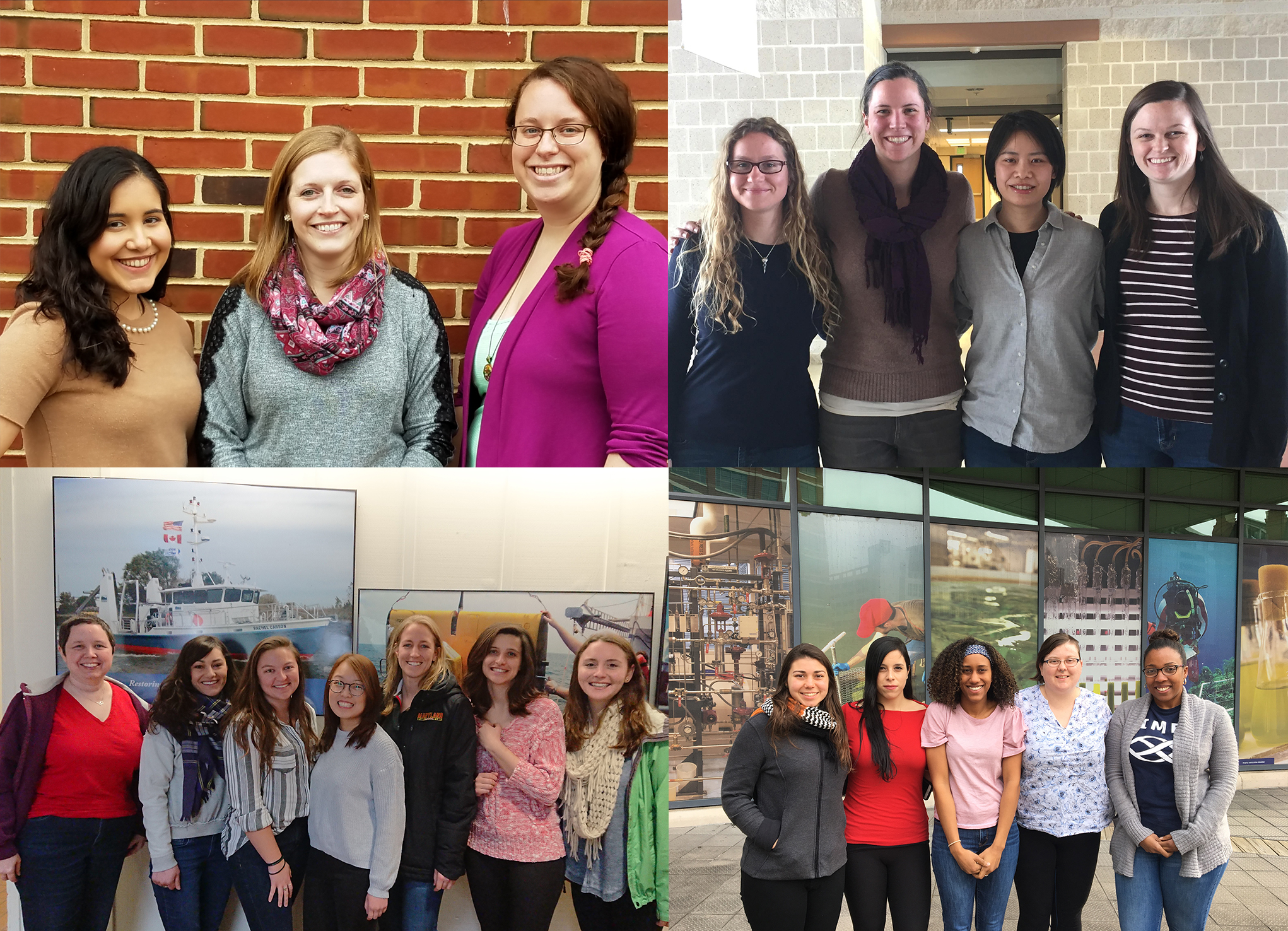
Women pursuing graduate degrees in science today are part of a tide of change. The generations of female scientists before this one often faced obstacles or backlash for their career choice. On the other end, young girls are increasingly encouraged to pursue science, technology, engineering and math (STEM) careers.
As the bridge between these generations, today’s female graduate students have more opportunities, more women scientists they can emulate, and more evidence their future in science is strong. In 2013, women accounted for less than one-third of science and engineering jobs, despite accounting for half of the college-educated workforce, according to the National Science Board. The same statistics show a 121 percent increase of women in those jobs since 1993, compared to a 60 percent increase for men, slowly shrinking the gender gap.
There’s still work to do, but change is happening. We asked female graduate students at each of the University of Maryland Center for Environmental Science’s four laboratories to share their thoughts on pursuing science today and offer their advice for anyone following in their footsteps.
Graduate students offer advice for the next generation of scientists
Read the transcript. (opens in a new tab)
Perspective, inspiration, fresh ideas: Examining the power of diversity in science
Read the transcript. (opens in a new tab)
Horn Point Laboratory
Get to know the students featured in this podcast:
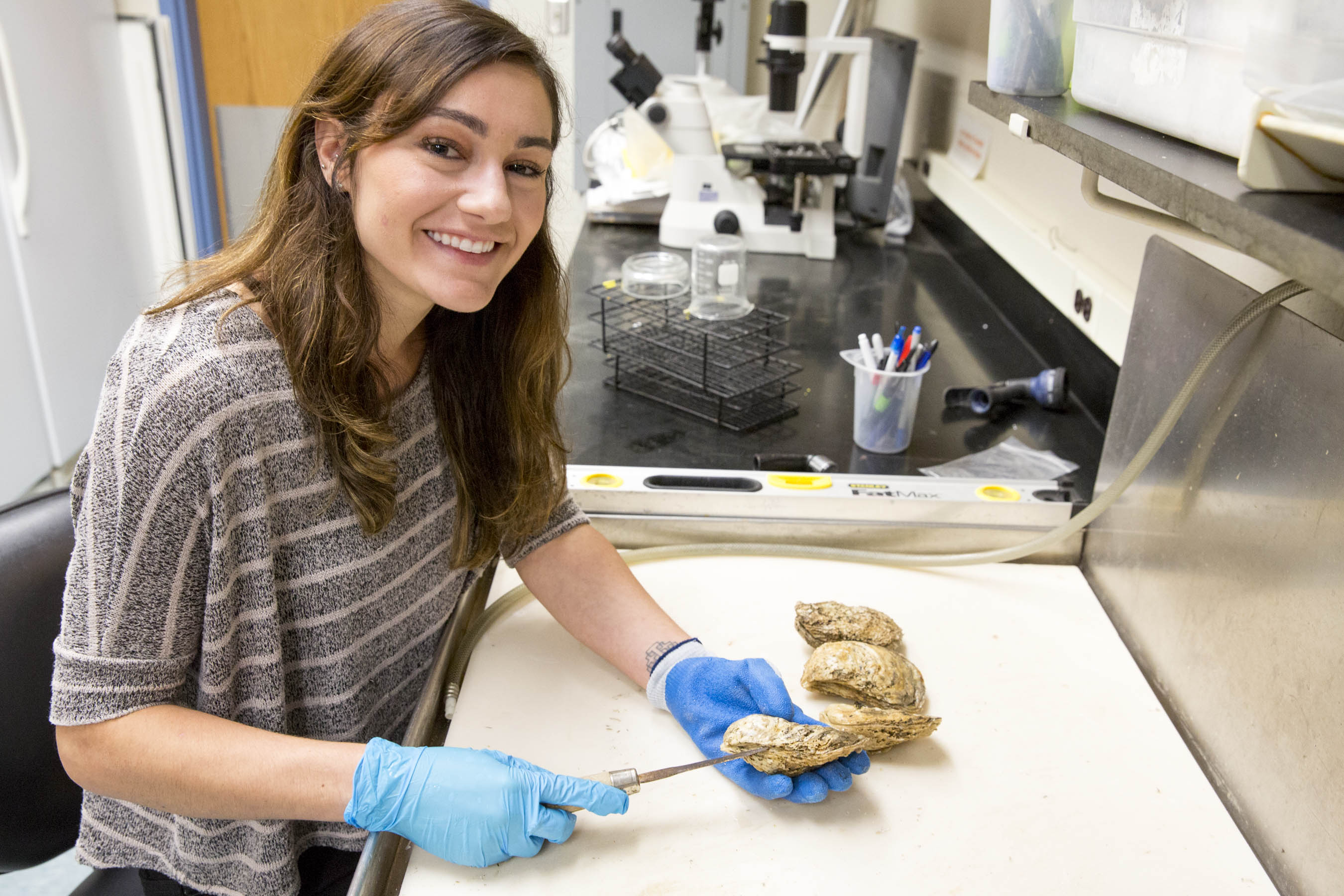
- Melanie Jackson (opens in a new tab), a Ph.D. student studying under Dr. Jeff Cornwell, is working to determine how much nitrogen pollution can be removed by oyster restoration and aquaculture.
- Emily Russ (opens in a new tab) is pursuing her Ph.D. under the guidance of Dr. Cindy Palinkas. Her focus is on how much sediment comes from the Susquehanna River or from shoreline erosion, and where it gets deposited in the Chesapeake Bay.
- Hannah Morrissette (opens in a new tab) is studying for her master’s degree in Biological Oceanography under Dr. Raleigh Hood. Her research focuses on the transport and transformation of organic matter in wetland soils.
- Maureen Brooks (opens in a new tab) is a Ph.D. student working with Dr. Victoria Coles. She uses a supercomputer to study how biology and physics interact, to learn how the seaweed Sargassum travels and grows in the Atlantic Ocean.
- Pinky Liau (opens in a new tab) is a Ph.D. student working with Dr. Sairah Malkin. Her research interest is in microbial ecology of the Chesapeake Bay focusing on sulfur-oxidizing bacterial communities.
- Jacqueline Tay (opens in a new tab) is a Ph.D. student who studies the lives and development of jellyfish in Chesapeake Bay with Dr. Raleigh Hood.
- Katie Hornick (opens in a new tab), a Ph.D. student of with Dr. Louis Plough, is studying the population genetics of Eastern oyster restoration in Chesapeake Bay, with a specific focus on the Harris Creek sanctuary in the Choptank River.
- Samantha Gleich (opens in a new tab), a graduate student working toward her Ph.D. with Dr. Pat Glibert, is working to understand how coastal eutrophication will influence primary productivity in the Chesapeake Bay and other estuary systems by examining how the phytoplankton community responds to changes in nutrient abundance.
- Christine Knauss (opens in a new tab), a graduate student working on her Ph.D. with Dr. Don Meritt, by studying how plastic pollution is affecting oysters in Chesapeake Bay.
Read the transcript. (opens in a new tab)
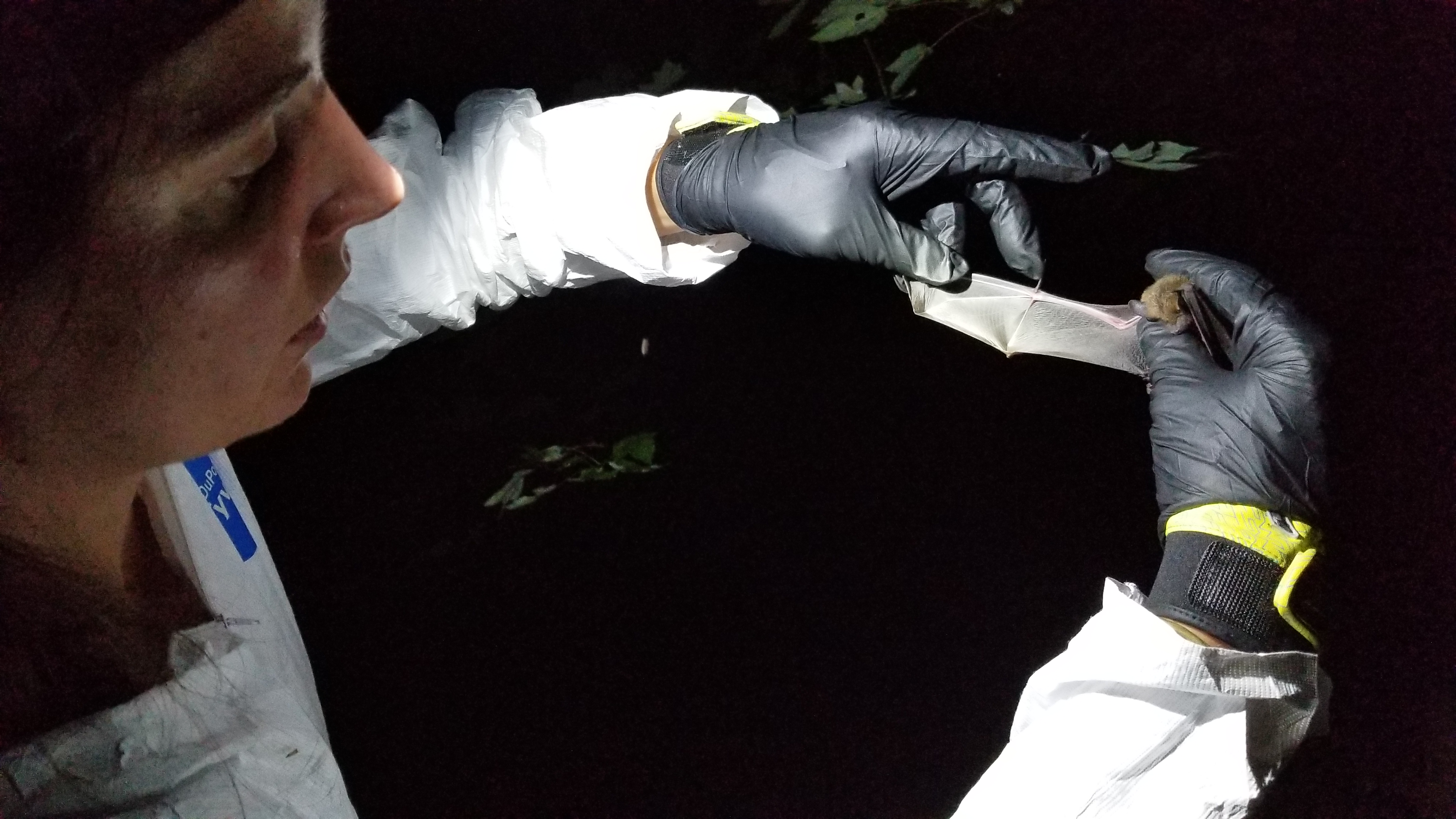
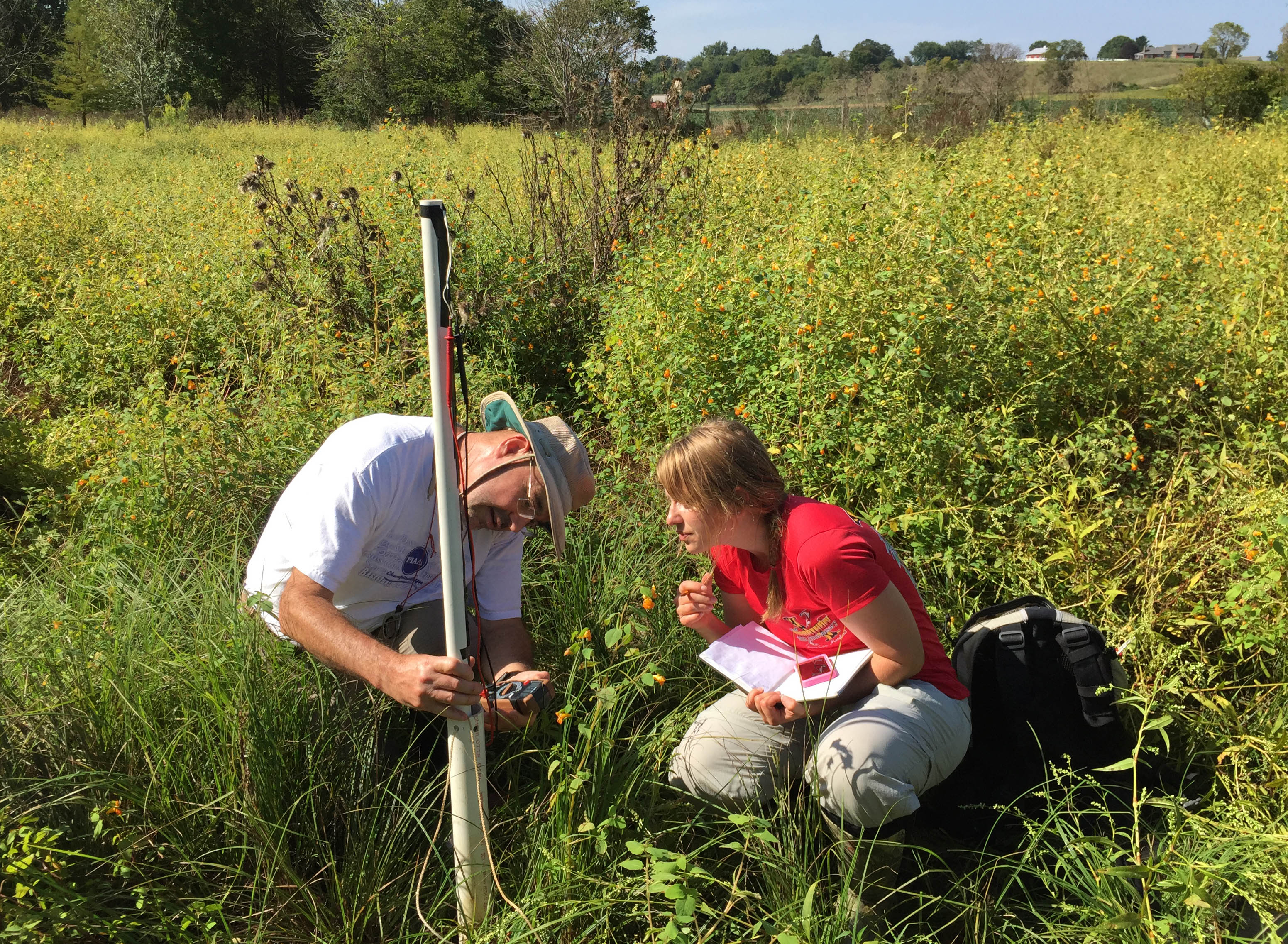
Appalachian Laboratory
Get to know the students featured in this podcast:
- Tan Zou (opens in a new tab) is conducting her Ph.D. research under the supervision of Dr. Xin Zhang on sustainable agriculture, nutrient use efficiency, and water quality. She is currently working on a sustainable phosphorus budget project with Dr. Zhang, analyzing global cropland nutrient data to figure out approaches for improving nutrient use efficiency in agriculture.
- Stephanie Siemek (opens in a new tab) is a Ph.D. student examining how effective riparian buffers—vegetated areas near streams that help shade and protect that stream—are in reducing nutrients in groundwater before being discharged into streams.
- Kelly Pearce (opens in a new tab), who is pursuing her Ph.D., is assessing the use of the river otter as a flagship species—critical for stimulating conservation awareness and action—for the Greater Yellowstone Ecosystem.
- Claire Nemes (opens in a new tab) is a Ph.D. student working with Dr. Tyler Flockhart. Her research is focused on the population ecology of birds and free-roaming domestic cats in urban areas, and I’m particularly interested in the implications for conservation of migratory birds.
- Annie Carew (opens in a new tab) is a master’s student studying under Dr. Katia Engelhardt. She is studying aquatic plant ecology in the Hudson River and Chesapeake Bay estuaries.
Read the transcript. (opens in a new tab)
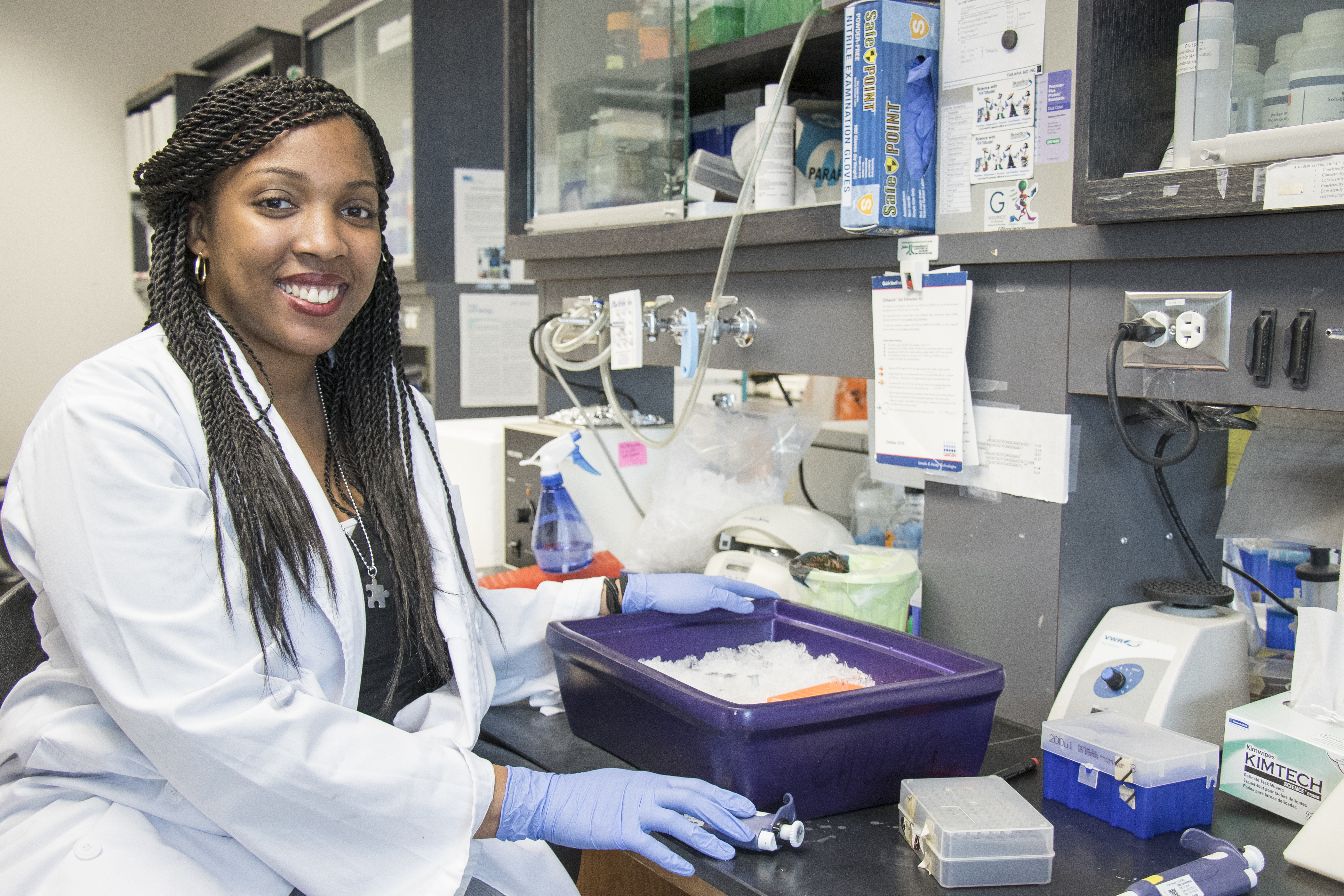
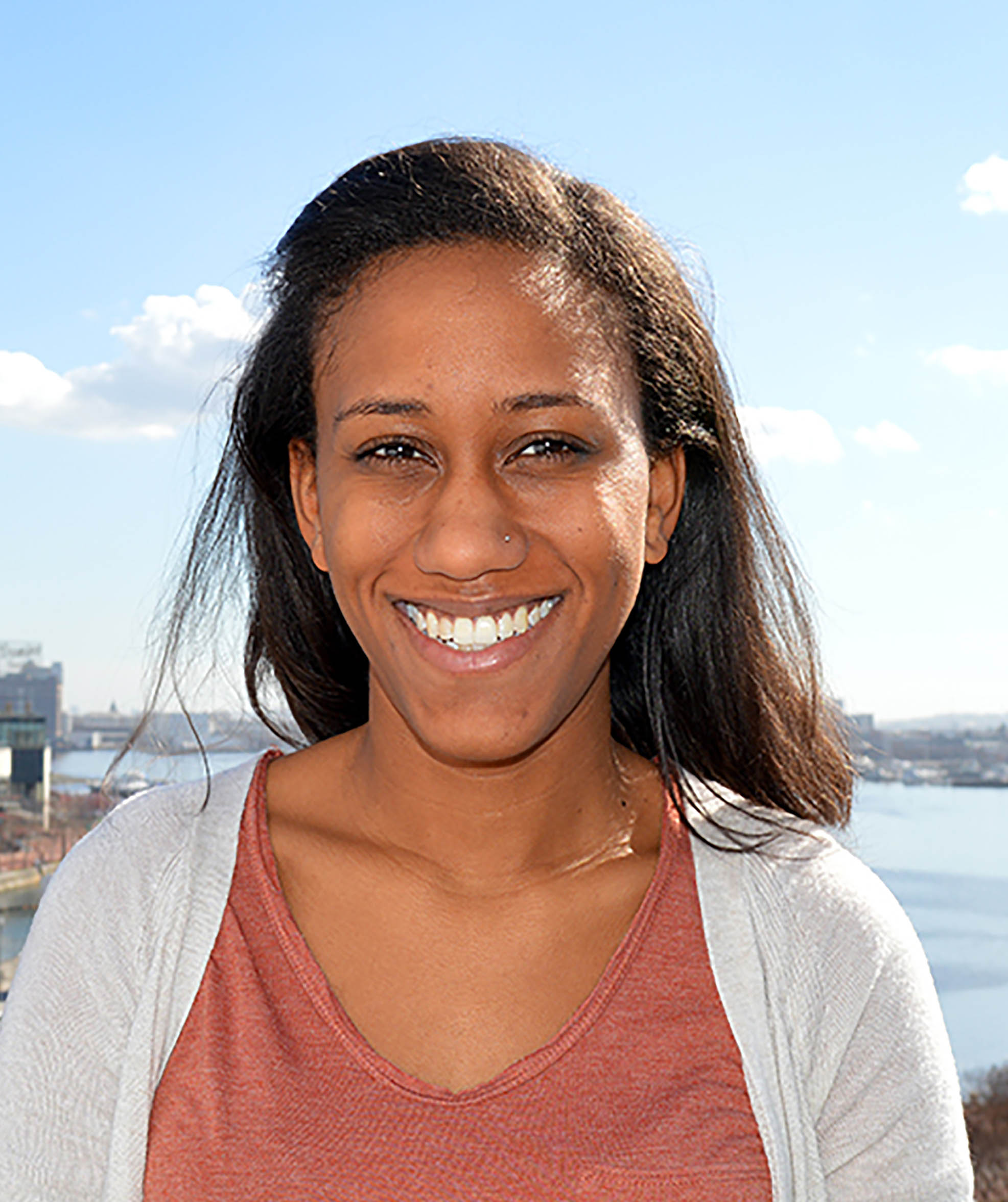
Institute of Marine and Environmental Technology
Get to know the students featured in this podcast:
- Kaila Noland is a Ph.D. student in Dr. Rosemary Jagus’ lab who is studying the mRNA recruitment and interacting protein partners of translational components belonging to the eIF4E family in the dinoflagellate species Amphidinium carterae.
- Shadaesha Green is a Ph.D. student working with Dr. Sook Chung to understand the hormones that control reproductive cycle of the deep-sea red crab to help inform federal managers that use that information for regulations such as catch size.
- Amanda Lawrence is a master’s student in Dr. Sook Chung’s lab who is looking to identify a biomarker for the onset of sexual maturity in male crustaceans. She is using the blue crab as a model organism because so much is known about the life history to learn about life histories of other understudied crustacean species, such as the Jonah crab.
- Ana Sosa is pursuing a Ph.D. with Dr. Feng Chen and is studying defense mechanisms cyanobacteria use to survive and adapt a wide range of conditions, including temperature, light, and toxicity.
- Daniela Tizabi is a Ph.D. student working with Dr. Russell Hill and is focused on marine natural products and drug discovery. She is studying the microbial community associated with a giant barrel sponge from the Caribbean, and is interested in a group of bacteria known as actinomycetes, that are known to produce many potent compounds with therapeutic potential, such as anti-cancer, antibacterial, and anti-fungal.
Read the transcript: English (opens in a new tab)| Spanish (opens in a new tab)
Chesapeake Biological Laboratory
Get to know the students featured on this podcast:
- Zoraida Pérez Delgado is a master’s student studying under Dr. Hali Kilbourne. She is looking at volcanic events in coral records from the Pacific Ocean to understand how precipitation and temperature have changed over thousands of years.
- Hadley McIntosh is pursuing a Ph.D. with her adviser, Dr. Laura Lapham, by studying the emission of methane from Arctic lakes to better understand how this potent greenhouse gas impacts the atmosphere.
- Christina Goethel is a Ph.D. student working with Dr. Jackie Grebmeier to examine how changes in the Pacific Arctic region, such as loss of sea ice and water temperature fluxes, affect populations of seafloor invertebrates.