All Ears in the Ocean
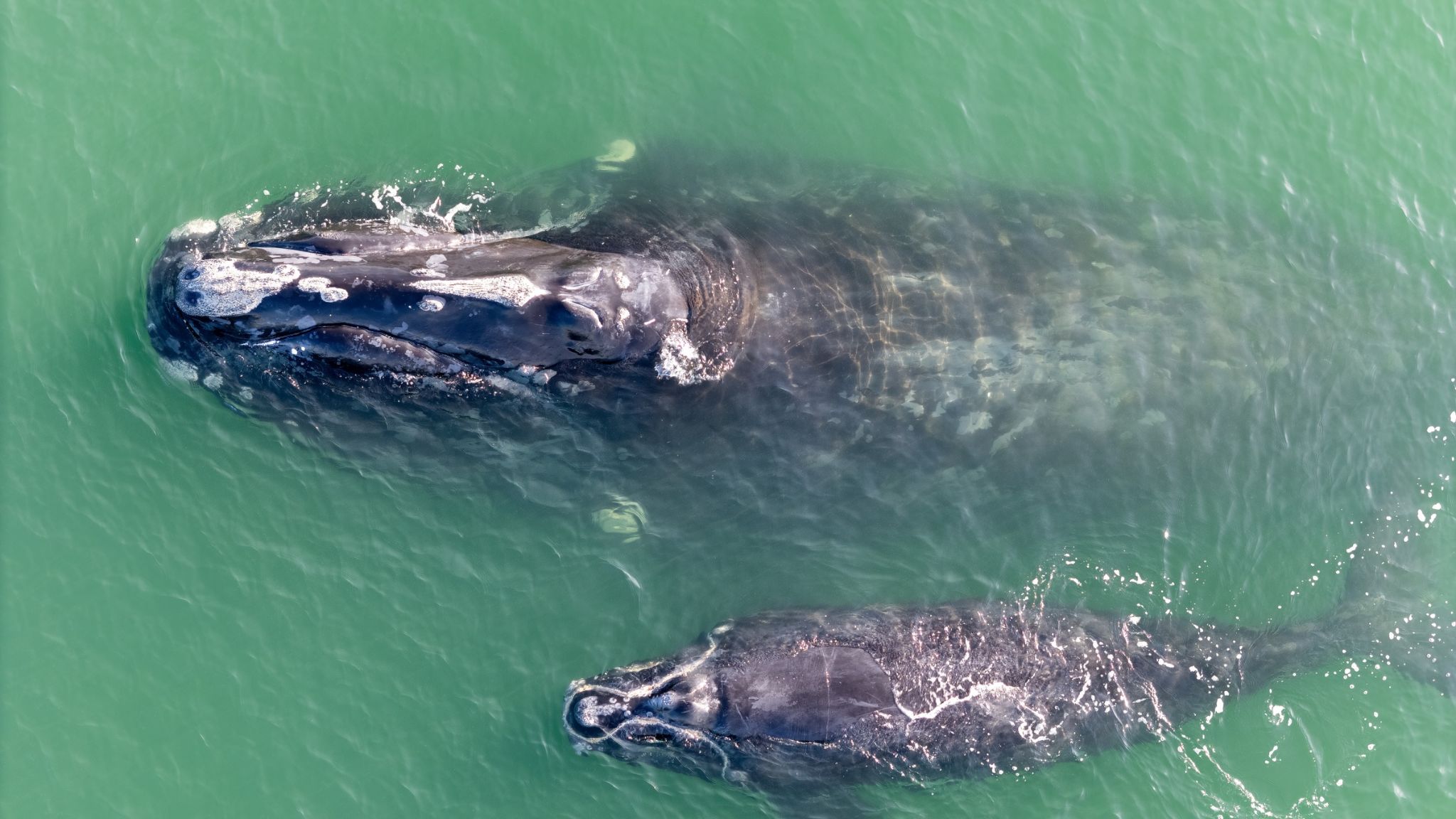
With acoustic monitoring off the Maryland coast, UMCES scientists are helping industry and regulators learn how to better protect critically endangered right whales.

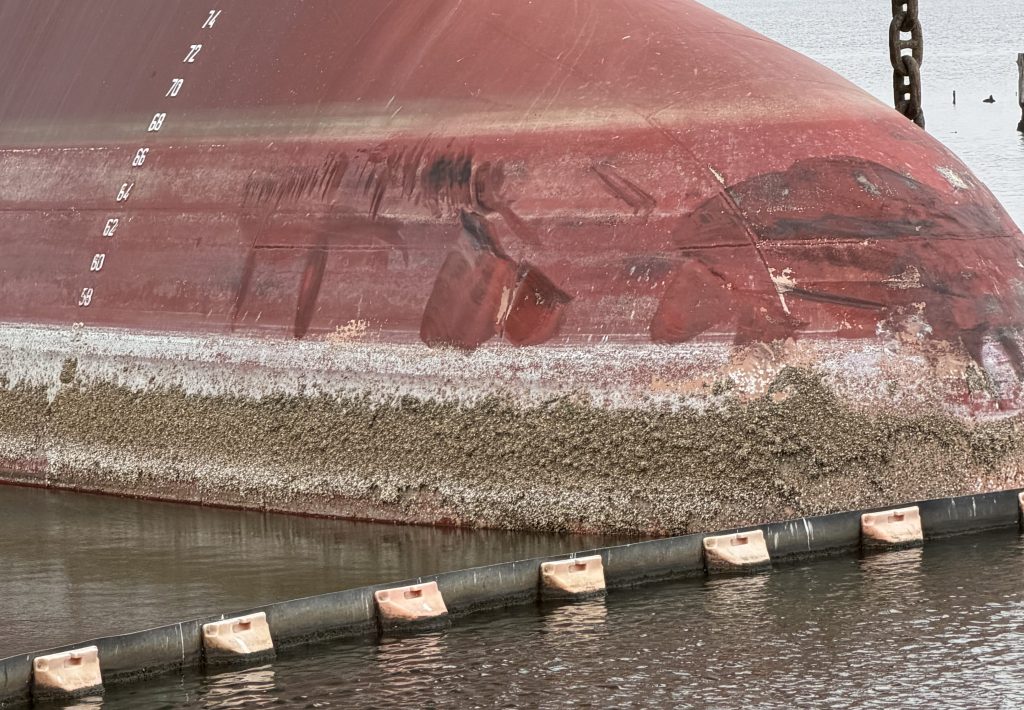
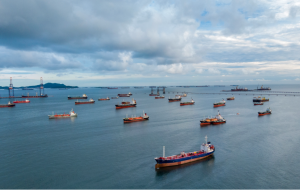
The closure of the Strait of Hormuz has created conditions for a “super-spreader” event of marine invasive species worldwide.
With acoustic monitoring off the Maryland coast, UMCES scientists are helping industry and regulators learn how to better protect critically endangered right whales.
The University of Maryland Center for Environmental Science and Maryland Sea Grant, alongside co-lead organizations, have been awarded a $1 million grant from the National Oceanic and Atmospheric Administration to…
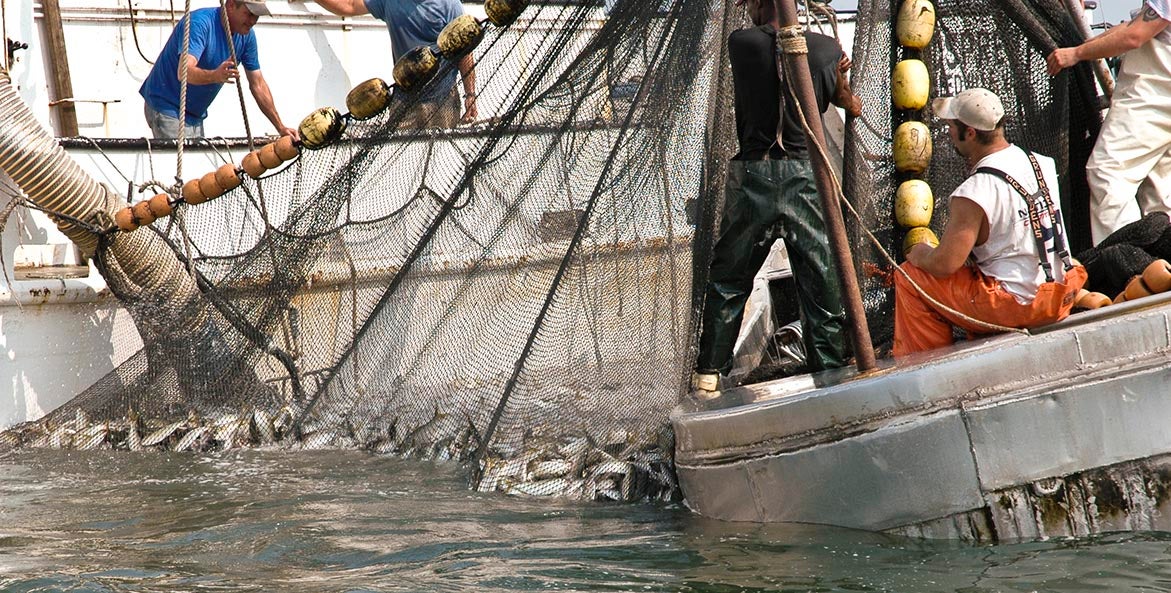
While stakeholders argue over menhaden reduction fishery quotas, UMCES researchers focus on science-based guidance to inform complex decisions.

Retired Honeywell executive brings communications expertise to the table.
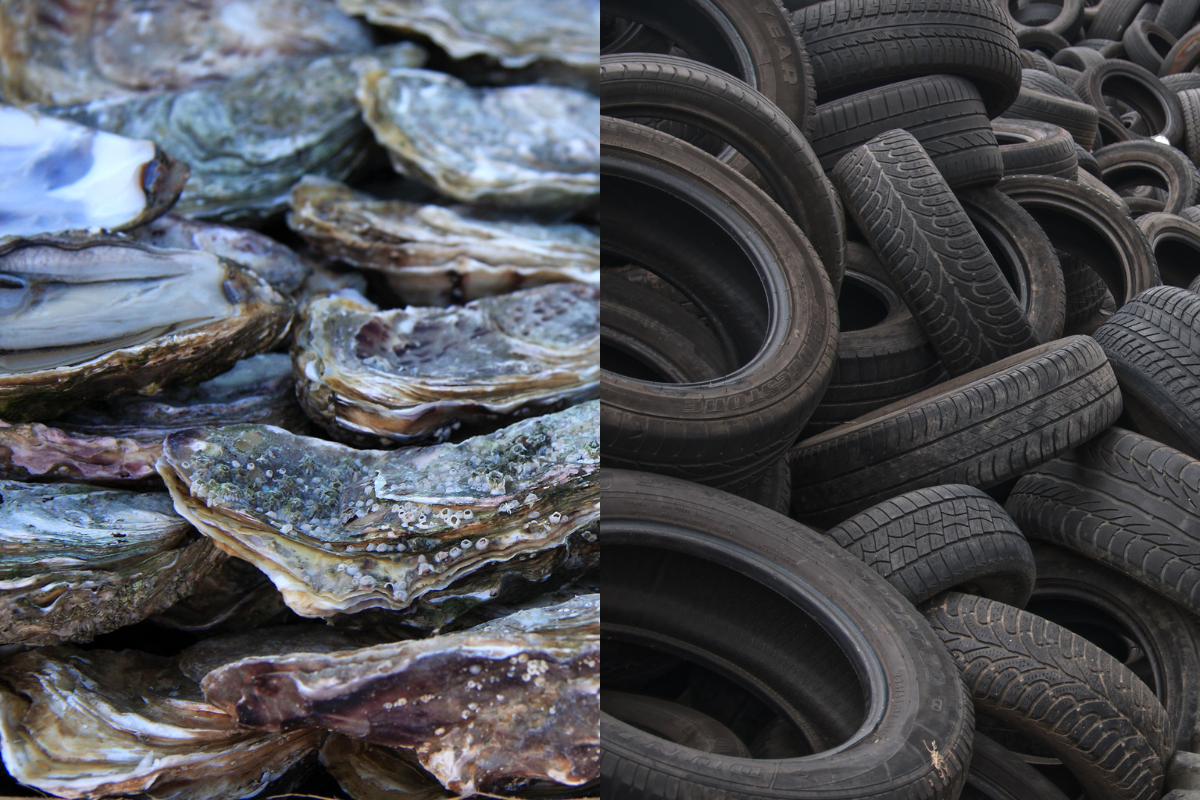
Critical early-stage support helps springboard big ideas
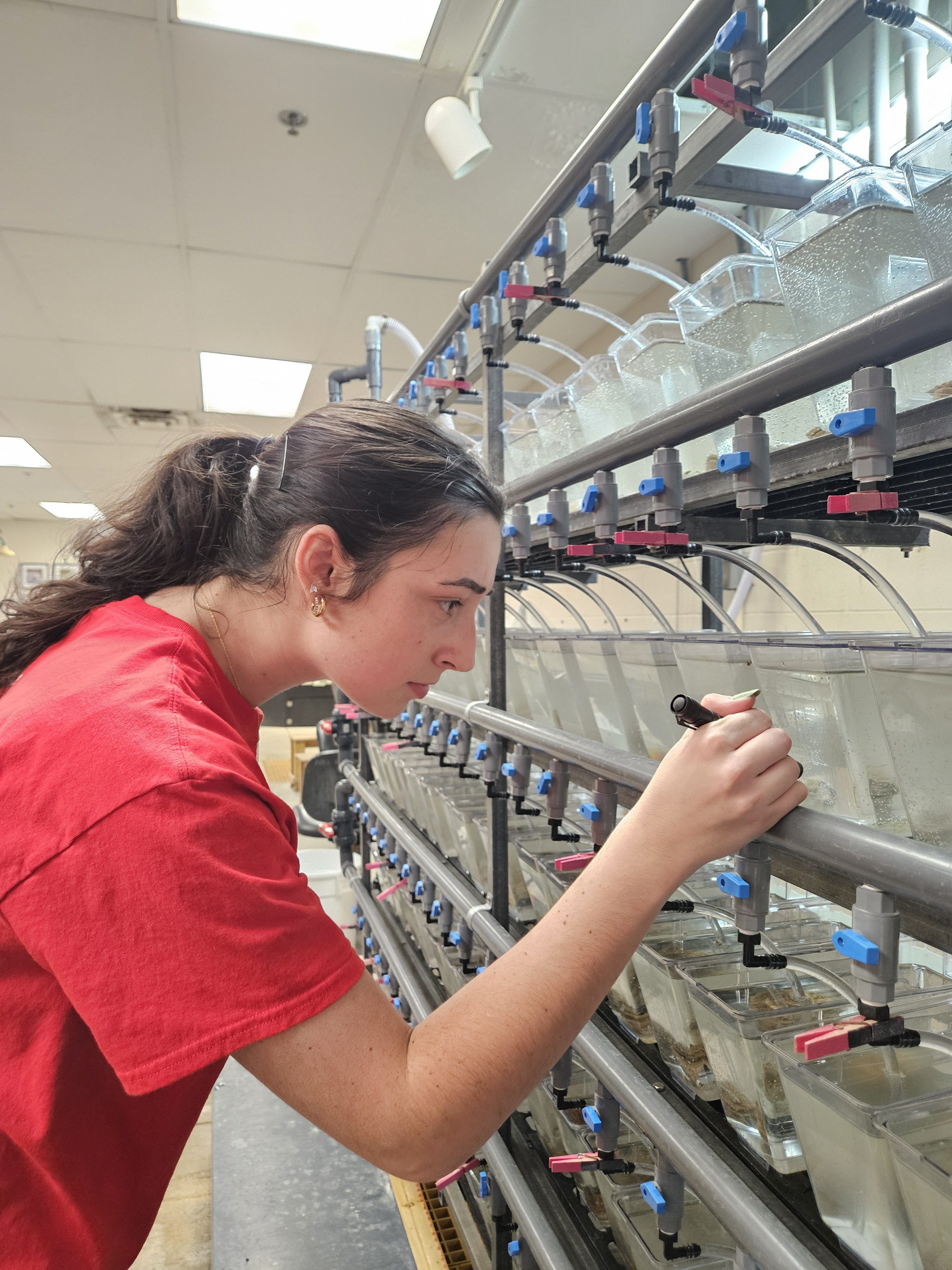
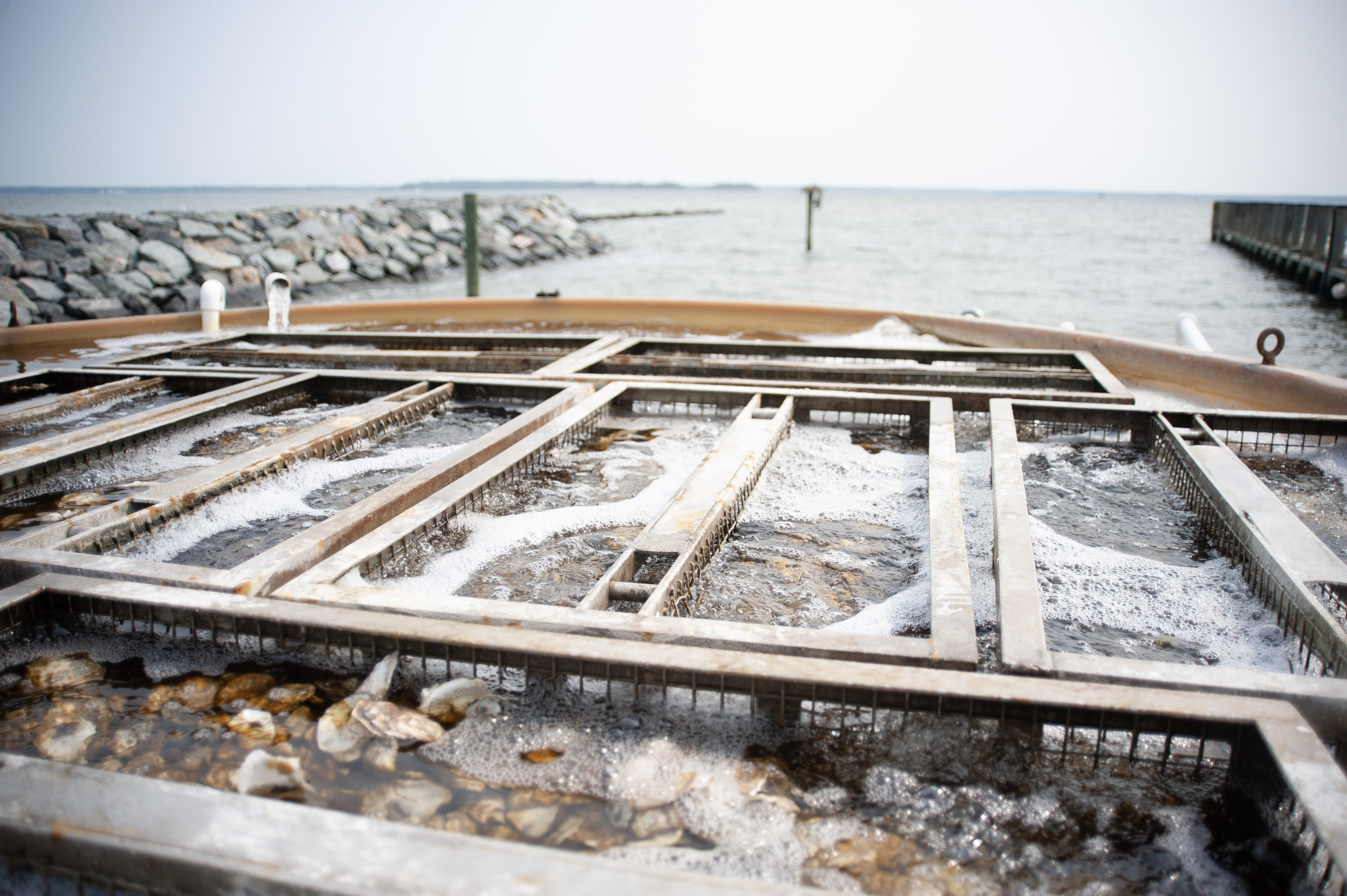
UMCES researchers are part of a new national effort to understand what causes larval die-offs—called crashes—at bivalve hatcheries.
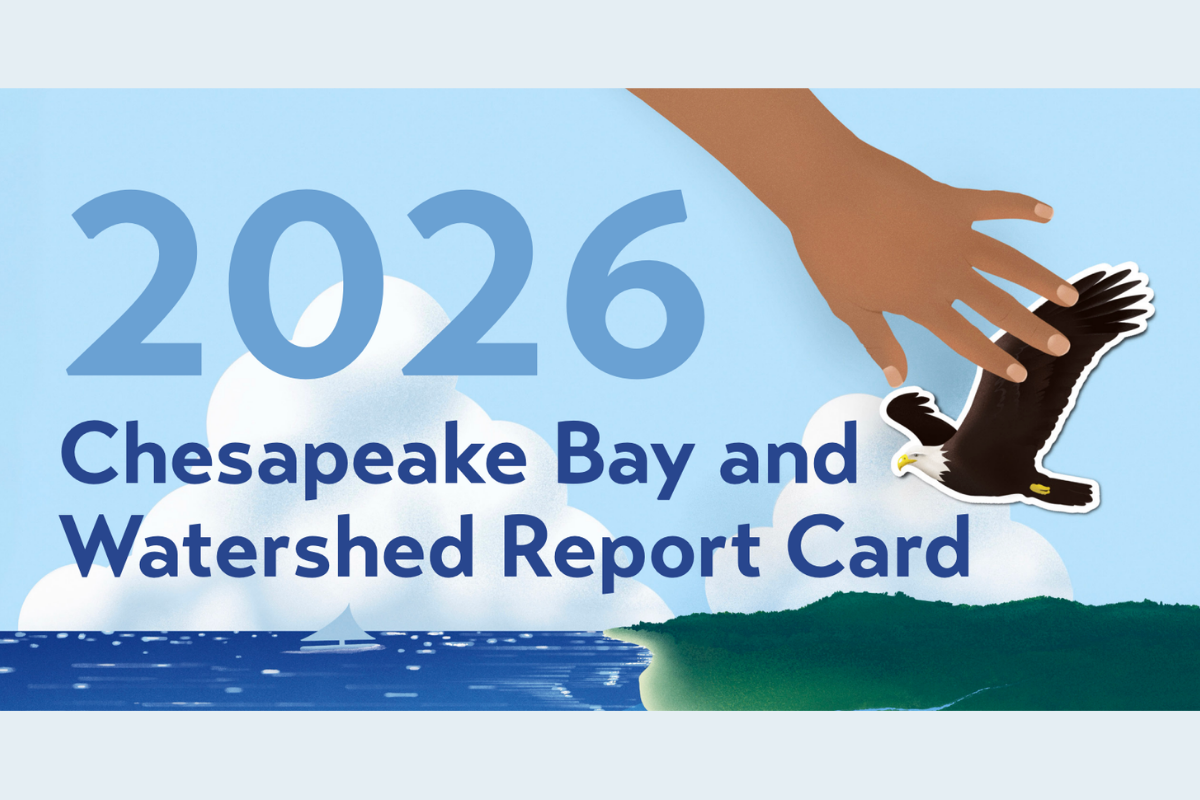
Positive actions raise the grade for the Chesapeake Bay leading to benefits for the environment and local communities

These honorees have transformed our understanding of the world, impacted our everyday lives, improved our communities and contributed to solutions for a sustainable future.
University of Maryland Center for Environmental Science will continue to use our research to strengthen Chesapeake Bay collaborations.