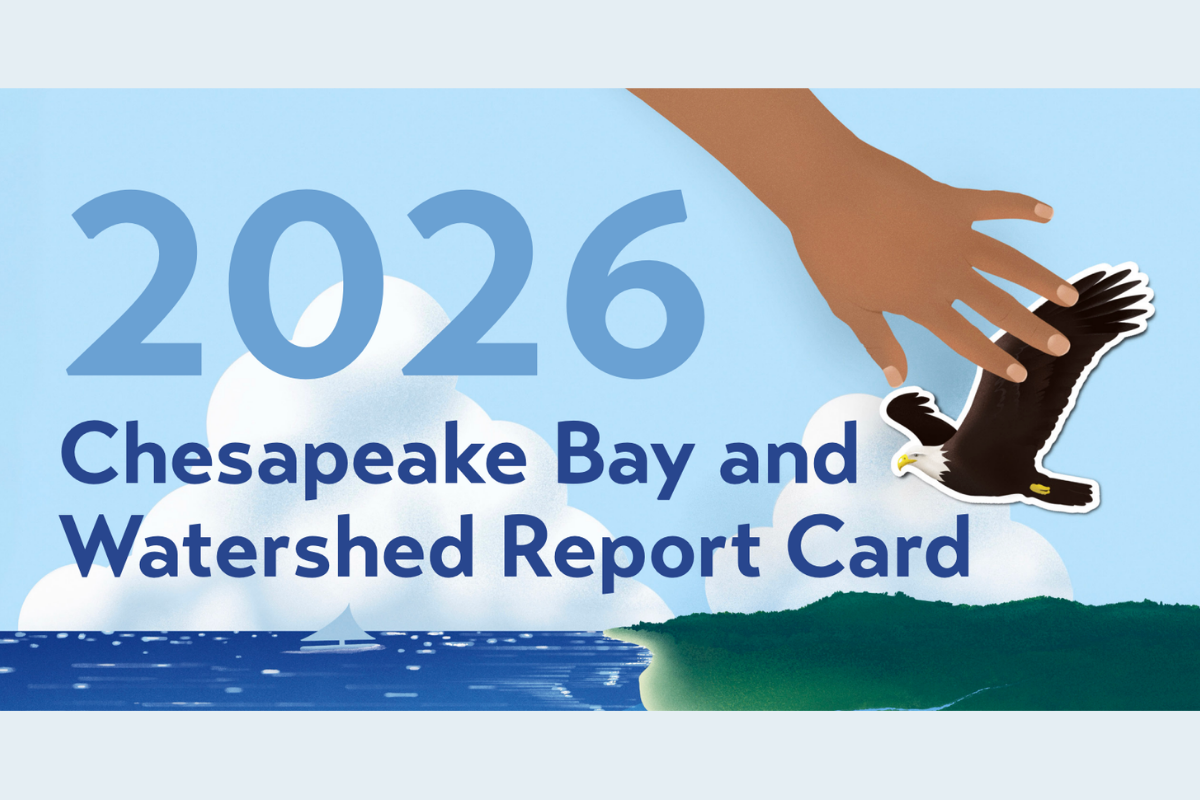
Highest Score Ever Achieved for UMCES’s Chesapeake Bay and Watershed Report Card
Positive actions raise the grade for the Chesapeake Bay leading to benefits for the environment and local communities

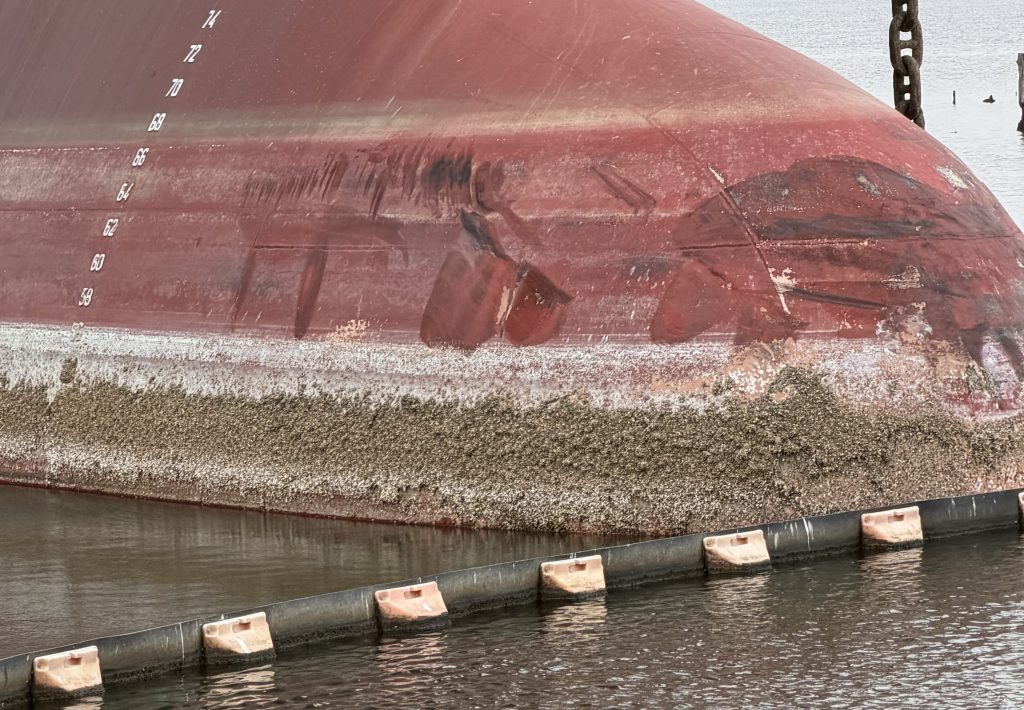
The closure of the Strait of Hormuz has created conditions for a “super-spreader” event of marine invasive species worldwide.
Positive actions raise the grade for the Chesapeake Bay leading to benefits for the environment and local communities
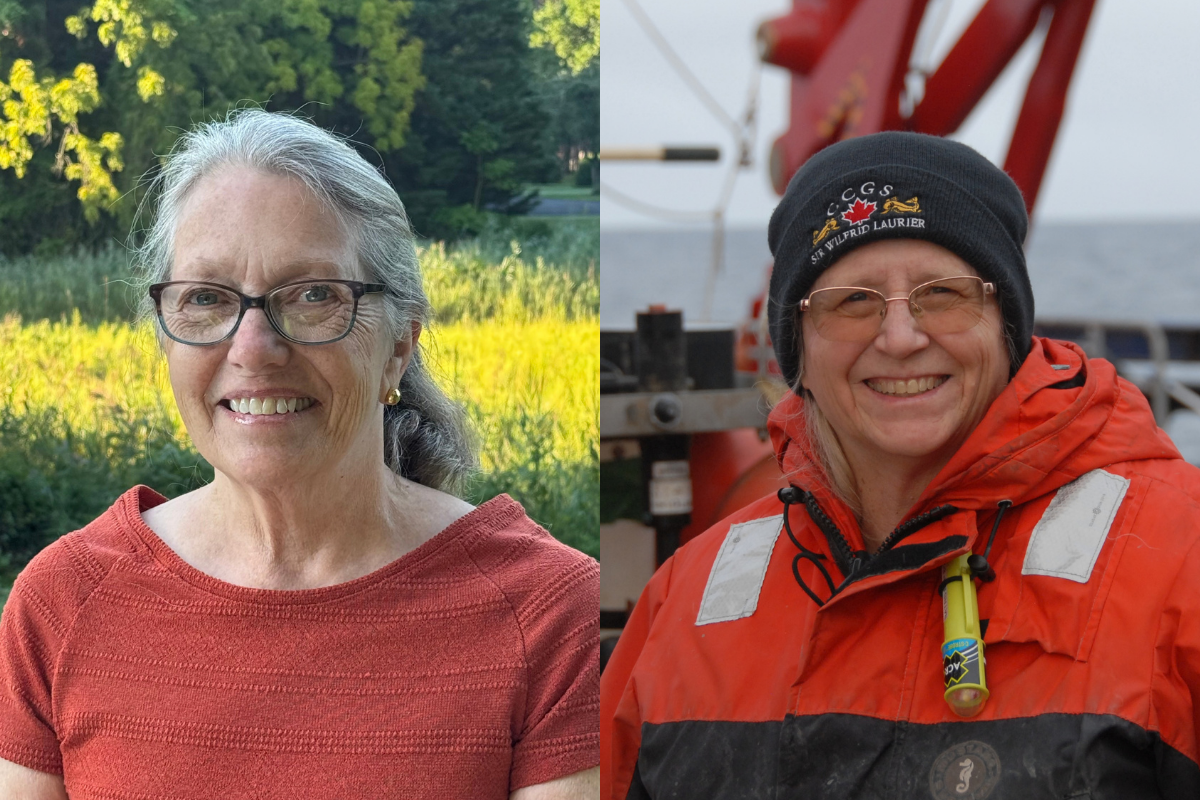
These honorees have transformed our understanding of the world, impacted our everyday lives, improved our communities and contributed to solutions for a sustainable future.
University of Maryland Center for Environmental Science will continue to use our research to strengthen Chesapeake Bay collaborations.
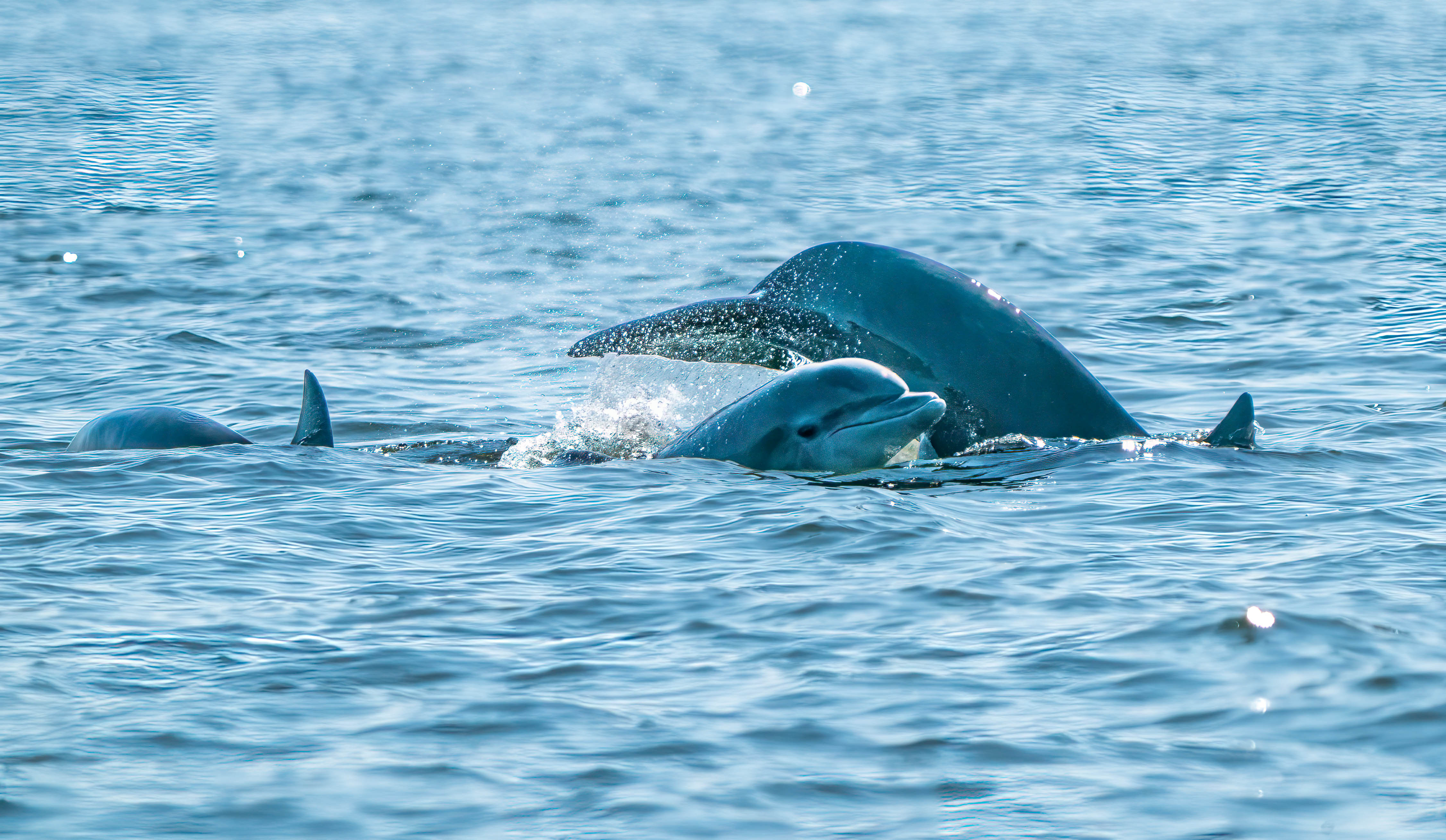
Ten years of the Bay’s greatest participatory science project has revealed how much more there is to learn about dolphins in the Chesapeake.

Dr. Boynton passed away on September 14, 2026.
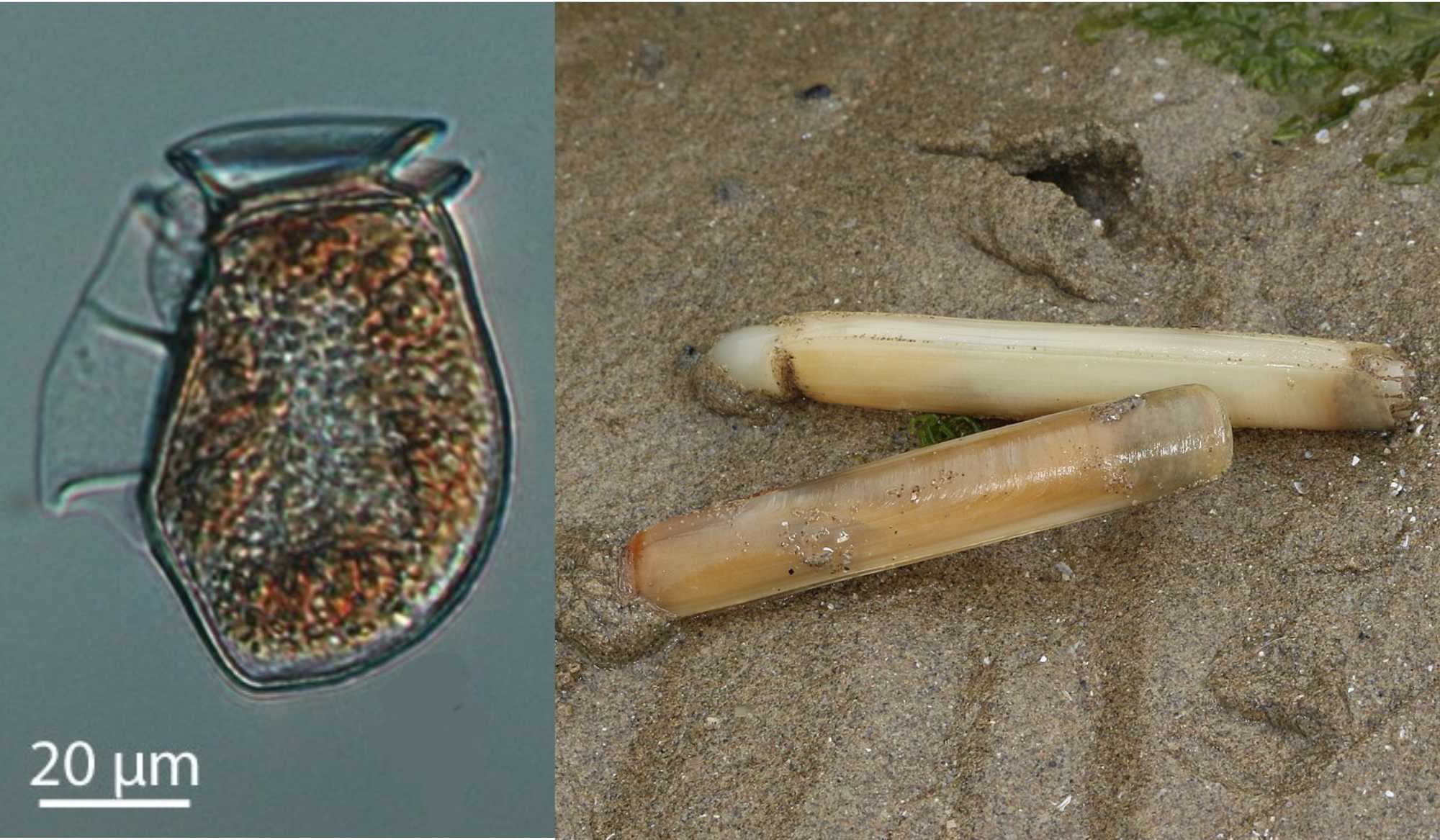
The experiment used ChatGPT to automate the generation of deep learning regression and classification models for harmful algal bloom prediction.
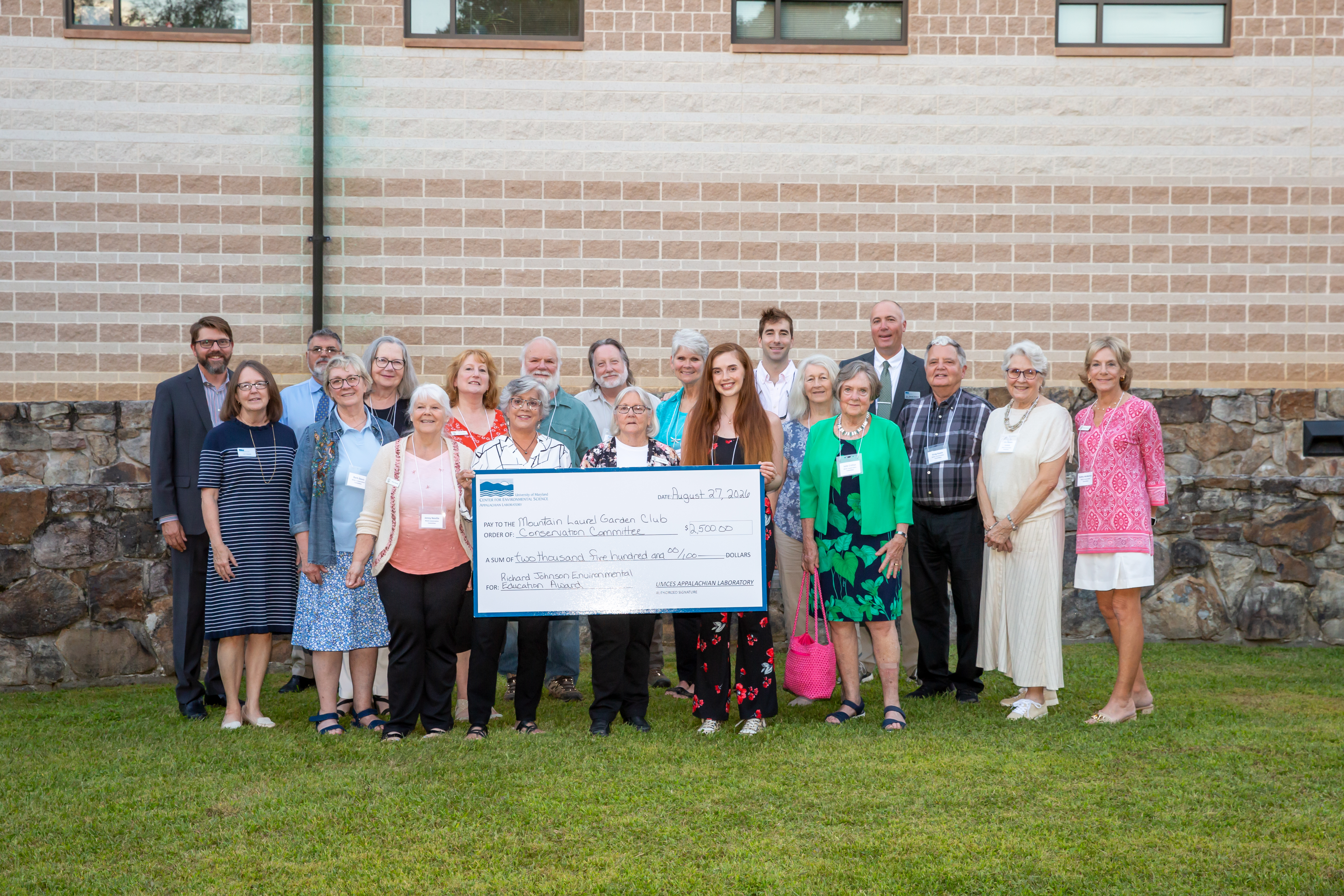
The Appalachian Laboratory of the University of Maryland Center for Environmental Science (UMCES) recently presented the Conservation Committee of the Mountain Laurel Garden Club (MLGC) with the 2026 Richard A.…
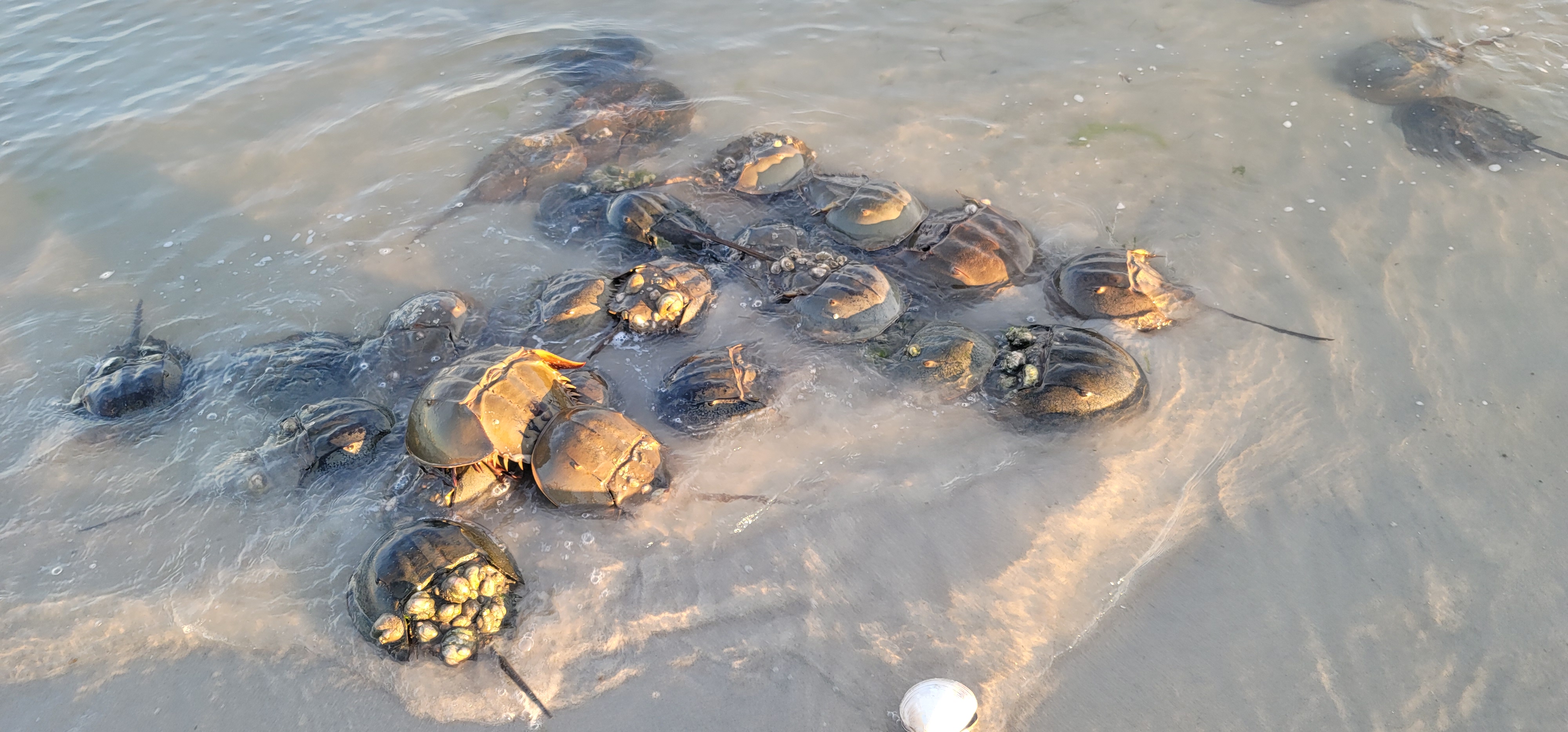
For one UMCES graduate student, studying a species like horseshoe crabs goes hand in hand with telling their story.
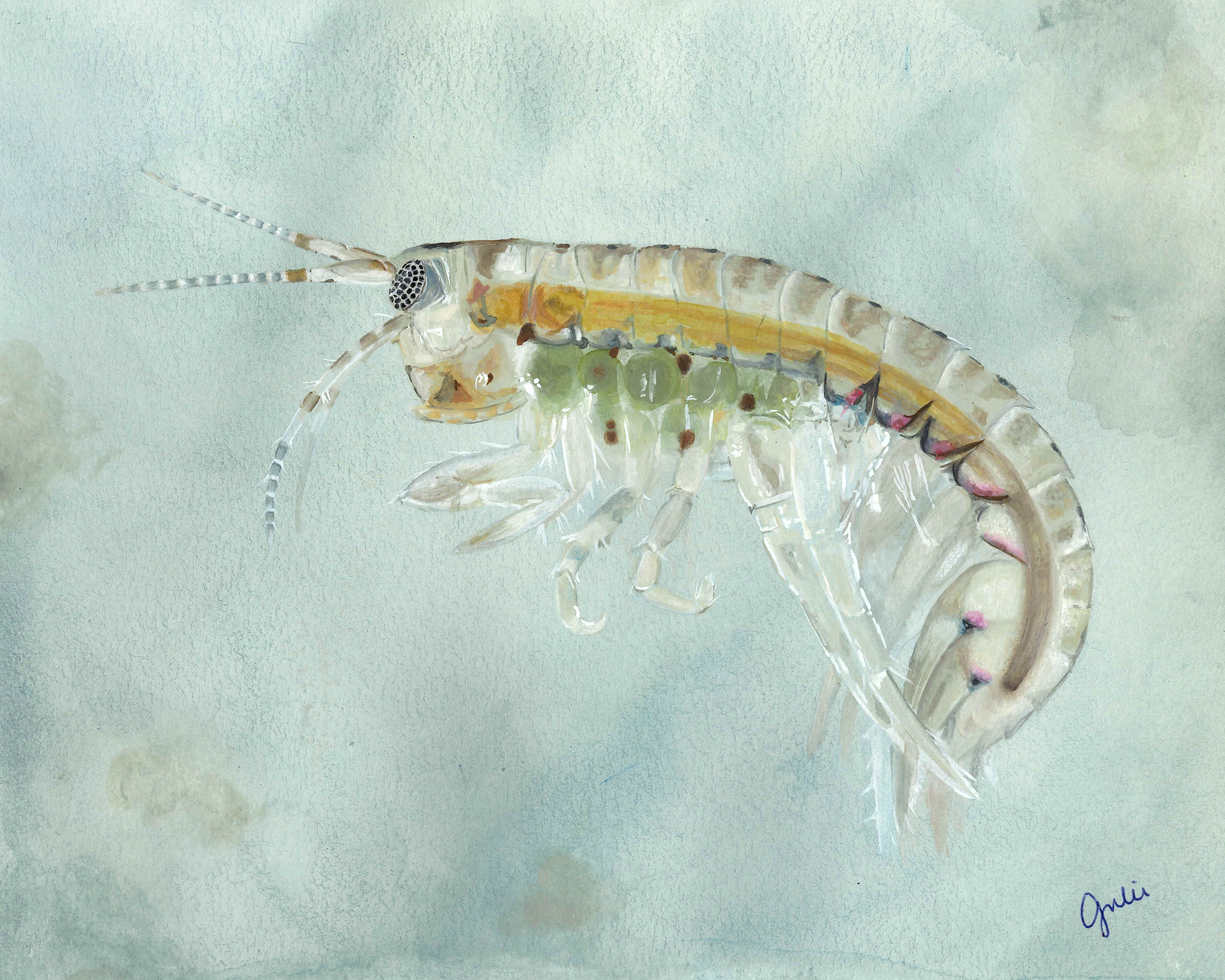
Through a variety of approaches, UMCES researchers are teaming up with visual artists to deepen people’s connection to science and the Bay.